

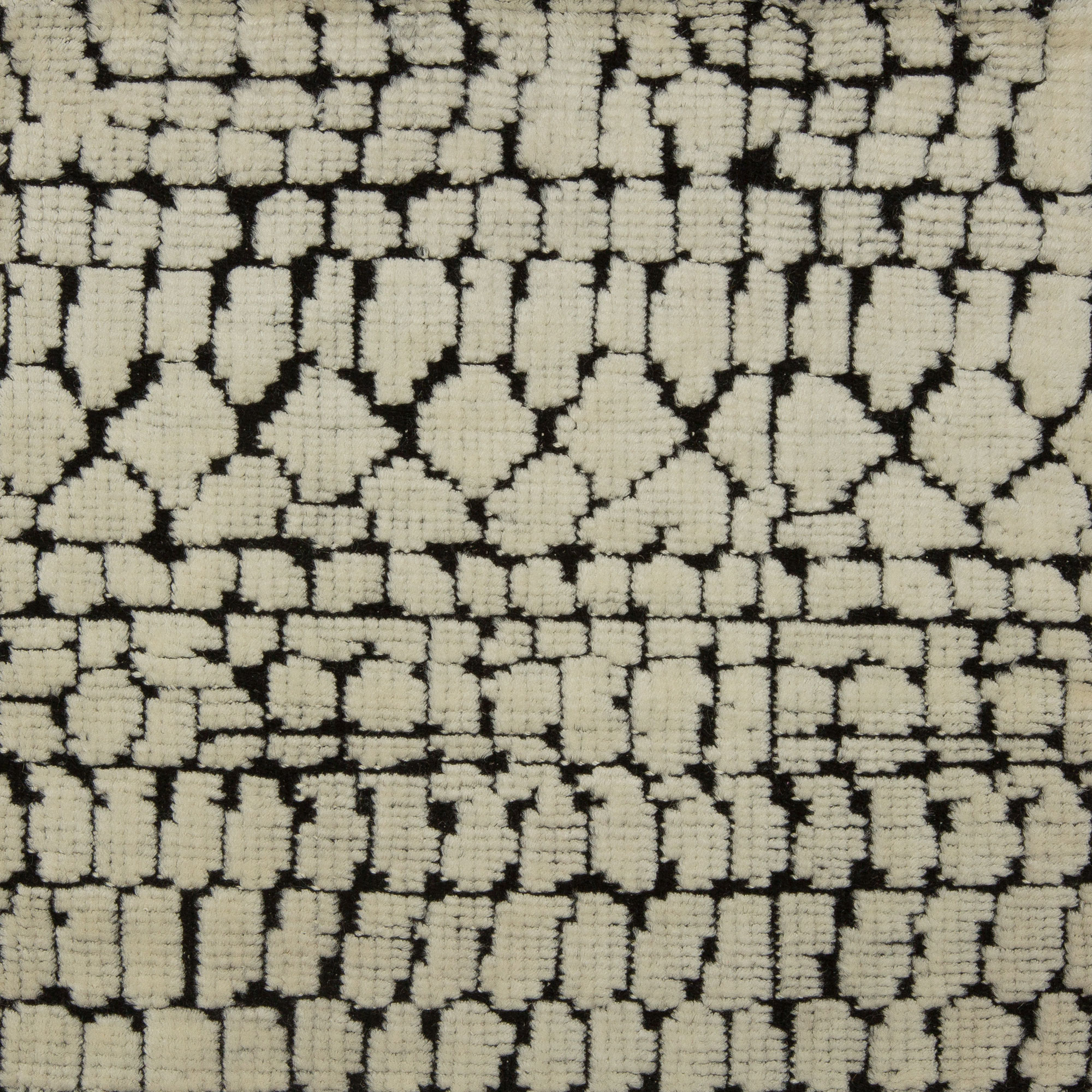
Ornament is back, but not in the heavy-handed way many people remember from older formal interiors. Today’s custom rugs are bringing pattern forward with more discipline: clearer borders, better-resolved motifs, quieter palettes, and a sharper understanding of how a room actually functions. That shift matters because a rug is no longer just a floor covering; it is often the largest decorative plane in the room and the one most capable of anchoring scale, circulation, and mood at once.
What makes the return of ornament feel current is that designers are using it with intention. Instead of saturating every surface, they are choosing one highly considered textile to do the visual work a room needs, then letting the architecture and furnishings breathe around it. In that context, floral rugs, framed medallions, and bordered compositions are not nostalgic indulgences; they are tools for ordering a space. The result is more disciplined than maximalism, but warmer and more personal than strict minimalism.
Why ornament is returning in a more disciplined form
For several years, many interiors leaned into quiet fields, low-contrast textures, and nearly invisible pattern. That approach still has value, especially in rooms that need calm, but it can flatten a space when the architecture is plain or the furnishings are simple. Ornament is returning because it restores hierarchy: a border can define edges, a motif can establish rhythm, and a palette can connect the floor to the rest of the room without shouting. In custom rugs, this is especially effective because scale, coloration, and motif density can be tuned to the room rather than forced to conform to a standard stock size.
The disciplined version of ornament also reflects how people live now. Open-plan homes need visual zoning, and a rug with a confident perimeter can quietly separate dining from lounging without adding physical barriers. Rooms with fewer built-ins often benefit from decorative structure because it gives the eye a place to land. Even in restrained interiors, a well-drawn border or a softened floral field can supply the kind of visual punctuation that makes a room feel finished rather than merely furnished.
Material choice plays a major role here. A hand-knotted wool rug with a precise border can feel grounded and practical, while touches of silk or viscose can sharpen the pattern and catch light in a more formal setting. Pile height matters as well: lower pile often suits ornament because edges and linework read more cleanly, especially in rooms with plenty of daylight. When the construction is right, ornament does not feel fussy; it feels legible.
How borders and motifs frame a room
Bordered rugs are useful because they behave almost like architectural trim. They can outline seating groups, echo baseboards or ceiling moldings, and create a visual pause between furniture and wall. In a long living room, a border can help correct awkward proportions by making the floor read more intentionally proportioned. In a square room, the same border can subtly calm the composition by giving the eye a perimeter to follow.
Motifs do similar work, but at a different scale. A floral center, for example, can soften a room with angular furnishings, while a geometric meander or vine pattern can add rhythm to a space that otherwise feels too static. This is one reason floral rugs remain relevant: they are not simply decorative, they are adaptable. A smaller-scale floral design can act almost like texture from a distance, while a larger, more open pattern can become a focal point beneath a simple sofa or dining table.
Placement is crucial. If the rug is too small, the border looks accidental and the motif loses authority. If the rug is properly sized, the border can frame the furniture group in a way that makes the room feel curated rather than assembled. This is where proportion and craftsmanship intersect, and where a thoughtful custom rug design process becomes especially valuable: the pattern can be adjusted to suit the room’s dimensions, sightlines, and furniture layout instead of being compressed into a standard format.
Useful ways borders support specific layouts
- In a seating area, a border can define the edge of the composition without requiring every leg of every chair to sit on the rug.
- In a dining room, a border can visually contain the table and chairs while leaving enough quiet field in the center for the room to feel balanced.
- In a hallway or gallery-like space, a border can elongate the sightline and prevent the floor from feeling monotonous.
Which rooms can handle richer decoration
Richer ornament works best where the room has enough visual or architectural support to hold it. Formal living rooms are an obvious candidate, especially when they contain substantial upholstery, case goods, or paneling. Dining rooms are equally strong settings because a table gives the rug a defined center, and decorative pattern can reinforce the sense of occasion. Libraries, studies, and media rooms can also support ornament well, particularly when the furniture is more tailored and the lighting is controlled.
Bedrooms are often underestimated in this discussion. Because the bed already provides a strong horizontal anchor, the floor can handle a more expressive pattern beneath it, especially if the rest of the room is quiet. A bordered rug under the bed can frame the sleeping zone and make the room feel composed without overwhelming it. If the bedroom has limited sunlight, a rug with clearer motif definition may read better than one that relies entirely on subtle tonal variation.
By contrast, rooms with a lot of visual noise need more caution. A kitchen-adjacent family room with multiple finishes, open shelving, and active circulation may struggle with a rug that is too ornate or too contrast-heavy. That does not mean ornament is off limits; it means the design needs to be edited. In these rooms, a softened pattern, a restrained border, or a palette pulled from the architecture can keep the rug decorative without making the room feel overworked.
Commercial and hospitality interiors can also benefit from this trend, particularly where a space needs personality and wayfinding. Ornament can help separate lounge clusters, define waiting areas, or give a lobby more memorability. In those settings, durability and maintenance become part of the aesthetic decision. A rug that looks intricate but is built with the wrong fiber or pile structure will not hold up well under heavy use, so specification matters as much as design.
Balancing ornament with furniture
The most successful decorative rugs do not compete with furniture; they set the terms for it. If the upholstery is heavily patterned, the rug should usually be more controlled in color or motif scale. If the sofa and chairs are plain, the rug can carry more of the room’s decorative load. This balance is not about avoiding richness. It is about distributing it so that the room feels layered rather than crowded.
Consider a living room with a clean-lined sofa, walnut tables, and a single sculptural chair. A bordered rug with a quiet floral field could provide enough ornament to keep the room from feeling bare, while the furniture remains calm. In a different room, perhaps one with a tufted settee, antique side chairs, and brass lighting, the rug might need a more open ground and a less assertive edge. The goal in both cases is to let one element lead while the others support.
Color temperature should also guide the decision. Warm palettes can soften dense pattern, especially in rooms with wood furniture and afternoon light. Cooler palettes often sharpen ornament and make borders read more clearly, which can be helpful in contemporary spaces with stone, lacquer, or polished metal. If the room already contains strong contrasts, the rug should be edited to avoid visual fragmentation. A decorative floor covering works best when it stabilizes the room, not when it pulls the eye in five directions at once.
Acoustics, surprisingly, matter too. Ornament tends to read better in rooms that need softness, because a handmade textile can visually and physically absorb some of the severity of hard surfaces. In open-plan homes with stone floors or large panes of glass, a well-constructed rug adds both texture and perceptual warmth. That tactile quality is part of why handcrafted rugs continue to matter: pattern is not just seen, it is felt.
What to ask before choosing a decorative rug
Before selecting a rug with richer pattern, it helps to define the room’s most urgent need. Does the space need definition, warmth, proportion, or a focal point? A border can solve edge confusion, while a motif-rich field may address emptiness or lack of rhythm. If the room is already busy, the better move may be a restrained ornament that works at close range rather than a high-contrast design visible from across the house.
It is also worth thinking about use. Family rooms, entries, and dining spaces need stronger construction and fibers that tolerate traffic, spills, and frequent vacuuming. Wool is often a practical foundation because it offers resilience, structure, and a rich hand; silk or silk accents can be introduced where visual refinement matters more than durability alone. Pile height should be chosen with furniture and maintenance in mind, especially if the rug will sit under doors or swivel chairs.
Size remains one of the most common mistakes. A decorative rug that is too small can make a room look disconnected, no matter how beautiful the pattern is. A properly scaled rug gives ornament room to read, which is especially important for bordered rugs because the frame needs enough margin to feel deliberate. This is where the custom approach pays off: the design can be proportioned to the architecture, not just the available inventory.
A realistic example of ornament used well
Imagine a downtown apartment with generous windows, pale walls, and minimal upholstery. The room feels bright but slightly unfinished, and the owners want warmth without sliding into formality. A custom-made rug with a narrow border, a softly scaled floral field, and a muted palette drawn from the wood tones in the furniture could solve several problems at once. It would define the seating area, introduce pattern without visual clutter, and make the room feel more intentional when viewed from the entry.
In that example, the rug is not acting as decoration for decoration’s sake. It is correcting proportion, supporting furniture placement, and adding a tactile layer that the room otherwise lacks. If the same room received an oversized, high-contrast floral with a heavy border, the effect would likely become rigid. If it received a near-solid rug, the space might remain pleasant but incomplete. The right answer sits in the middle, where ornament is edited to the room rather than imposed upon it.
Ornament today is about control, not excess
The return of ornament on rugs does not signal a return to cluttered interiors. It signals a more mature way of using pattern: with scale, with restraint, and with an understanding of how architecture and furnishings interact. Borders, florals, and other decorative devices are useful because they can solve practical design problems while also giving a room identity. In that sense, ornament is not simply fashionable again; it is useful again.
For homeowners and designers who want interiors that feel distinctive without becoming overdesigned, custom rugs offer the most precise way to work with this trend. They allow pattern to be adjusted for a specific room, a specific light condition, and a specific furniture plan. That level of control is what keeps decoration from feeling dated. When executed well, ornament looks considered, not theatrical.
If you are weighing a richer pattern for a living room, dining room, study, or bedroom, Doris Leslie Blau can help you think through scale, materials, and construction with the level of attention the room deserves. A well-chosen rug should not merely match the furniture; it should clarify the room’s structure and support the way it is lived in.
FAQ
Is ornament making a comeback?
Yes, but in a more edited form than in the past. Today’s decorative rugs tend to emphasize better proportion, cleaner borders, and more controlled palettes, which makes them easier to use in contemporary interiors. The trend is less about excess and more about giving a room structure and character through pattern.
How do I keep decorative rugs from feeling old-fashioned?
Focus on scale, color, and placement. A fresh decorative rug usually has a more considered palette, a clearer relationship to the furniture, and a pattern density that suits the room’s light and layout. Pairing ornament with simple upholstery or modern case goods also helps prevent the room from reading as overly traditional.
Where does ornament work best?
It often works best in rooms with a defined purpose, such as living rooms, dining rooms, studies, and bedrooms. These spaces can support stronger pattern because the furniture arrangement gives the rug a clear job to do. Ornament can also work in open-plan interiors when it is used to zone a specific area and reinforce proportion.
Are bordered rugs only for formal interiors?
No. Bordered rugs are useful in both formal and relaxed spaces because they help organize the floor plane. The formal or casual effect depends on the materials, colors, and motif style. A narrow border in a subdued palette can feel crisp and modern, while a more elaborate frame reads as traditional or ceremonial.
For a decorative rug to feel right today, it should do more than look beautiful at a glance. It should answer the room’s scale, support the furniture, and bring pattern into the composition with purpose. If you are exploring custom rugs for a project and want guidance on ornament, proportion, or material selection, Doris Leslie Blau can help you shape a direction that feels precise, personal, and appropriate to the space.