

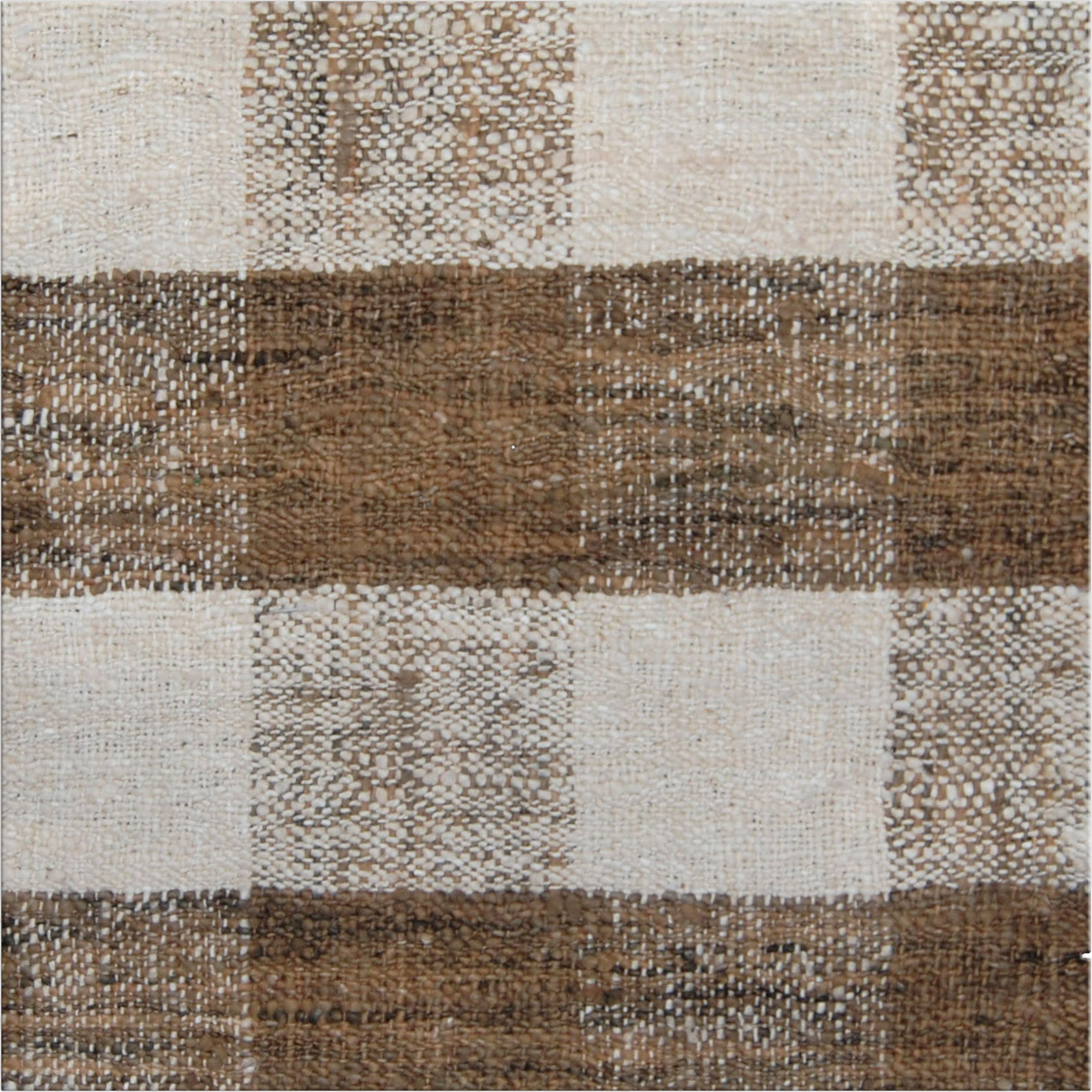
In premium residential and hospitality interiors, rotating floor coverings to reflect seasonal shifts elevates both style and durability. By deliberately swapping out heavy pile pieces for lightweight weaves in summer and reintroducing thicker textures in winter, you can manage wear patterns, optimize comfort, and maintain color fidelity. This process requires thoughtful planning—assessing rug materials, understanding traffic zones, and integrating storage solutions that shield fibers from pests, moisture, and UV damage. We will explore how to choose the right seasonal palettes and textures, implement safe storage practices, and conduct thorough inspections and cleanings before redeployment. With a strategic rotation schedule, you not only refresh the visual narrative of a space but also extend the life expectancy of each tailored design element. Designers and homeowners can then achieve sustained performance and bespoke style harmony year-round.
Why Rotate Custom Rugs Throughout the Year?
High-traffic areas in luxury homes often bear the brunt of seasonal activity—muddy boots in spring, sandy feet in summer, and salt-stained shoes in winter. Rotating custom area rugs on a quarterly schedule helps distribute wear evenly across multiple surfaces rather than concentrating abrasion on a single piece. This deliberate practice also mitigates the cumulative effects of UV fading on natural dyes and minimizes pile crushing in high-density wool rugs. In colder months, high-pile Persian-inspired wool rugs deliver insulation and warmth underfoot, while lightweight linen or jute flatweaves ensure breathability during the humid summer season. Strategically alternating these pieces ensures that each rug retains optimal structural integrity, knot density, and hand feel, ultimately preserving the artisan craftsmanship for years to come.
Beyond material considerations, seasonal rotation enhances design versatility and visual interest in bespoke floorscapes. A heftier hand-knotted rug with jewel-toned accents can anchor an autumn living room, accentuating matte metallic finishes and deep leather furnishings. In contrast, a low-pile silk blend with a crisp neutral palette fosters a breezy ambiance when paired with eucalyptus and linen drapery in warmer months. By rotating with intention, designers can introduce new focal points, underscore furniture placement adjustments, and respond to evolving light levels throughout the year. This approach creates an ever-evolving design dialogue, allowing each custom rug to contribute uniquely to the overall scheme without succumbing prematurely to traffic-related fatigue.
Choosing Seasonal Color and Texture Variations
Selecting the right rug for each season hinges on both hue and texture. For winter installations, dense hand-tufted wool with a medium or high pile height (10–12 millimeters) provides insulation and tactile warmth. Deep greens, oxblood reds, and indigo blues work well against rich wood paneling or textured plaster walls, creating a cocoon-like effect in living spaces. During spring and summer, shift toward low-pile, flatwoven constructions in cool greys, pale blues, or botanical greens to evoke an open, airy feel. Sisal and hemp fibers with minimal pile resist moisture and dry quickly after routine cleanings, making them ideal for homes with open windows or pool-adjacent patios. Integrating seasonal palettes in this way underscores a dynamic yet cohesive flooring narrative.
Texture variation also plays a critical role in seasonal comfort. Velvet-like viscose accents deliver reflective lustre in transitional periods, while silk-blend highlights can enhance pattern definition and catch natural light during the brighter months. Conversely, peaked wool pile or Moroccan-style knotting can ground interiors when daylight hours shrink. For custom-made rugs, work with artisans to specify pile height gradations, dye blends, and pattern repeats that align with each season’s aesthetic. A midweight rug designed with a reversible or mutli-document weave offers additional flexibility—flip or rotate the rug to emphasize different facets of the pattern, extending the feeling of novelty without additional purchases.
Safe Storage Tips to Preserve Pile and Weave
Proper storage is the backbone of an effective rotation strategy. Before rolling, conduct a thorough cleaning to remove abrasive particulates, then allow the rug to dry completely in a well-ventilated area to prevent mold growth. Roll the piece pile-side inward around a rigid core, ensuring even tension to avoid creases. Wrap the outer layer in acid-free tissue paper or unbleached cotton sheeting, which breathes while blocking dust. Store rugs horizontally in a climate-controlled environment, ideally between 50–70°F and at 50% relative humidity. Elevated shelving or custom-built racks discourage pest invasion and protect edges from being crushed under stacked weight. These specialized storage solutions not only curb fiber degradation but also make retrieval seamless when it’s time to swap rugs between rooms or seasons.
For large or particularly ornate pieces, consider professional storage facilities with integrated climate-control and pest-monitoring systems. These units often include periodic inspections and vacuum-free slip covers to preserve fringe integrity. In residential garages or basements, invest in rodent-repellent cedar planks and place silica gel packets around rolled rugs to manage moisture fluctuations. If you’re specifying custom rug design with your interior team, inquire about manufacturer-recommended storage kits that align with the material composition and dye type of each piece. This level of detail ensures that your made-to-order rugs remain in showroom condition, ready for a flawless reinstallation.
Reintroducing Stored Rugs: Inspection and Cleaning
Before returning a stored rug to active duty, perform a meticulous inspection. Unroll on a flat, clean surface and check for signs of moth larvae, discoloration, or frayed edges. Use a soft, low-suction vacuum with an upholstery attachment to remove any residual dust, working with the pile direction to avoid accidental fiber breakage. For wool rugs, apply a pH-neutral, enzyme-free cleaning solution to spot-treat stains, then rinse with deionized water to prevent mineral residue. Silk-blend or viscose accents may require dry-cleaning methods or professional steam cleaning to preserve sheen. Always test any cleaning agent on an inconspicuous section first, and refrain from aggressive scrubbing that could distort pattern repeats or twist yarn bundles.
Once the rug is fully cleaned and dried, allow it to acclimate to room temperature and humidity for at least 24 hours before permanent placement. During this period, gently realign pile direction using a soft-bristle brush to restore the original hand feel and sheen. Document each rotation in a maintenance log—note ambient humidity, date of reinstallation, and cleaning products used—to track performance over time. This data-driven approach helps anticipate when future professional deep-cleaning or restoration services might be necessary. Ultimately, combining careful inspection with precise cleaning protocols makes seasonal rotation a sustainable practice that safeguards both aesthetic intention and long-term value.
FAQ
How many rugs do I need for seasonal rotation?
Determining the number of rugs for your rotation plan depends on room sizes, layout flexibility, and traffic patterns. Typically, a minimum of two to three rugs per high-traffic zone allows for quarterly interchange: one heavyweight wool piece for autumn and winter, a midweight transitional blend for spring, and a low-pile, breathable weave for summer. For larger or multiple connected spaces, you may require additional rugs to maintain design cohesion across adjoining rooms. Prioritize investing in quality hand-knotted or hand-tufted custom-made rugs that can be engineered for different pile heights and materials, ensuring each piece performs optimally in its designated season. This strategic variety also provides redundancy—should one rug need professional repair or cleaning, another is immediately available to uphold interior flow and comfort.
What’s the best way to store wool rugs long-term?
Wool fibers thrive in stable environmental conditions; fluctuations can cause felting or accelerated wear. The ideal storage setting is a climate-controlled unit kept between 50°F and 70°F with 45–55% relative humidity. Clean and dry each rug fully, then roll pile-side inward around a durable core. Wrap in unbleached cotton sheeting or acid-free tissue to promote breathability while reducing dust infiltration. Avoid plastic wraps that trap moisture and can encourage mildew. Elevate rolled rugs on shelving to prevent infestation and designate clear labeling to indicate weave type, origin, and dye composition. Periodically inspect stored rugs every six months—rotate them slightly on shelving and replace any desiccant packets to maintain optimal moisture levels.
How to clean and refresh a rug after months in storage?
Refreshing a rug after extended storage entails a gentle, methodical process. Begin by unrolling it in a sheltered, well-ventilated area. Vacuum along the pile direction with a low-suction, brushless attachment to remove residual dust. For spot cleaning, use a pH-neutral detergent mixed with deionized water and dab carefully with a white cotton cloth. Rinse thoroughly with a clean damp cloth and allow the rug to dry flat away from direct sunlight or heat sources. If a deeper clean is required, enlist professionals who specialize in custom luxury rugs and understand the nuances of natural fiber care. Finally, realign the pile with a soft-bristle brush and let the rug acclimate in the target room for at least 24 hours before regular use.
For tailored guidance on planning your seasonal rotations and preserving the beauty of your custom rugs, schedule a specialist consultation with our design team.