

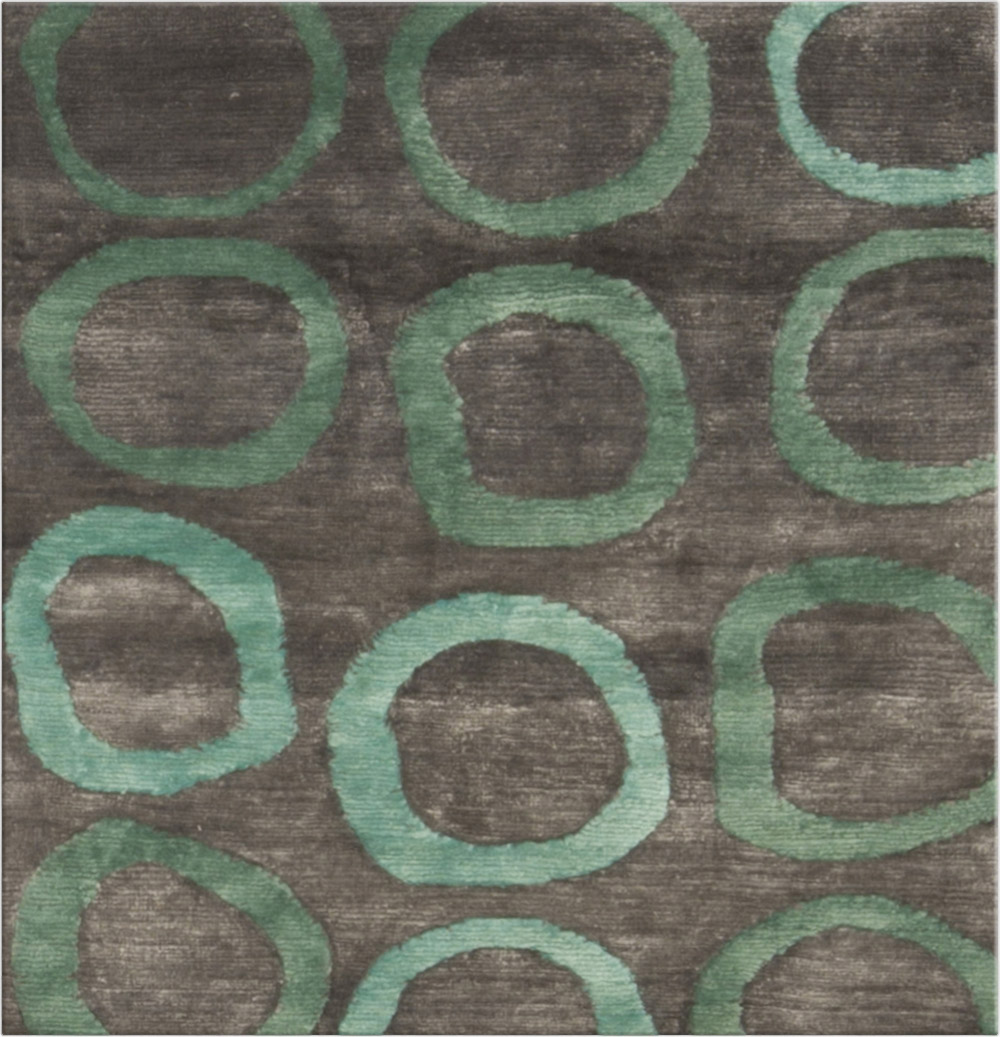
Quiet luxury rugs work best when restraint is paired with nuance: the surface should feel composed, not blank, and the color should read layered rather than washed out. For designers and homeowners specifying custom rugs for calm interiors, the challenge is not finding a neutral—it is choosing a rug that holds a room together through texture, proportion, and subtle variation.
In a restrained interior, the rug often does more visual work than it first appears to. It sits beneath the furniture, under the main traffic path, and inside the long sightlines that connect adjacent rooms, which means it has to behave like architecture rather than ornament. A rug that is too flat can make the whole composition feel unfinished, while one with too much contrast can break the calm that quiet luxury depends on. The goal is to create depth without obvious pattern, and presence without visual noise.
Define what quiet luxury means in floor covering terms
Quiet luxury rugs are not simply neutral rugs in pale shades. In floor covering terms, quiet luxury means controlled color, disciplined pattern, and enough tactile interest to reward close viewing. The rug should support the room’s materials—oak, travertine, limestone, plaster, bronze, and linen—without competing with them. A successful piece often looks understated from across the room but reveals more when you stand over it: a subtle abrash, a soft shift in pile direction, or a woven structure that catches light differently across the field.
This is where scale matters. A neutral rug in the wrong size can feel generic even if the material is excellent, because proportion is part of its design language. In an open-plan living area, a small rug can make the room feel fragmented, while an oversized rug can make the seating arrangement feel anchored and intentional. For quiet luxury, the floor covering should usually extend far enough that the furniture sits comfortably on it, with enough margin to avoid the “island in the middle” effect that makes a room look styled but not designed.
Color temperature also affects how restrained a rug feels. Warm greys, flax, oatmeal, putty, mushroom, and muted taupe tend to read more generous than stark white or icy stone tones, especially in rooms with natural wood or warm metal finishes. If the rug is meant to disappear too much, the interior can lose depth; if it is too clean and bright, it can feel antiseptic. The best quiet luxury rugs often sit in that middle register where light can move across the surface without flattening the field.
Use texture, pile, and subtle contrast to add depth
Texture is the most reliable way to keep a calm rug from looking lifeless. A high-low surface, a finely sculpted loop, a cut-pile abrash, or a hand-knotted field with faint striation can create dimension without introducing overt pattern. Even when the color story is restrained, the eye still reads shadow, reflection, and relief, which is enough to make the rug feel finished. In interiors with little ornament, that tactile complexity matters because it gives the room something to absorb and reflect light.
Pile height should be chosen with the whole room in mind, not as an abstract preference. A lower pile can sharpen the lines of a contemporary seating arrangement and works well when the room already has plenty of softness from upholstery and drapery. A slightly plusher pile, by contrast, can deepen the sense of comfort in a quieter room, but it must be controlled so the rug does not begin to look fuzzy or vague at the edges. For warm minimalist rugs, the sweet spot is often a pile that feels substantial underfoot but still reads crisply along the border and furniture line.
Subtle contrast can come from construction rather than color. A tone-on-tone border, a nearly imperceptible change in weave density, or a field that shifts gently from one direction to another can keep the rug visually alive. This is especially effective in custom rugs, because the design can be adjusted to the architecture: a wider border in a long room, a softened perimeter in a square sitting area, or a centered field that respects a fireplace axis. When contrast is embedded in the structure, the rug looks considered rather than decorated.
Material choice makes the difference between “softly layered” and simply dull. Wool offers resilient depth and a matte surface that suits quiet interiors, while silk or silk-blend accents can add a measured sheen without turning the rug glossy. Hand-knotted construction often gives the most control over tonal movement and edge definition, especially when the design relies on nuance instead of bold motif. If the room receives strong daylight, it is worth remembering that sheen can become more visible across the day, so a sample should be viewed in both morning and late-afternoon light.
Show where tonal rugs can feel rich instead of plain
Tonal rugs are at their best when they are treated as layered surfaces, not blank backgrounds. A tonal rug in a high-quality wool or wool-silk blend can feel substantial if it contains enough internal variation: a mélange yarn, a hand-carded fiber, or a pattern that appears only when the light shifts. That quiet movement is what makes the piece feel expensive without announcing itself. In other words, tonal does not need to mean flat; it can mean disciplined.
One of the strongest uses for tonal rugs is in rooms where the architecture already does some of the visual work. A plaster-walled sitting room, for example, may not need additional pattern, but it does need a floor covering with enough depth to keep the furniture from floating. In that setting, a softly variegated neutral rug can echo the texture of the walls while grounding the arrangement. The room remains calm, yet it gains the layered look that prevents minimalism from becoming sterile.
Tonality also works well in spaces with mixed materials. Consider a living room with a walnut console, a travertine coffee table, a linen sofa, and bronze lighting. A rug that pulls from the warm undertones of those materials can unify them better than a high-contrast design would. If the fibers are matte and the weave is dense enough, the rug will read as rich and composed rather than tentative. This is one reason designers often specify tonal rugs for rooms that need cohesion more than focal drama.
For clients who want a quiet room to feel more tailored, custom rug design allows the tonal range to be calibrated to the furnishings rather than chosen from a broad retail palette. That can mean adjusting the warmth of the base color, increasing the amount of visible texture, or introducing a border that only becomes apparent from a certain angle. For a wider exploration of made-to-order possibilities, custom rug design can provide the flexibility needed to align the floor covering with the exact proportions and materials of the room.
Offer a palette strategy for wood, stone, and plaster interiors
Wood, stone, and plaster call for different neutral strategies because each material already carries its own temperature and visual weight. With wood floors or millwork, the rug should usually either soften the warmth or deepen it; matching too closely can make the composition feel muddy. A cool-beige or mineral-toned rug can clarify walnut and smoked oak, while a warmer oatmeal or sand tone can flatter lighter woods without looking repetitive. The right choice depends on whether the room needs contrast in temperature or continuity in tone.
Stone floors ask for a slightly different approach because they often have a denser, more reflective surface. On limestone or travertine, a rug benefits from a stronger tactile presence so it does not disappear into the floor plane. Soft pile variation, hand-knotting, or a quiet border can help the rug hold its own against the stone without introducing visual clutter. In these interiors, many designers prefer warm minimalist rugs that feel relaxed enough for everyday use but refined enough to stand beside architectural finishes.
Plaster interiors reward softness, but they also punish weak color choices. A rug that is too close to the wall tone can look unresolved, while one that is too bright can interrupt the room’s serenity. The best strategy is often to select a neutral with a slightly different undertone from the walls—more sand, less chalk; more mushroom, less grey; more flax, less ivory. That slight distinction gives the room contour and helps the rug appear intentional rather than default.
If the room combines all three materials—say, wood joinery, stone flooring, and plaster walls—the rug should be the element that ties the composition together. Think of it as the softest of the major surfaces, but not the weakest. A well-chosen neutral can bridge temperatures, absorb sound, and keep the room from feeling overdesigned. In a restrained interior, that balancing act is often what separates a good rug from a forgettable one.
Practical specifications that keep the look refined
Refinement depends on decisions that are easy to overlook. Edge treatment matters because a crisp border can make a simple rug look tailored, while an indistinct edge can make it feel unfinished. Knot density or weave tightness affects how clearly tonal shifts will read, and a denser construction often gives the surface more precision. Even the back-and-forth of a pile can change the room’s mood, since directional sheen can create quiet movement without introducing pattern.
Traffic level should also shape the specification. In a family living room or an open-plan kitchen-adjacent zone, a rug needs enough resilience to maintain its appearance after repeated use. Wool is often a strong choice here because it resists crushing better than many softer fibers, and a lower or medium pile can help preserve definition. In less-used rooms, a richer hand and slightly more delicate construction may be appropriate, especially if the aim is to create a softer, more contemplative atmosphere.
Lighting matters as much as fiber. Strong daylight can expose color variation, while dim evening lighting may compress the tonal range and make a rug look more uniform than it does in the day. That is why samples should be viewed in context with upholstery, flooring, and wall finishes. The best custom rugs are not selected by color alone; they are specified by how the material behaves in the room it will actually live in.
For designers managing a precise layout, a rug should also respond to furniture geometry. A rectangular room with a long sofa and two chairs might call for a field that visually extends the seating line, while a square room may benefit from a centered composition with a quieter perimeter. Those details are part of why serious buyers often consult a custom rug design specialist rather than trying to force a standard size to do architectural work it was never made for. When the dimensions are right, even the most restrained rug can feel bespoke and fully resolved.
When a quiet rug should still take the lead
A quiet rug can absolutely be a focal point, but the focal role should come from craftsmanship, not contrast. In a room with very little pattern, a finely detailed neutral rug may become the point that organizes everything else. That does not mean it should dominate; it means the eye settles on it because the surface is intelligent and the scale is exact. A rug with a nuanced weave, a sophisticated border, or a layered tonal field can lead the room without breaking its calm.
Imagine a seating area with pale linen upholstery, a low oak table, and stone side tables. A rug in a soft taupe with a subtle abrash and a slightly darker outer frame could give the room definition without adding visible pattern. The result is not dramatic in the usual sense, but it is memorable because the proportions are right and the materials speak in the same register. That is often the quiet luxury formula: not absence, but control.
FAQ
How do I keep a neutral rug from feeling dull?
Choose a neutral with internal variation rather than a single flat color. Tone-on-tone weaving, gentle abrash, a mixed fiber blend, or a textured pile will give the surface depth. Size matters too: if the rug is proportioned correctly to the room and furniture, it will feel deliberate instead of generic.
What textures read as refined rather than flat?
Hand-knotted surfaces, subtle high-low relief, finely looped construction, and dense wool with slight tonal movement tend to read as refined. The key is precision, not obvious ornament. A texture is successful when it changes under light rather than shouting from across the room.
Can a quiet rug still be a focal point?
Yes, if the focal quality comes from craftsmanship, scale, or proportion. A restrained rug can anchor the room visually when it has a tailored border, a nuanced weave, or a color that connects multiple materials. It becomes the center of gravity without becoming the loudest object in the space.
Are tonal rugs a good choice for open-plan rooms?
They often are, because open-plan interiors need visual continuity more than separate moments of emphasis. A tonal rug can bridge seating zones, soften acoustics, and support mixed finishes without fragmenting the plan. In larger spaces, however, the rug should still have enough texture or structure to avoid disappearing into the floor.
Quiet luxury does not require a muted rug that vanishes into the room; it requires one with enough depth to feel considered at every distance. If you are selecting custom rugs for a refined interior, the best next step is often a conversation about scale, material, and palette rather than pattern alone. Doris Leslie Blau can help you think through those details with the level of design guidance the room deserves.