

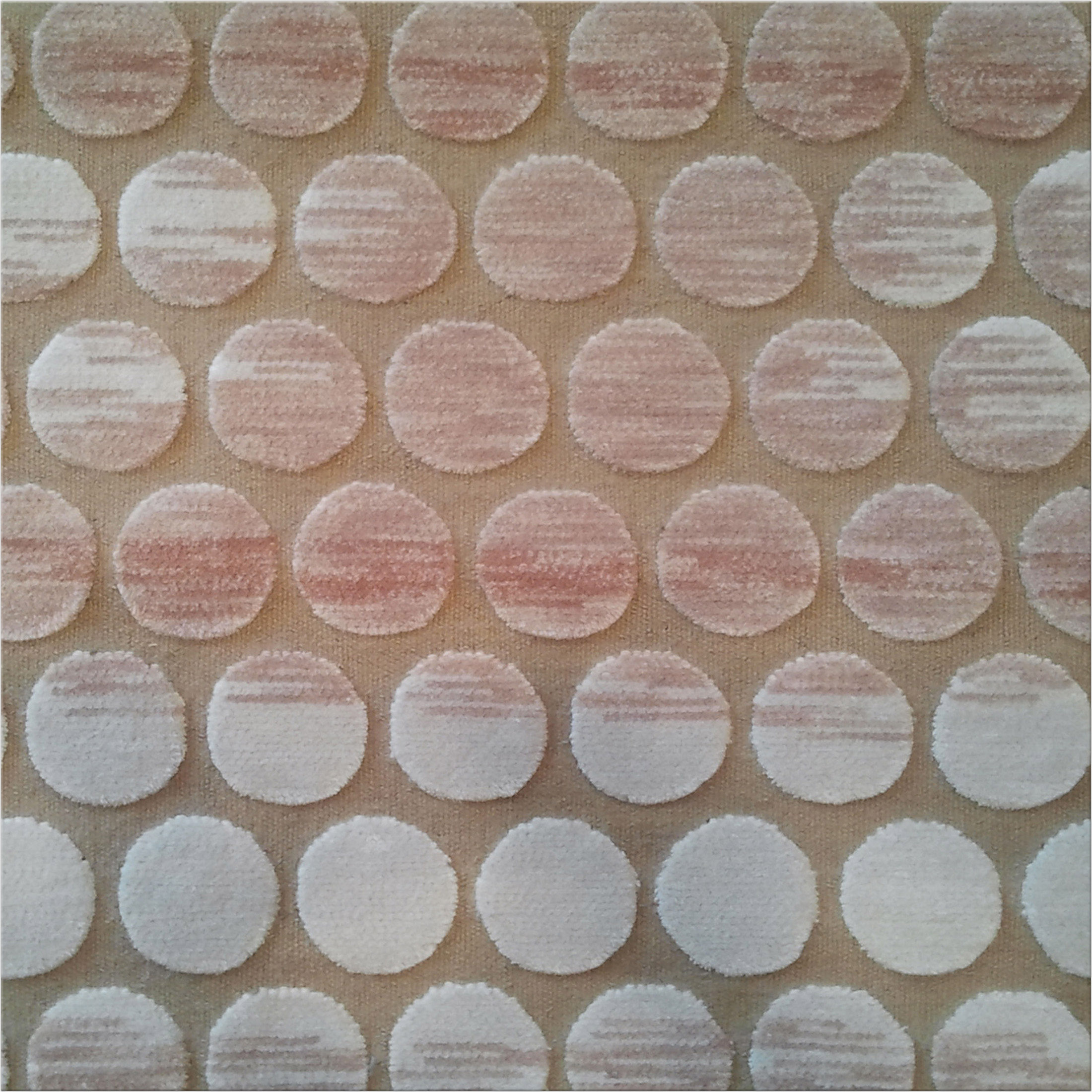
Private office rugs do more than soften a room underfoot. In executive offices, consulting suites, and client-facing workrooms, the right rug supports authority, improves rug acoustics, and helps the furniture plan feel deliberate rather than improvised. When the room has to carry both focus and conversation, custom rugs become a design tool for scale, restraint, and control.
A private office has a very different job from a living room or hotel lounge. It needs to support concentration, but it also has to read well in person and on camera, often with a desk, guest chairs, bookcases, and a meeting table sharing a limited footprint. That is why the most successful private office rugs are usually chosen with the architecture in mind first and the decorative finish second. The rug should anchor the room’s hierarchy, define the seating zone, and quiet the space without making it feel soft or informal. In a consulting setting, that balance matters as much as the color of the walls or the joinery grain.
Because these rooms often contain reflective surfaces—glass, lacquer, metal bases, stone tabletops, or polished wood—textile planning has real consequences. A well-specified rug can absorb some of the sharpness that otherwise bounces around during meetings and conference calls. It can also create visual order when the office has multiple purposes: one side for focused work, another for visitors, and perhaps a secondary seat by the window for quick conversations. Doris Leslie Blau often approaches these projects through proportion and texture rather than obvious ornament, which is why custom carpets are so effective in professional settings.
Place the rug to support the desk and seating hierarchy
The most common mistake in a private office is choosing a rug that looks nice in isolation but fails once the furniture is placed on it. In a room with a desk and two guest chairs, the rug should usually extend beyond the front legs of the seating so the conversation zone feels intentional. If there is a larger meeting table, the rug needs enough clearance to prevent chair legs from catching on the edge every time someone moves. Scale is not a decorative preference here; it is what determines whether the room feels composed or cramped.
For a principal office with a desk facing the door, think in terms of sightline and arrival. The rug should frame the desk without disappearing under it, and it should be large enough that the visitor’s chairs sit fully on the textile or at least comfortably within the field. A too-small rug makes the desk look oversized and the room look temporary, even when the furnishings are excellent. By contrast, a properly sized rug can make a modest room feel architectural, because it establishes a clear zone for conversation and keeps the eye from sliding into the corners. If you need help translating measurements into a practical format, a custom carpets commission allows the rug to be calibrated to the actual furniture plan rather than a standard size chart.
In elongated offices, a runner-like proportion may seem efficient, but it can weaken the authority of the room if the seating area is meant to function as a meeting point. A broader rectangle usually works better because it creates a stable visual base for the desk, chairs, and side table as one composition. In square rooms, the rug can be slightly centered off the desk axis if that helps align with a window bay, fireplace, or built-in storage wall. The goal is not mathematical symmetry for its own sake, but a hierarchy that feels easy to read when a client enters the room.
Choose materials that soften sound without looking casual
Material selection is where rug acoustics and visual tone come together. A dense wool rug often performs beautifully in offices because it has enough body to temper footfall and chair movement while still reading polished and professional. Hand-knotted construction can add stability and clarity to the pattern, which is useful when the room already contains a lot of straight lines from casework, desk edges, and millwork. If the office needs more refinement, a silk accent or subtle lustrous blend can introduce depth without making the room feel ornate.
Pile height matters as much as fiber. A very high pile may seem luxurious in a residential context, but it can impede rolling chair movement, trap debris, and look too relaxed for a consulting space. Lower-pile or medium-pile custom rugs are often more appropriate because they maintain a crisp profile under furniture and continue to look controlled after daily use. Flatweave can work in some design schemes, especially where the architecture is strong and the room already has visual warmth, but it will not absorb sound as much as a more substantial woven surface. For many executive environments, the right answer is a rug that feels tailored in both structure and touch.
Color affects acoustics only indirectly, but it does shape how softness is perceived. Deeper neutrals, muted earth tones, and layered charcoals tend to make a room feel quieter even when the underlying materials are quite resilient. That is useful in offices with a lot of screens, cabinetry, or daylight glare. Pattern density should also be considered with care: a finely scaled design can mask minor wear and small marks, while a large open motif may look cleaner and more architectural. The best choice depends on how formal the office needs to feel and how much visual interruption the surrounding finishes already create.
Coordinate with cabinetry and wall finishes
A private office is usually a room of relationships: the rug relates to the desk, the desk relates to the cabinetry, the cabinetry relates to the walls, and the walls determine how color is read in the light. If the millwork is dark walnut or stained oak, a rug with a slightly lighter ground can prevent the room from becoming heavy. If the architecture is pale and minimal, a richer textile may be needed to keep the space from feeling acoustically and visually thin. Custom rugs are especially useful here because the palette can be adjusted to the actual material story of the room rather than to a generic sample board.
Texture is often more effective than contrast in a serious office. A rug with subtle striation, abrash, or a quiet geometric field can echo the grain of cabinetry without mimicking it. That creates coherence without turning the room into a theme. When walls are paneled or heavily detailed, the rug should usually be calmer; when the room is spare, the rug can carry a little more pattern or tonal variation. Designers specifying hand-knotted rugs for executive spaces often look for this kind of disciplined interplay, because it allows the room to read as complete without feeling decorated in layers for their own sake.
Lighting temperature should also influence the palette. Warm LED light can flatten cooler grays and make blue-based neutrals appear more restrained, while daylight from an east- or west-facing window may intensify contrast across the rug surface. A good sample review should happen in the office itself, not only in the showroom, because the same rug can read formal, soft, or overly bright depending on the wall paint and the finish on the desk. In a room meant for important decisions, the rug should support clarity, not compete for attention.
Keep the room composed for video and in-person meetings
Modern private offices must perform in two modes at once: the physical meeting and the video call. A rug can help both if it is chosen with restraint. Too much contrast near the camera can distract from faces, while an overly busy motif can create visual noise during virtual meetings. The best private office rugs usually have enough pattern to conceal daily use, but not so much movement that they dominate the frame. For a room used by executives or consultants, composure is a design asset.
Camera placement and lighting should be considered alongside the rug. If the desk is frequently on camera, the textile visible behind or below it should look balanced from a seated height as well as from standing perspective. This is one reason many designers prefer custom area rugs with a centered, framed composition in offices: the rug creates a stable visual field that does not fight with bookshelves, art, or technology. The result is a room that feels thoughtful during a pitch, a legal consultation, a strategy review, or any other meeting where first impressions carry weight.
There is also a practical side to long-term upkeep. Offices gather tracked-in dust, chair movement marks, and occasional spills from coffee or water, so the rug should be chosen for resilience as well as appearance. A disciplined weave, good edge finishing, and an appropriate ground color can make daily maintenance easier without sacrificing refinement. If the office serves as a client-facing space, the rug should support that function for years, not just look good on installation day. That is where well-made custom rugs offer a clear advantage: they can be designed for the exact way the room will be used.
A realistic layout scenario for an executive office
Consider a consulting office with a 10-foot desk, two guest chairs, a low side cabinet, and a narrow meeting area by the window. A standard rug bought by size alone might leave the chair legs half off the edge and create a visual break between the desk and the seating area. A better solution would be a larger rectangle that extends beyond the conversation grouping and stops cleanly before the perimeter furniture. In that arrangement, the desk is clearly the focal point, but the rug still defines the meeting zone as a separate, deliberate room within the room.
If the office uses warm walnut, matte black hardware, and pale plaster walls, a rug in layered taupe, charcoal, or muted blue-gray can bridge all three without pulling attention away from the work being done there. A more expressive pattern might be appropriate if the room is otherwise extremely restrained, especially when the client wants the office to signal individuality and design literacy. What matters is that the rug feels calibrated to the room’s role. In a private office, understatement is rarely about absence; it is about precision.
For rooms that must serve both one-on-one conversations and small meetings, furniture spacing should be reviewed before the rug is finalized. The edge of the rug should not interfere with chair travel, and side tables should not feel stranded outside the field. When the layout is clear, the rug can make the entire office feel more settled, which often improves the tone of conversation more than people expect. That is one reason designers specify rugs so carefully in high-level workplaces: the right textile can make the room easier to use as well as easier to read.
How to specify the right custom rug for a private office
Good specification starts with use, not style. Before choosing color or pattern, determine whether the room is primarily a desk office, a client meeting room, or a hybrid space that needs to do both. Then measure the actual furniture footprint, not just the architectural room size, and account for door swings, chair movement, and the way light falls across the floor during the day. That process often reveals why standard sizing feels awkward in professional interiors and why made-to-order rugs are so useful in spaces where every inch matters.
The ideal office rug should be firm enough to support furniture, quiet enough to soften sound, and restrained enough to respect the room’s purpose. For some projects that means hand-knotted wool with a subtle tonal design; for others it may mean a more textural weave that feels tailored rather than decorative. Doris Leslie Blau works regularly with designers and homeowners who need that level of exactness, whether the goal is to ground a boardroom-style office or create a calmer consulting suite. If you are planning a workspace that has to look composed from every angle, specialist guidance can help the rug work with the room instead of simply filling the floor.
FAQ
What size rug works in an executive office?
The right size depends on the furniture arrangement, but the rug should usually extend beyond the desk and guest seating so the whole conversation zone feels unified. In many executive offices, a larger rectangle performs better than a small accent rug because it keeps the room visually grounded. The best measurement is the one that allows chairs to move comfortably without leaving the textile.
Do rugs help with sound in a private office?
Yes, especially when the room has hard surfaces like glass, stone, wood paneling, or metal finishes. A dense wool rug with suitable pile height can soften footfall, reduce chair noise, and take some of the sharpness out of speech reflections. For rooms used frequently for calls or meetings, rug acoustics should be part of the specification from the start.
Should the rug be formal or understated?
Most private offices benefit from understatement with enough depth to feel finished. The rug should reinforce authority and clarity rather than draw attention away from the people in the room. A restrained pattern, refined texture, or tonal variation usually works better than a highly decorative design unless the overall office is intentionally expressive.
For a private office that needs more than a standard floor covering, the most successful answer is usually a carefully scaled textile with the right material, tone, and structure. Doris Leslie Blau can help with design guidance for custom rugs that fit the room’s architecture, use, and atmosphere with precision.