

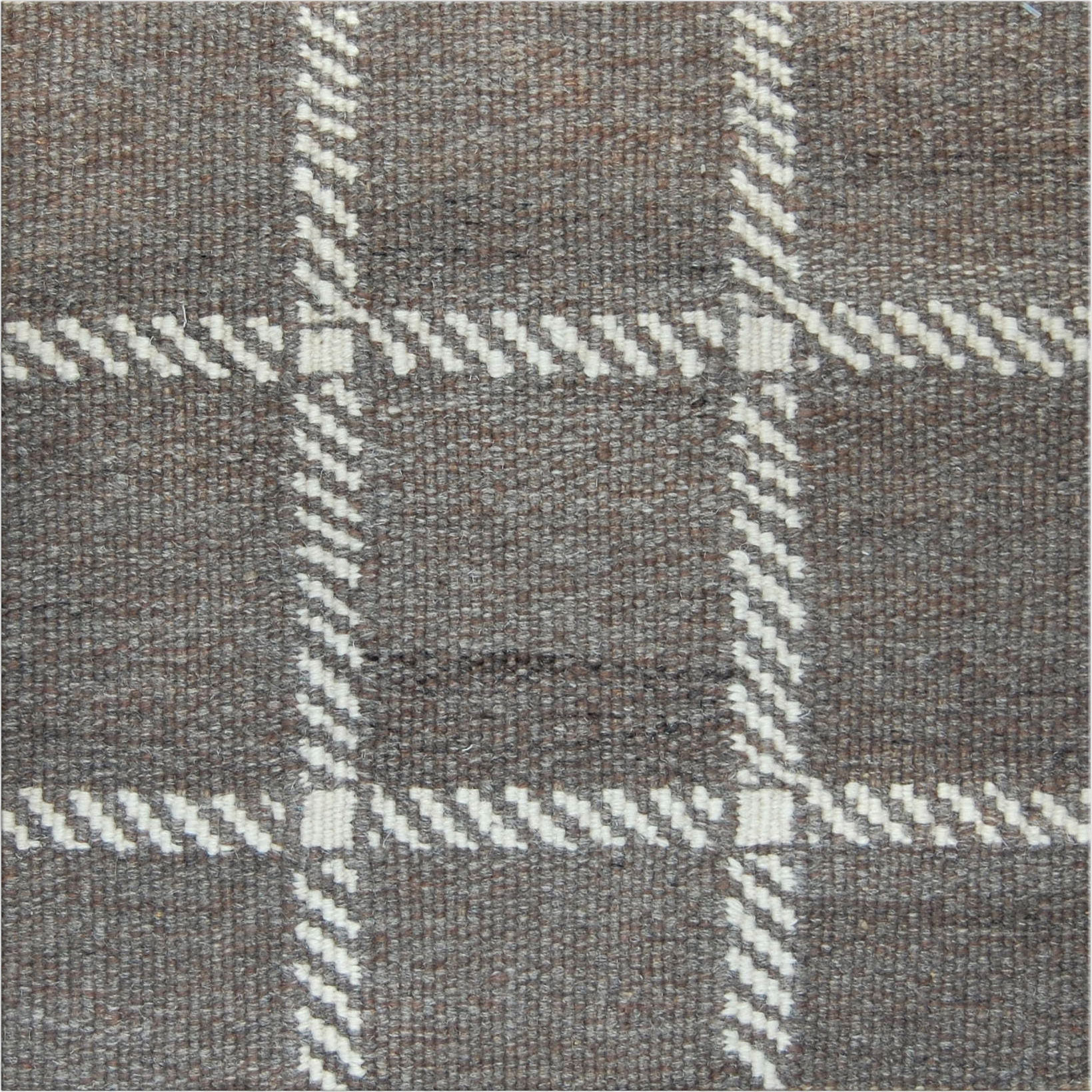
Pet ownership has evolved into a sophisticated lifestyle choice requiring equally refined home furnishings. When selecting floor coverings for households with animals, prioritizing durability, stain resistance, and ease of maintenance becomes essential. Unlike off-the-shelf options, a tailored approach allows you to specify premium fiber mixes, finishes, and backing materials that resist wear from claws and trapping of pet dander. By commissioning custom rugs designed explicitly for high-traffic, animal-friendly environments, homeowners can achieve both aesthetics and performance. This article explores how to choose fibers engineered for resilience, integrate stain guard technologies, and implement routine cleaning protocols that prolong lifespan. Whether you favor lush wool alternatives or high-tech synthetic rug materials, understanding fiber science and construction details ensures a successful investment. Learn how to transform your living spaces with pet-friendly custom rugs built to withstand daily use without sacrificing style.
Choosing Durable Fibers
Selecting the right fiber composition forms the foundation of pet-friendly flooring performance. Fibers such as high-tenacity nylon, solution-dyed polypropylene, and polyester blends deliver exceptional abrasion resistance and colorfastness. Solution-dyed synthetic yarns encapsulate pigment during extrusion, creating fibers inherently resistant to fading and wear from claws or friction. Meanwhile, advanced protective finishes like Teflon and stain guard treatments can be applied to both natural and man-made fiber constructions, creating an extra barrier against spills. When specifying for animal households, consider pile height and density; dense low-pile constructions resist snagging and hide pet hair effectively, while finer loop structures minimize catch points. In addition, backing materials with moisture barriers protect underlying flooring from accidents, making them indispensable for wet-prone zones. For a comprehensive selection of materials tailored to your design vision, explore our custom area rugs offerings.
Designing for Stain Resistance
Designing a rug for stain resistance begins long before color choices or pattern scale—fabric construction and finishing treatments play a pivotal role. Stain resistant carpets incorporate durable water repellents and hydrophobic finishes that repel liquids at the fiber level, prompting spills to bead up instead of seeping in. High-performance fluoropolymer-based protectants, commonly referred to as stain guards, create a molecular shield that inhibits absorption of oil-based and water-based stains alike. In custom applications, specifying a dual-layer backing system with built-in moisture barriers further ensures that any accidental bleed-through is contained at the surface. Patterned designs with medium-scale motifs not only conceal minor blemishes but also offer an opportunity to integrate pet-friendly color palettes, such as warm neutrals and heathered grays. Additionally, cut-and-loop pile constructions disrupt uniform surfaces, disguising wear patterns and matting from repeated pet traffic. Consulting with a flooring specialist will help you tailor these treatments to your space for maximum longevity.
Maintenance Routines for Pet Owners
An effective upkeep regimen is essential to preserve both appearance and performance of pet-friendly area rugs. Incorporating regular vacuum cycles, ideally using a high-efficiency particulate air (HEPA) filter attachment, removes dander, fine debris, and loose fur before they embed into fibers. Monthly deep cleaning with a low-moisture encapsulation powder or dry compound minimizes downtime and prevents over-wetting, which can encourage mildew growth beneath the pile. For spot emergencies, immediate blotting with a neutral-pH cleaner followed by an enzyme-based treatment dissolves protein-based stains such as urine or vomit without damaging fiber integrity. It is vital to follow manufacturer guidelines for heat and chemical resistance, particularly when using steam cleaners or concentrated solutions. Rotating rugs every three to six months promotes even wear distribution, extending service life. To further simplify maintenance, consider modular designs like rug tiles or protective top covers that can be periodically laundered. These routine strategies, combined with expert rug cleaning tips, keep bespoke rugs looking pristine.
Balancing Style with Function
Integrating pet-friendly features into interior design should not compromise aesthetic ambitions; on the contrary, bespoke options offer unparalleled creative latitude. When commissioning custom-made rugs, clients can specify unique shapes, border details, and color gradients that harmonize with upholstery and architectural elements. Low-contrast patterns in tonal palettes soften transitions between high-traffic areas and quiet zones while masking minor soil and pet hair. To maintain textural interest without sacrificing functionality, opt for transitional pile architectures—combining cut pile softness with looped structural integrity. Edges bound with durable cotton or synthetic blends prevent fraying, and anti-slip natural rubber backings ensure stability even during active play. For high-profile spaces, wool-silk blended rugs can be treated with protective coatings to deliver a luxe finish that remains resilient under paws. By collaborating closely with a design consultant, you can create a statement piece that withstands daily use and upholds sophisticated decor standards.
FAQ
Which rug materials repel pet hair?
Rugs constructed from tight loop synthetics such as nylon and solution-dyed polypropylene excel at shedding pet hair because their low-pile surfaces limit fiber entanglement. These synthetic rug materials resist static build-up and enable fur to sit atop the weave, making routine vacuuming more effective. In contrast, high-pile wool or shag designs can trap loose hair deep within their strands, complicating cleaning and increasing allergen retention. For optimal performance in pet-friendly homes, choose low-contrast, tight-weave constructions or explore indoor/outdoor compositions featuring stain and moisture-resistant finishes.
How do I remove pet stains from rugs?
Begin stain removal by immediately blotting excess moisture with a clean, absorbent cloth—avoiding rubbing, which can push dyes deeper into fibers. Apply a manufacturer-recommended, neutral-pH cleaner or an enzyme-based formulation designed specifically for biological stains; these agents break down proteins without compromising fiber structure. After treatment, rinse gently with lukewarm water and blot dry; excessive heat or aggressive scrubbing can distort pile and weaken stain resistant carpets or protective finishes. Follow up with professional deep cleaning at least annually to restore binding agents and maintain optimal performance.
Can pets damage customized area rugs?
While well-designed, pet-friendly rugs can withstand most everyday activities, untrimmed claws and vigorous digging behaviors may eventually cause minor abrasions or fiber snags. Custom area rugs with dense low-pile constructions and high-tensile fibers like nylon or polypropylene minimize these risks by resisting shearing forces and concealing scuff marks. Protective topcoats, applied either in factory settings or on-site, equip natural and synthetic fibers with an additional barrier against moisture, oils, and scratch-related distress. Regular upkeep, including prompt spot treatment and routine vacuuming, will further mitigate potential damage and prolong your investment’s lifespan.
Ready to bring bespoke, pet-proof elegance to your interiors? Contact our specialist team for a consultation and discover how a tailor-made solution can seamlessly blend style with lasting performance.