

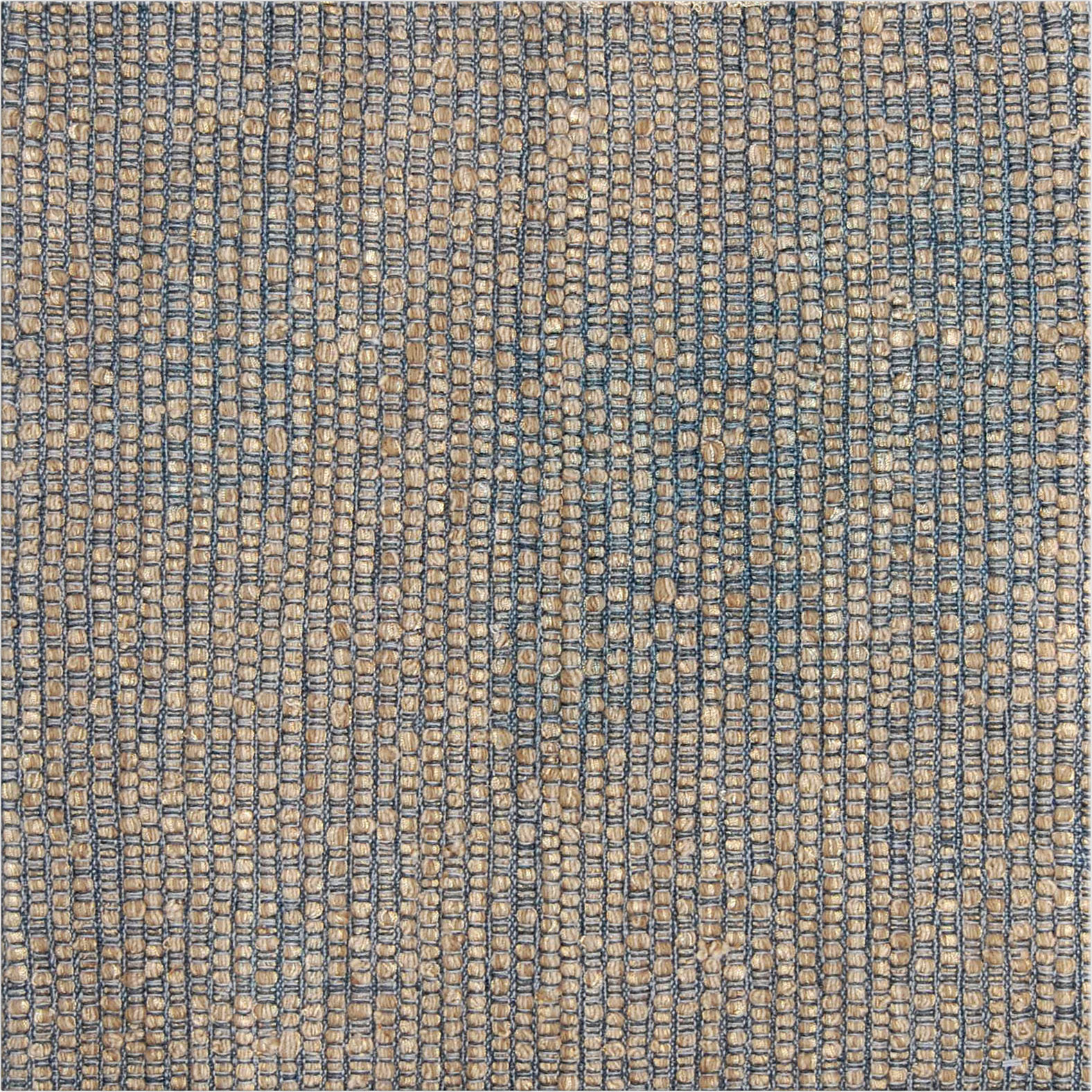
From the initial fiber selection to the final finishing touches, the journey of a custom-rugs creation is marked by precision, material expertise, and a commitment to lasting quality. At Doris Leslie Blau, our approach merges the rigor of architectural specification with the refined sensibility of interior artistry, ensuring every twist, knot, and dye lot aligns with the design vision. In this comprehensive exploration, we dissect the choice between wool and silk fibers, outline the distinctions between hand-knotting and hand-tufting methods, and reveal the rigorous quality-control checkpoints that guarantee chromatic fidelity and structural integrity. We also break down the typical lead times, collaboration milestones, and decision points that guide clients through each stage of commissioning bespoke floor coverings. By examining these artisanal weaving techniques and process parameters, interior designers and discerning clients will gain a clear roadmap for bringing a personalized floor piece to life.
Wool vs Silk: Material Decisions
Wool remains the cornerstone fiber for bespoke floor coverings due to its resilience, moisture-wicking performance, and exceptional dye absorption capabilities. When specifying custom rugs, our design consultants first evaluate the intended environment—high-traffic entry foyers demand a tightly spun New Zealand or Himalayan highland wool with a micron count around 26–28, providing enhanced twist retention and resistance to flattening. In contrast, a low-pile merino variant at 18–20 microns offers an ultra-soft hand suitable for intimate seating nooks, where enhanced color saturation and a lush tactile experience are paramount. Critical to this selection is the yarn’s ply count—2-ply weaves yield a semi-matte, textural effect, while 3-ply constructions introduce a subtle sheen and greater longevity. Throughout the specification phase, we collaborate on fiber testing protocols, including pilling assessments and abrasion resistance trials, to ensure the finished rug meets exacting performance benchmarks without compromising on aesthetic appeal.
Silk yarns introduce a luminous elegance and refined textural nuance to tailor-made floor pieces, making them an ideal choice for accent rugs, artistic medallions, and gallery installations. Depending on the design intent, we may source Tussah silk from wild-harvested cocoons in China for its warm honey undertones or opt for mulberry silk, which offers a brighter, cool-reflective finish. Silk’s tensile strength is lower than wool, so we often blend it at ratios of 25–40 percent with finer merino or qiviut fibers, balancing lustrous highlights against a resilient backing that withstands moderate foot traffic. Acid-dye techniques are calibrated per-batch to maintain colorfastness, using thorough crocking tests and light-exposure evaluations to prevent unwanted fading over time. The integration of silk also compels adjustments to knot density; on average, we aim for 100–120 knots per square inch in silk-infused areas to preserve the motif’s clarity while controlling production costs for truly custom-made rugs.
Hand-Knotting and Hand-Tufting Methods
Hand-knotting remains the pinnacle of artisanal rug making, a technique characterized by its time-intensive craftsmanship and capacity for intricate pattern definition. Each rug is constructed on a cotton or linen foundation, where we establish warp threads under precise tension before introducing weft rows. Artisans employ the Turkish (Ghiordes) or Persian (Senneh) knot, selecting knot types based on desired pile density and surface finish. Residential-grade projects typically range from 80 to 200 knots per square inch (KPSI), ensuring durability in hallways and living rooms, while museum-quality pieces can exceed 300 KPSI for ultra-fine pictorial details. During the hand-knotting process, design templates—often full-scale CAD drawings—guide the weaver, ensuring the integrity of geometric motifs, border alignments, and iconographic elements. This level of control allows us to deliver truly bespoke custom area rugs that meet the exacting standards of interior architects and conservators alike.
Hand-tufting, by contrast, utilizes a pneumatic or electric tufting gun to push yarn through a primary backing, significantly reducing production time while retaining a handcrafted aesthetic. Designers selecting this method benefit from a broader range of pile heights—from a 5mm low-profile cut pile to a 20mm deep loop pile—achieved by calibrating needle depth and yarn tension. Once tufted, a secondary latex or acrylic compound is applied to secure the yarn, followed by a supplementary jute or cotton scrim for dimensional stability. The piece then undergoes hand shearing to create uniform pile level or intentionally varied textures. While hand-tufting can expedite lead times, our team implements the same rigorous dye-bath protocols and color-matching standards to ensure a seamless alignment with the broader interior scheme. This approach positions hand-tufted options as a cost-effective yet refined alternative for clients seeking expedited production of custom rugs without sacrificing bespoke design intent.
Quality Control and Consistency
Maintaining color fidelity and structural excellence in artisanal rug making demands a multi-stage quality-control framework, starting with raw material inspection. We verify the provenance of every wool and silk shipment, assessing fiber length, tensile strength, and scouring effectiveness to eliminate residual lanolin or impurities. Each yarn batch undergoes spectrophotometric analysis to confirm dye uniformity across skeins, followed by accelerated lightfastness and abrasion tests to anticipate wear behavior under direct sunlight or repeated foot traffic. Discrepancies trigger immediate corrective dye pass cycles, ensuring that every hue—from saturated deep indigo to nuanced neutrals—remains true to the approved design palette. By integrating these stringent checkpoints before production, we minimize the risk of color drift and ensure that the end users receive Custom Rug Process, Materials, and Craft that meet both aesthetic and technical performance criteria.
In-production inspections are equally vital, involving knot-count verification and pile-height calibrations against digital design schematics. We employ laser-based measuring tools to confirm evenness within a tolerance of ±1 millimeter across broadloom areas, followed by manual reviews to detect any pattern misalignments or stray yarn loops. After removal from the loom or tufting frame, each rug undergoes steaming and hand-washing with pH-neutral detergents to relax fibers and remove residual backing compounds. The piece is then tension-blocked to exact dimensions and crowned to specified corner miters, preventing edge curling post-installation. Final finishing includes hand-shearing to achieve uniform surface elevation, edge serging or binding with natural cotton binding tapes, and a meticulous inspection under both natural and artificial light to validate color continuity. These measures ensure consistency across production runs, delivering high-performance custom-made rugs that seamlessly integrate into sophisticated interiors.
Lead Times and Customization Steps
The roadmap to commissioning a custom rug begins with a detailed client consultation, during which we gather critical data points such as room dimensions (to ±½ inch tolerances), subfloor conditions, underfloor heating configurations, and adjacent finish materials. Designers supply CAD or BIM files, enabling us to overlay pattern templates at 1:1 scale for precise layout planning—essential when incorporating freeform shapes or multi-module installations. We discuss border widths, corner treatments, and pile height specifications, advising on pile direction relative to light sources and furniture placements to maximize visual depth and wear masking. This stage also includes in-person yarn selection appointments, where clients compare fiber samples under variable lighting conditions to confirm both color and texture. By front-loading these decisions, we streamline the development of final design boards and technical specifications for the upcoming production phase.
Once the design parameters are locked, our workshop schedules the project based on current production capacity and the chosen method—hand-knotted pieces typically require 12–16 weeks from loom setup to full finishing, while hand-tufted versions can be completed within 6–8 weeks. Timetable adjustments account for seasonal festival closures, major dye-lot runs, and shipping logistics, ensuring clear milestones throughout the process. Prior to delivery, rugs are vacuum-packaged in acid-free tissue, rolled on custom-diameter tubes, and crated with moisture-control liners. We coordinate installation with trusted artisans who align pile orientation to grout lines and calibrate seam placements to minimize visual disruptions. For further guidance on scheduling and technical preparation, designers can reference our How to Specify Custom Area Rugs resource or reach out to our project management team for a tailored timeline.
FAQ
What is the difference between hand-knotted and tufted rugs?
Hand-knotted rugs are formed by individually tying yarn strands around warp threads, producing a dense, reversible pile structure that can sustain high knot counts per square inch. This labor-intensive method yields exceptional durability and design precision, making it ideal for intricate motifs and heirloom-quality pieces. In contrast, hand-tufted rugs utilize a tufting gun to insert yarn through a pre-secured backing, which is subsequently coated with latex or acrylic to lock fibers in place. While tufting accelerates production and broadens options for pile height and texture, it generally requires a secondary backing for structural reinforcement and does not offer the same reversible construction or longevity as hand-knotting.
How long does it take to craft a custom rug?
Production timelines vary according to technique, fiber selection, and project complexity. After finalizing design specifications and fiber approvals, hand-knotted rugs typically require 12 to 16 weeks—from loom setup and provisional weave to hand-wash finishing and tension blocking—while hand-tufted rugs can be completed in approximately 6 to 8 weeks. Factors such as seasonal dye-house schedules, holiday shutdowns, and shipping coordination may affect the lead time. To ensure seamless project planning, Doris Leslie Blau provides a detailed production calendar during the consultation phase, aligning milestones with interior fit-out schedules and installation windows.
Can I visit the weaving workshop?
Clients and designers are welcome to arrange site visits to our affiliated workshops in India and Nepal, subject to advance scheduling and travel guidelines. These visits allow a firsthand view of hand-knotting looms, yarn dye-vats, quality-control stations, and hand-finishing facilities. Our team coordinates each trip to highlight critical production stages, from raw material sorting to final shearing and edge serging. For tailored site tours, please contact our project managers at the design studio to discuss availability and itinerary planning.
For a personalized design experience and expert oversight at every step of the artisanal rug-making process, reach out to our specialists at Doris Leslie Blau to schedule a one-on-one consultation.