

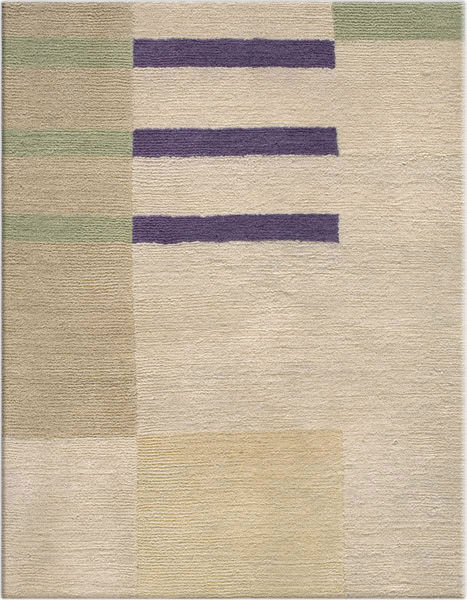
In compact living areas, every design decision must balance aesthetics and functionality. Custom rugs deliver both by being tailored precisely to room dimensions, color palette, and traffic patterns. This guide unpacks a systematic approach to measuring, selecting shapes, leveraging pattern illusions, and refining placement so that your small-space rug transcends its footprint. From custom cut-to-fit solutions to practical tips using rug spacers and versatile layouts, you’ll learn how to visually and physically expand tight quarters without overwhelming them.
Assessing room dimensions
Begin by precisely measuring the width, length and shape of your living area using a laser distance tool to capture both floor surface and surrounding vertical clearances. Sketch a scaled floor plan or use a 3D modeling app to map out transitional zones such as entryways, built-in shelves, and high-traffic corridors. Document existing furniture footprints – from sofa legs to coffee table bases – and mark any obstructions like radiator covers or door swings that determine where a rug can physically lie. Carefully note thresholds between adjoining rooms, as even a small discrepancy of an inch may create an awkward overlap or an uneven finish along the perimeter. Factor in a minimum fifteen-centimeter border of exposed flooring around the rug’s edge unless you plan a wall-to-wall installation. This meticulous planning stage not only ensures dimensional accuracy for a bespoke piece but also integrates seamlessly with your chosen color schemes and texture layering. For inspiration on tailored proportions and premium materials, explore our Doris Leslie Blau rug collections which showcase a spectrum of shapes and pile heights designed to complement compact environments. Harness these insights as the foundation of your own custom rug design process before proceeding to shape selection.
Choosing the right rug shape and size
Selecting a rug’s silhouette is a fundamental step in capitalizing on floor real estate and reinforcing visual flow in a compact room. Traditional rectangular rugs excel at elongating narrow areas such as corridors and entry halls, while round shapes soften angles and draw the eye toward a defined center in small parlors or breakfast nooks. For dining alcoves or hallway transitions, elongated runner configurations optimize linear square footage without overcrowding. When the room footprint deviates from standard ratios—say, an L-shaped sitting area or an offset seating arrangement—a custom contour can hug corners and architectural idiosyncrasies with precision. Incorporating versatile layouts during the design phase allows you to test alternate orientations within your software mockup and ensures the final installation doesn’t overcrowd narrow pathways. Always verify that any chosen shape facilitates at least a twenty to thirty-centimeter clearance around furniture legs to avoid a cramped illusion. By investigating a variety of silhouettes, you can choose a piece that simultaneously grounds your arrangement and accentuates the perception of open space. A well-proportioned rug can effortlessly demarcate functional zones, making each area feel distinct without compromising the cohesive flow crucial to small-space design.
Beyond selecting a basic form, refining your rug’s dimensions relative to surrounding furniture dictates how spacious or cluttered a room feels. A common strategy involves positioning the front legs of sofas and chairs on the rug while leaving the back legs anchored on bare floor, which creates a sense of unity among seating elements without choking circulation. Alternatively, a full “all-legs-on” approach can enlarge a designated conversational area, particularly when furniture pieces have slender bases or exposed frames. Prioritize a minimum twenty-five percent overlap under the heaviest furniture to prevent slippage and to maintain stability on hard surfaces; using non-slip rug spacers beneath the corners further enhances traction and preserves your hardwood finish. Layering a smaller accent rug atop a larger, low-pile foundation can introduce color contrast and tactile depth without visually compressing the floor plane. If you’re working within irregularly dimensioned spaces or want to incorporate inset areas, discover our custom rugs with bespoke sizing options to match your precise requirements. This tailored approach ensures every millimeter of your rug contributes to a seamless, proportionate layout.
Visual tricks with patterns
Pattern selection on a small-scale rug can manipulate perception of space far more dramatically than solid colors alone. Large-scale motifs in muted tones tend to compress a room visually, while smaller, tightly repeating patterns with subtle high-low pile shifts can create dynamic texture without drawing the eye to one overpowering element. Consider adopting a micro-pattern such as a scaled Persian gavari or a tortoise-shell motif to diffuse visual weight across the surface and allow corners to recede gently into the background. Strategically placed gradient or ombre effects can guide sight lines from one end of the room to the other, effectively lengthening narrow floor plans. For rooms with asymmetrical wall offerings—like alcoves or protruding fireplaces—a custom digital print on wool-silk blend carpeting can highlight architectural features without crowding adjacent zones. Maintaining a two- to four-inch unpatterned border along the rug’s edge can serve as a framing device, creating negative space that balances busy repeats. Opt for low-loop or flatweave constructions in high-traffic pathways to ensure patterns stay crisp under daily footfall and reflect ambient light evenly. Subtle tonal variations in a single hue family can introduce depth while upholding a serene backdrop, preventing the pattern from becoming a focal point that overpowers the small area.
Directional patterns such as linear stripes and chevron shapes provide an immediate perception of expanded length or width when orientated parallel to the shortest room dimension. For example, a lightweight wool rug featuring alternating ivory and charcoal fluted lines will make a 9-foot-wide living room seem broader if the stripe direction runs east-west. Chevron or herringbone layouts laid on the bias can divert attention from square footage constraints by breaking up right angles and encouraging the eye to travel diagonally. If you favor geometric fields, choose tessellated hexagons of varying opacity to simulate a continuous grid that appears to stretch infinitely, especially when paired with matte-finish hardwood beneath. Incorporating a subtle border in a complementary shade acts like an optical buffer between rug and wall, preventing harsh edges from boxing in the design. When patterns are underscored by high-contrast fiber blends—such as silk highlights within a wool pile—they generate slight reflections that trick the viewer into sensing additional space. Always sample pattern repeats at full scale before committing, and work with specialists familiar with the custom rug design process to adjust motifs and pile density for your exact footprint.
Placement tips to open space
Correctly situating your rug is just as critical as selecting its shape and pattern when striving to maximize perceived space. Begin by aligning the primary axis of the rug parallel to the dominant wall or the longest side of the room; this simple parallel placement instantly unifies the configuration and prevents a visual stutter that diagonal layouts sometimes create in compact quarters. If you decide to position rugs at an angle for artistic effect, ensure at least two opposing corners remain within thirty centimeters of the walls to avoid an awkward “floating” appearance. Consistency in alignment also simplifies the use of rug spacers, positioning them under every corner to maintain uniform tension and prevent edge curling. Always leave a visible strip of flooring—typically no more than five to ten centimeters—between rug edges and furniture legs, unless you intentionally layer two rugs to define nested zones. For high-traffic thresholds such as entry hallways, situate runner rugs so that the ends align with door frames, providing a gracious transition and preserving a sense of openness even when doors are open. Layered configurations should leverage gradient scales, placing a smaller accent rug atop a larger neutral base to reduce visual fragmentation and to emphasize walking paths. Over time, slight rotations can even out wear and prevent permanent matting along well-trodden routes.
When arranging seating around a rug in a small living room, two fundamental placement schemas exist: the ‘floating anchor’ and the ‘full coverage’ layout. The floating anchor approach sees the front legs of sofas and armchairs resting on the rug’s perimeter, lending a cohesive grouping effect while keeping the back legs on exposed flooring to facilitate cleaning and permitting easy rearrangements. In contrast, a full coverage or ‘all-legs-on’ arrangement suits pieces with low-profile legs or sled bases, spreading dining chairs or side tables uniformly across the rug’s surface for an integrated look. For narrow spaces, a runner rug placed beneath one side of a sofa—a method known as asymmetrical anchoring—draws the eye along the length of the sofa and can visually elongate seating areas. Employ versatile layouts during your planning phase to test both configurations in digital mockups, adjusting the rug’s exact position by incremental inches until you achieve optimal flow and balance. For instance, sliding the rug closer to a window can open up floor space by the entrance, encouraging unobstructed pathways. Remember to secure your final placement with high-quality rug pads and spacers to guard against shifting and to maintain clear walkways in everyday use. By thoughtfully manipulating proximity to furniture and walls, you minimize visual congestion and amplify the room’s dimensions.
Custom cut-to-fit solutions
For spaces that defy standard rectangular proportions, cut-to-fit custom rugs deliver an ideal solution by conforming exactly to your room’s footprint. Whether you have an irregular bay window recess, a curved staircase landing, or a Mediterranean archway with rounded corners, digital templating enables manufacturers to create patterns that trace your exact architectural contours. This precision cutting ensures no awkward gaps appear between rug edges and baseboards, and eliminates the risk of wrestling with oversized stock rugs that require multiple trims and frayed edges. Custom gussets can also be incorporated into the design, allowing the rug to navigate around built-in consoles, radiator alcoves, or column bases without compromising aesthetics. For open-plan apartments, you might specify an L-shaped or T-shaped configuration to delineate a reading zone or a breakfast nook within a single contiguous piece. Edge-binding colors can be matched to your wall paint or upholstery to further blend the seam between rug and surrounding space, masking any transition lines. With tailored configurations like these, you introduce a sense of bespoke luxury that seamlessly integrates into your interior’s custom architecture. Always review dimension tolerances and confirm door clearance to ensure your new rug won’t impede cabinet drawers or door swings.
Beyond shape, material selection plays a pivotal role in achieving the right balance of comfort, durability, and spatial harmony. Low-pile wool rugs maintain a refined profile under furniture, enabling dresser drawers and desk chairs to glide effortlessly without catching on high fiber loops. In dining corners or pet-friendly studios, stain-resistant synthetics combined with woven backing can withstand spills and abrasion while preserving vibrant dyes. If underfloor heating or radiant heat is installed, opt for breathable blends that won’t trap excessive heat or degrade pile resilience over time. Thickness also matters: a rug that’s too plush may necessitate door rehanging or slight undercutting at thresholds, while an overly flat weave could feel cold and lack acoustic dampening. Edge-binding in leather or cotton can reinforce borders in high-traffic zones, preventing fraying and enhancing the rug’s structural integrity over years of use. Consult with our interior specialists to determine the optimal fiber density and backing combination for your unique environment and lifestyle demands. This attention to detail ensures your custom rug remains proportionate, functional, and aesthetically unified with the rest of the décor.
Partnering with experienced artisans or design consultants streamlines the journey from concept to installation, ensuring every technical and aesthetic parameter is met. Utilize in-person measuring services or remote templating kits to capture precise room geometry—our teams then convert these measurements into CAD files that drive CNC cutting tools. Request physical swatches and small-format prototypes of your selected yarn blends and weaves to test under natural and artificial lighting conditions, verifying both color fidelity and pile hand. Digital renderings help visualize how your bespoke rug will interact with adjacent furnishings, and allow for last-minute adjustments to pattern scale or border width. Be mindful of production lead times, which can range from four to twelve weeks depending on the complexity of your design and availability of specialty fibers. Once your custom piece is complete, professional delivery teams often handle final positioning and orientation, calibrating rug spacers exactly to your specifications for optimal stability. This comprehensive specialist consultation ensures a streamlined experience, from measurement through to flawless execution—resulting in a tailor-made accent that optimizes space, form, and function in your compact living area.
FAQ
Q: What rug shape suits small rooms?
A: The ideal shape depends on your room’s layout and use. Rectangular rugs excel in elongated spaces like hallways or narrow living rooms, drawing the eye along the length of the floor. Round rugs work well in breakfast nooks or circular seating areas to soften angles and create a focal point. For L-shaped or irregular footprints, custom contour cuts allow the rug to follow the room’s unique architecture. Always leave at least twenty centimeters of exposed floor around the perimeter to prevent a boxed-in effect and to maintain visual breathing room.
Q: How far should a rug extend under furniture?
A: As a rule of thumb, allow at least twenty-five percent of heavier furniture legs—such as sofas, armchairs, and dining tables—to sit on the rug. This “front-legs-on” approach unifies seating without restricting movement. In open-plan zones or when using low-profile furniture, you can adopt an “all-legs-on” configuration for a cohesive island of texture. Ensure clearance from walls and doorways by maintaining a narrow border of bare floor around the rug’s edge. The use of rug spacers beneath each corner prevents shifting and preserves the intended placement.
Q: Can custom rugs make a room appear larger?
A: Absolutely. By tailoring a rug’s shape, pattern scale, and color palette to your room’s proportions, custom rugs can manipulate perception of space. Directional stripes or linear patterns elongate shorter dimensions, while low-contrast micro-patterns create a seamless visual field that feels expansive. Strategic placement—such as orienting stripes parallel to the longest wall—draws the eye outward. Low-pile constructions maintain sightlines across platform furniture and under doorways, further enhancing the illusion of continuity. Working with specialists on the custom rug design process ensures every detail supports spatial amplification.
For personalized guidance on crafting the ideal rug solution for your compact space, contact our design consultants today to embark on a bespoke journey.