

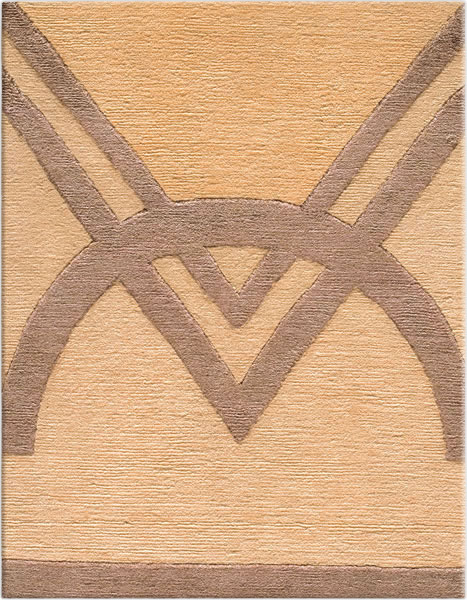
High-traffic areas present a unique challenge for custom rugs, where the interplay of footfall, environmental factors, and material properties can accelerate wear and compromise both texture and hue. This guide delivers a problem-solution approach centered on durability and meticulous upkeep, pulling from designer-grade specifics to help you maintain the look and feel of bespoke carpets. From identifying critical wear patterns to establishing regimented cleaning routines, you’ll gain actionable insights on preserving fiber integrity, managing stains, and knowing when to call in professional textile experts. Whether you’ve invested in hand-knotted wool, silk-blend creations, or flat-weave jute, these recommendations aim to extend longevity without sacrificing the tailored elegance that defines Doris Leslie Blau rug collections.
Understanding wear patterns
Recognizing and mapping wear patterns is the first step in safeguarding the structural integrity of your tailored carpets in areas like entryways, hallways, and living-room centers. Over time, repeated foot traffic compresses individual yarns in a predictable linear or triangular swath, leading to visible pile flattening and color fading where light interacts unevenly. To assess these zones accurately, roll out your rug on a smooth surface and examine it under directional lighting—this highlights fiber crush in warp versus weft directions. Designer-grade interiors often use rotation as a preventative strategy, shifting a high-traffic rug 180 degrees every three months to redistribute stress points. For bespoke wool piles, this approach prevents concentrated fiber compaction, while for silk-blend rugs, it halts luster loss. Documenting these patterns with dated photographs creates a maintenance log that informs when deeper professional intervention or spot treatment becomes necessary.
Recommended cleaning routines
Adopting a consistent cleaning routine tailored to your rug’s fiber content ensures dust and abrasive particles don’t erode delicate yarns. Start weekly with a low-suction vacuum setting using a brushless head—aggressive beater bars can snag hand-knotted tufts and loosen binding. For wool rugs, maintain a relative humidity around 45–50% in the room to preserve lanolin and prevent brittleness. Quarterly, perform a gentle deep-clean following an pH-neutral rug shampoo diluted to a 1:10 ratio with filtered water; apply with a soft-bristle brush, working in the direction of pile lay to avoid frizzing. After treatment, ensure rapid drying via ambient air circulation and a dehumidifier set below 50% to prevent mold. Specialty fibers, such as platinum-dyed silk details, may require bespoke cleaning agents free of optical brighteners—always test a hidden corner first. These regimented methods form the backbone of reliable rug cleaning methods that uphold appearance without compromising fiber strength.
Stain prevention and removal
Preventing stains is far more cost-effective than repairing damage, making proactive barrier treatments a cornerstone of luxury rug care. Before installation in dining or foyer areas, apply a fluorocarbon-based fabric protector designed for wool and silk blends; this treatment repels liquids for up to 12 months, enabling simpler removal by blotting. Should spills occur, do not rub: gently blot excess moisture with a white microfiber cloth, then have a small spray bottle on hand filled with a 50/50 mixture of distilled water and ethanol. This solution helps dissolve oil-based residues without leaving soap scum. For red wine or coffee spills, consider an enzyme-based cleaner applied sparingly, allowing the formula to lift pigments without over-wetting the backing. After treatment, gently pat the area with a dry towel and air-dry thoroughly. These stain removal techniques meld practical efficiency with the design discipline needed to protect bespoke floor art.
Professional maintenance services
Even the most diligent at-home routines benefit from periodic professional maintenance, especially for rugs in perpetual use. Schedule a full-service deep clean every 12 to 18 months with a certified rug technician who specializes in hand-knotted and custom-woven textiles. These experts typically employ a four-step rotary shampoo system calibrated for fiber type: dry soil extraction, pre-conditioning with a nonionic surfactant, controlled hot-water washing at 35–40°C, and low-pressure rinsing to remove residual chemicals. Following cleaning, a groomer tool realigns the pile direction and revives surface luster. In addition to cleaning, professionals can inspect for subtle damage—loose binding, moth larvae presence, or sun-bleaching—and recommend targeted repairs like re-fringing or localized re-dyeing. Integrating professional services complements your regular care and upholds the factory-grade finish of customized carpets.
Extending rug lifespan
Prolonging the life of your custom rugs goes beyond cleaning—it involves environmental management, strategic placement, and routine inspections. Rotate rugs biannually to equalize wear, and use high-quality underlays with rubber backing and felt padding to cushion impact and inhibit slippage. In sunlit rooms, invest in UV-filtering window films or motorized sheer drapes to curtail fast fading, particularly on ultra-fine wool or silk-based weaves. Every six months, inspect the reverse side for signs of backing deterioration or moisture accumulation, as these can lead to irreversible fiber weakness. In areas prone to spills or pet traffic, consider placing a low-profile, clear protective runner over the primary rug; this transparent vinyl layer can be easily wiped clean while still revealing the rug’s pattern. Combining these measures with regular inquiries into the custom rug design process ensures your bespoke investment retains its form and finish for decades.
FAQ
How often should I clean a high-traffic rug?
For rugs situated in high-traffic zones, a weekly low-suction vacuuming combined with quarterly deep cleans is recommended. Weekly vacuuming prevents soil particles from abrading fibers, while quarterly deep cleans using a pH-neutral shampoo preserve both pile resilience and color saturation. In commercial or extremely active residential spaces, consider increasing deep-clean frequency to twice yearly or engaging a professional maintenance service every 9 to 12 months. Consult our specialists to tailor the schedule to your rug’s fiber composition and usage intensity.
Can custom rugs be machine-washed?
Most bespoke rugs—especially those hand-knotted in wool or silk—are too delicate for home washing machines or conventional carpet cleaners. The mechanical agitation and excess water can distort the backing, stretch binding, and cause dye bleeding. Instead, rely on spot treatments for minor spills and hire certified rug-care professionals for full-scale washing. If your custom rug is a small, flat-weave cotton or synthetic blend explicitly rated for machine washing, always use cold water, gentle cycle, and fast spin to minimize moisture retention.
What products are safe for delicate fibers?
The safest products for high-end fibers include pH-neutral, nonionic surfactants free of optical brighteners and bleach. Enzyme-based spot removers formulated for wool and silk can address organic stains without damaging lanolin or fiber strength. Always dilute concentrated shampoos to the manufacturer’s recommended ratio—typically 1:10 with deionized water—and test in an inconspicuous corner. For protective treatments, choose fluorocarbon-based repellents specifically designed to adhere at the fiber level without altering hand feel or sheen.
For tailored advice that aligns with your interior schema and lifestyle demands, consider booking a specialist consultation with our Doris Leslie Blau maintenance team. Whether refining your routine or planning a professional refresh, our experts can guide you through every step of preserving your custom rugs’ allure for generations to come.