

In compact interiors, each design decision carries weight—especially when it comes to underfoot treatments. This article explores how customized floor mats deliver a precise rug sizing guide and an optimized floor covering layout tailored for small rooms. You’ll discover how correct proportions, thoughtful color and pattern choices, and the appropriate material selections work together to expand the visual field, improve traffic flow, and maintain both style and function. Whether you’re outfitting a studio apartment, a snug home office, or a petite bedroom, these designer-grade specifics will empower you to make informed choices that maximize every square inch.
Understanding Rug Proportions for Small Rooms
The foundation of any successful arrangement in compact interiors lies in proportion. A customized floor mat should ideally cover about 60 to 80 percent of the usable floor area, allowing a consistent border of exposed substrate around the perimeter. This guideline respects core principles of a rug sizing guide and ensures that the floor covering layout feels intentional rather than arbitrary. Too small a rug vanishes under furniture legs, while one that monopolizes the space can feel overwhelming. By customizing dimensions down to the centimeter, designers can maintain a balanced border that visually anchors seating areas without disrupting flow or creating a claustrophobic effect.
When positioning a rug beneath key furniture pieces, consistency is crucial. In living or lounge zones, at least the front legs of sofas and chairs should rest on the customized floor mat, establishing a cohesive grouping. Conversely, in bedroom settings, an oversized mat can extend beyond the bed frame by 30 to 45 centimeters on either side, offering a plush landing zone while preserving negative space. These precise measurements translate into a refined floor covering layout that enhances circulation paths and accentuates spatial hierarchy. A strict adherence to such guidelines elevates small-room design from improvised to architecturally sound.
Hallways and transitional corridors in tight footprints benefit from narrow runner rugs. Here, a customized runner width should leave between 10 to 15 centimeters of bare floor on each side, creating a clear route that expands perceived width. Lengthwise continuity guides the eye, giving the illusion of a more elongated space. This approach not only adheres to best practices in rug proportions for small rooms but also reinforces directional flow, making even the narrowest passages feel more inviting. Custom lengths avoid unsightly seams or excess roll-up, resulting in a polished, gallery-like presentation.
Integrating built-in elements like benches, alcoves, and low shelving with a custom rug layout further optimizes floor covering design. When a piece of furniture abuts an adjacent wall, the rug can be truncated to fit precisely, creating a seamless junction that preserves functional floor area. This is especially critical in studio layouts where zones must coexist without visual competition. By embracing a tailored floor covering layout, you ensure that every inch serves its purpose, whether delineating a seating nook or marking the boundary of a kitchenette. Thoughtful proportioning marries practicality with a high-end aesthetic.
Color and Pattern Tricks to Enlarge a Space
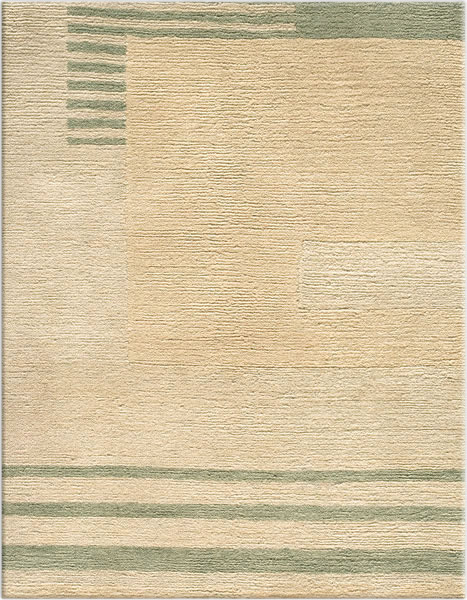
Light, soothing hues are among the most effective tools for visually expanding a confined interior. Pastel neutrals such as whisper-gray, off-white, or pale sand reflect ambient light more efficiently than darker tones, creating a luminous underfoot layer that seemingly raises ceiling height. Cool undertones—tints of blue, green, or lavender—further trick the eye by receding visually, while warmer neutrals convey coziness without contraction. In selecting customized floor mats, specifying a subtle hue shift rather than a flat tone can add depth and dimension, enhancing the perception of scale in an otherwise tight footprint.
Patterns wield considerable power in manipulating spatial perception, but scale is everything. Oversized motifs on small rugs can overwhelm, compressing the room’s proportions. Instead, opt for mid-size geometrics or finely detailed repeats that provide visual interest without aggression. A diamond lattice in soft contrast or a subdued herringbone lends sophistication and rhythm, making the floor appear more expansive. This calibrated approach to pattern selection aligns with designer-grade standards, ensuring that the rug serves as a seamless extension of the interior palette rather than a focal point that shrinks the space.
Directional patterns also influence perceived length and width. Horizontal stripes widen narrow rooms by guiding the gaze laterally, while lengthwise piqué stripes or linear motifs elongate shorter spaces. Customizing the orientation of these designs allows for precision—whether you need to visually stretch a compact hallway or broaden a snug living area. By combining strategic pattern directionality with scale-appropriate motifs, customized floor mats can transform the proportions of a room without structural alteration. This synergy between form and function epitomizes an advanced floor covering layout strategy.
For a truly integrated scheme, coordinate your floor covering with bespoke furniture lines and custom draperies. Matching the undertone of your rug to the finish of wood veneers or the weave of drapery textiles unifies the interior language. Consistency in scale across upholstery textiles, window treatments, and underfoot coverings creates a seamless design narrative that feels more spacious by virtue of its cohesion. When each element references a shared color story and pattern scale, the overall environment gains clarity and amplifies the illusion of space.
Functional Materials for Compact Areas
Material selection is critical in high-traffic, small-footprint interiors where durability and easy maintenance take precedence. Low-pile and flatweave constructions such as hand-knotted wool, jute, or sisal are ideal because they resist matting and accommodate frequent vacuuming. Wool blends in particular offer stain resistance and built-in resilience, ensuring the rug remains plush and even in tight circulation zones. By specifying performance finishes—like fluorocarbon-free stain barriers—you can safeguard against spills without detracting from the natural hand and texture of the fiber.
Anti-slip backing is another indispensable feature for customized floor mats in compact areas, especially those serving as transition zones between rooms or placed atop hard-surface flooring. A thin, adhered rubber or felt backing prevents movement and eliminates the need for additional underlays, which can reduce ceiling height in low-profile spaces. This technical consideration not only improves safety but also maintains a consistent floor-to-ceiling ratio, essential for preserving spatial perception in small rooms.
Indoor-outdoor materials have also found a home in tight interior footprints, offering moisture resistance and wipe-clean convenience without sacrificing style. Polypropylene blends and specially treated nylon fibers replicate the appearance of natural sisal or classic hand-knotted wool at a fraction of the maintenance commitment. For areas prone to humidity—such as compact kitchens or entryways—these options serve as a practical compromise, delivering a designer look with robust performance. Custom dimensions ensure coverage exactly where needed, minimizing waste and maximizing visual continuity.
In niches like kitchenettes or bathroom vestibules, consider layering a smaller, high-performance utility mat atop a broader custom rug. This dual-layer strategy allows you to maintain a cozy underfoot aesthetic while providing a removable, washable top layer for daily cleanup. Coordinate both pieces within your rug sizing guide for harmony, ensuring edges align and patterns complement each other. This hybrid solution exemplifies an elevated floor covering layout that marries practicality with the refined sensibility expected in luxury interiors.
FAQ
How big should a rug be in a small room?
The ideal rug size in a confined space covers approximately 60–80% of the floor area, leaving a consistent border of exposed flooring around the perimeter. Furniture legs—at least the front pair—should sit on the rug to unify the seating group. Custom dimensions allow you to adhere precisely to these proportions, ensuring that neither the rug nor the bare floor overwhelms the composition.
Which colors make rooms look larger?
Light neutrals and cool undertones reflect more light and visually recede, creating an airy, expansive effect. Pastel grays, off-whites, and pale sand or ivory hues are preferred. When choosing a customized floor mat, specify a tone-on-tone variation rather than a flat shade to add depth and subtle dimension to the space.
Can I layer rugs in small spaces?
Yes, layering is possible when executed with restraint. Place a smaller, high-performance mat atop a larger, more decorative rug to protect high-traffic zones. Align edges carefully and choose complementary colors and textures so the combination reads as a cohesive floor covering layout rather than competing elements.
For tailored advice on selecting and configuring custom rugs for your compact environment, contact our design specialists for a personalized consultation that ensures every dimension and detail aligns with your spatial goals.