

In the realm of interior design, bathroom floors are often overlooked until functionality demands attention. Custom rugs specifically engineered for bath spaces offer an intersection of luxury and safety, transforming moisture-prone areas into refined showcases. By selecting water-resistant materials and integrating anti-slip backing systems, designers achieve elevated aesthetics without compromising performance. Made-to-order bathroom rugs provide precision sizing, tailored pile heights, and bespoke treatments that resist mold and stains. Whether paired with a freestanding tub or anchoring a double vanity, these luxury custom bath mats are an essential upgrade for discerning homeowners seeking both elegance and practicality.
Bathrooms are no longer mere utility zones; they have evolved into curated environments that reflect a homeowner’s personal style and design philosophy. Incorporating custom rugs into these spaces requires a thorough understanding of fiber performance, backing technologies, and installation strategies that prevent moisture buildup and slipping hazards. Designer-grade specifics—such as solution-dyed yarns with UV stabilizers, high-density tufting at 400–600 grams per square meter, and non-skid thermo-resistant backings—ensure longevity under frequent footfall and humidity exposure. When layered with thoughtfully chosen textiles, including coordinating bespoke furniture accents and custom draperies that share color references, a bathroom attains cohesive sophistication. This guide explores how made-to-order designs can elevate your bath layout through targeted material choices, precision sizing, and maintenance protocols that preserve both curb appeal and safety over time.
Selecting Water-Resistant Fibers
Choosing the right fiber is foundational when specifying custom rugs for a bathroom environment. Solution-dyed polypropylene and nylon offer excellent water-resistant materials that do not bleed color or degrade under repeated wetting. Microfiber blends composed of polyester and polyamide deliver plush softness while expelling moisture, with capillary wicking yarn constructions that accelerate drying. Bamboo viscose or eucalyptus-derived Tencel yarns can be treated with hydrophobic finishes to combine eco-friendly credentials with moisture resilience. Natural cotton remains popular for its absorbency but requires backing membranes or hydrophobic coatings to prevent mold growth. Each fiber type can be layered in custom bath mats to balance texture, absorbency, and durability without sacrificing design integrity.
Beyond the yarn content, weave density and pile height dictate how effectively a custom rug manages water exposure. High-density tufting at 60–80 knops per square inch enhances structural rigidity, reducing fiber collapse when wet. Low-profile piles between 5mm and 10mm ensure rapid moisture release and faster dry times, while mid-range piles around 15mm to 20mm deliver cushioned underfoot comfort without excessive moisture retention. Thermoplastic backing membranes bonded with polyurethane adhesives create a waterproof barrier that shields the subfloor, and weft-locking stitches along borders prevent fraying despite frequent laundering. Attention to these construction details transforms a standard rug into a robust water-resistant layer suitable for continuous bathroom use.
Advanced finishing treatments elevate performance further: anti-microbial silver-ion or copper-infused sprays inhibit bacterial proliferation in damp conditions, reducing malodor and mildew formation. UV stabilizers embedded in solution-dyed fibers prevent color fading from sunlit windows or indirect overhead lighting. Hydrophobic nano-coatings applied post-production repel water droplets at the molecular level, creating bead-like runoff that directs moisture toward drains. Stain-release finishes formulated with fluorine-free polymers break down oils and cosmetic residues, making spot cleaning more efficient. By specifying these coatings, designers ensure that custom rugs maintain their aesthetic clarity and hygienic standards in demanding bath environments.
Custom Sizing for Unique Bathroom Layouts
Precise measurement is critical when designing custom rugs for bathrooms, which often feature irregular footprints, alcoves, and free-standing tubs. Begin by mapping out fixture locations and delineating clear pathways to vanities, showers, and doorways. Laser measurement tools assist in capturing subtle floor offsets and threshold changes, ensuring the rug fits flush against cabinetry. Complex shapes—such as D-shaped runner ends around a pedestal sink or pie-cut semicircles at the base of a clawfoot tub—can be digitized into cutting patterns for seamless integration. These made-to-order bathroom rugs eliminate awkward overhangs that trap water or pose trip hazards, promoting both aesthetic cohesion and functional safety.
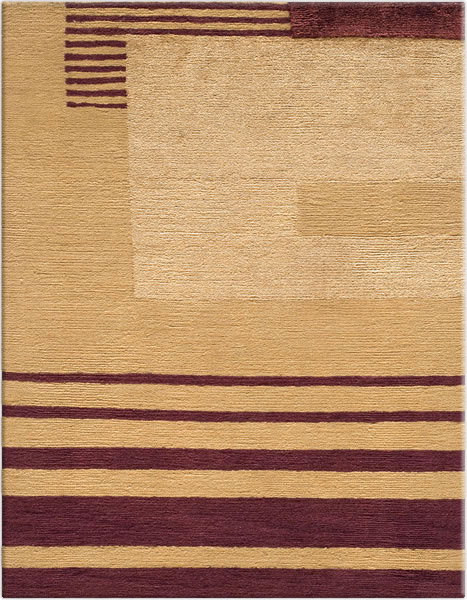
Pattern alignment and border detailing require equally precise planning. When specifying stripe or geometric motifs, indicate directional flow relative to room length to guide foot traffic visually toward exits. In multi-material floors—such as porcelain tile transitioning to marble—coordinate border widths of 2cm to 5cm to create harmonious transitions. Bi-level insets for heated-floor zones can be accommodated by reducing pile height by 3–5mm, preventing uneven surfaces underfoot. For bathrooms with threshold height differences, incorporate beveled-edge mats that ramp seamlessly between rug and floor, preserving door clearance and ensuring ADA-compliant transitions. This level of customization transforms a basic bath mat into a tailor-made design element that unites function and form.
Maintaining Hygiene and Durability
Routine maintenance is key to preserving the integrity of custom rugs in damp bathroom settings. Vacuum daily using a brushless head to dislodge surface debris without damaging low-profile piles, and immediately blot spills with microfiber cloths to prevent stains from setting. Most water-resistant materials allow for gentle machine washing on a cold, delicate cycle, but always verify manufacturer guidelines regarding backing membranes and specialized coatings. Use enzyme-based detergents to break down soap scum and body oil, and avoid chlorine bleach unless explicitly recommended, as it can degrade certain fibers and coatings. After washing, air-dry flat or tumble on very low heat to maintain pile loft and backing adhesion.
For deep cleaning or restoration, professional rug services can apply eco-friendly steam extraction treatments that sanitize fibers and eliminate embedded moisture without excessive agitation. Anti-mold sprays formulated with organic acids can be applied between wash cycles to prevent mildew in high-humidity climates. When not in use, roll the custom rug with the pile facing inward and store in a breathable cotton bag to mitigate dust accumulation. Rotate mats seasonally or reposition them every six months to distribute wear evenly and extend service life. By implementing a proactive maintenance regimen, homeowners safeguard both the hygienic environment and long-term durability of their luxury custom bath mats.
FAQ
What materials are best for bathroom rugs?
Optimal materials for bathroom rugs include solution-dyed polypropylene, nylon blends, and hydrophobically treated microfibers. These synthetic fibers resist water absorption, inhibit color bleeding, and incorporate UV stabilizers to prevent fading in naturally lit bathrooms. Natural options such as treated cotton or bamboo viscose deliver absorbency but require hydrophobic backing membranes or nano-coatings to maintain mildew resistance. For eco-conscious designs, look for OEKO-TEX® certified yarns and fluorine-free stain-release finishes that align with sustainable bathroom schemes without compromising on performance.
How to prevent mold on bath rugs?
Prevent mold growth by ensuring custom rugs dry completely between uses. Install adequate ventilation—an exhaust fan rated at 8–12 air changes per hour—and leave mats spread flat after showering. Treat underlayers or backing surfaces with anti-microbial sprays based on silver ions or organic acids. Regularly launder rugs on a cold, gentle cycle with enzyme detergents to remove organic residues, and avoid folding damp mats for storage. Incorporating quick-dry fiber constructions and vapor-permeable backings further reduces trapped moisture that fosters mold formation.
Can custom rugs be machine-washed?
Many custom rugs designed for bathrooms are engineered for machine washing, provided you adhere to manufacturer care instructions. Use a front-loading washer on a delicate cycle with cold water and a mild, surfactant-based detergent. Avoid high-heat settings in both wash and drying phases to protect backing membranes and hydrophobic coatings. When in doubt, consult your rug specialist for professional laundering recommendations or remove non-woven backings prior to home washing to prevent delamination. Proper laundering maintains both hygiene and structural integrity over the rug’s lifespan.
For tailored advice on selecting fibers, coordinating patterns with existing fixtures, or integrating anti-slip technologies into your bathroom design, consult our specialist team. Whether you seek a bespoke solution to complement a freestanding soaking tub or a precision-cut runner for a gallery-style vanity corridor, our experts will guide you through material specifications, installation nuances, and care protocols. Contact us today to transform your bath floor into a refined, safe, and water-resistant foundation that stands the test of time.