

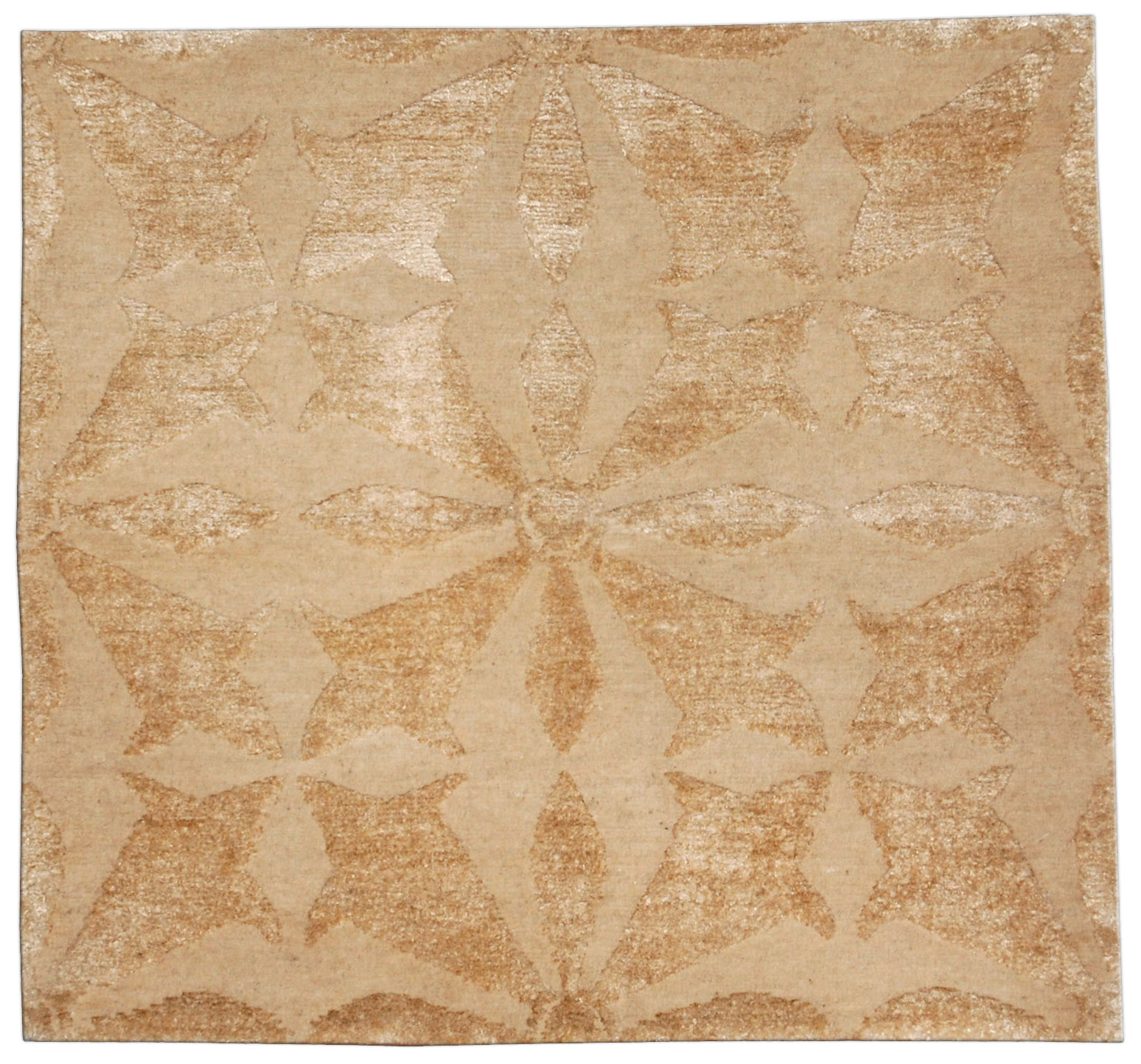
Transforming a living room into a gathering space that exudes refined elegance requires meticulous attention to every element of the foundation, and the choice of custom rugs plays a pivotal role in achieving a seamless union of color, scale, and texture. By commissioning bespoke floor coverings rather than relying on standard-size options, homeowners can ensure each piece aligns exactly with furniture groupings and traffic paths, while harmonizing with the overarching palette and mood. Integrating custom rugs allows for a level of precision in hue selection—matching subtle undertones of wall paint or upholstery—and scale calibration that respects ceiling height, floor plan geometry, and natural light conditions. From preliminary sketches to final hand-finishing, a well-managed process yields luxury area rugs that are both visually arresting and tailored to the demands of a specific living space. For those seeking inspiration or guidance on design parameters, our detailed walk-through of the custom rugs process offers in-depth insights into material choices, ratio planning, and finishing techniques.
Defining Space with Scale and Color
When designing a living room around a signature centerpiece rug, the initial and perhaps most critical step is to establish scale in relation to seating clusters, coffee tables, and transitional zones. A dining-area rug typically extends beyond table edges by at least 30 centimeters to allow chairs to remain on the carpet when pulled back; similarly, living room layouts benefit from at least 20 centimeters of margin around sofas and side tables, but refined briefs often call for custom area rugs that exceed those proportions to create an enveloping effect. Color calibration further elevates spatial definition: specifying dye recipes in wool or silk blends ensures the rug’s underpainting either resonates with accent pillows or offers a gentle counterpoint against marble hearths. In practice, luxury area rugs can adopt a gradient or tonal-fade placement, moving from richer central hues to softer peripheries, visually expanding the footprint without jarring transitions. By entrusting experienced artisans with a made-to-measure brief, clients gain the ability to modulate rug dimensions and chromatic intensity precisely, leading to an integrated floor covering that frames conversation areas and delineates adjacent zones at a glance. Exploring case studies of avant-garde installations, designers often rely on our custom area rugs guidelines to determine both optimum shape—whether rectilinear, octagonal, or freeform—and the most arresting yet harmonious color statements for grand salons or compact family rooms alike.
Selecting Materials for Comfort and Durability
Choosing the right construction method and fiber content is paramount when a bespoke rug must reconcile luxurious feel with high-traffic performance. Hand-knotted rugs, renowned for knot densities exceeding 120 knots per square inch in fine-wool or silk-and-wool blends, deliver unparalleled dimensional stability and clarity of pattern, but they require longer lead times and specialized loom capacities. For clients seeking a balance between speed and softness, hand-tufted rugs utilizing 100 percent New Zealand wool are often specified at pile heights of 12 millimeters, offering plush underfoot comfort with the ability to trap neutral undertones effectively. In very busy living spaces, a low-profile loop or flatweave variant—such as a 100 percent wool double-weave with reinforced weft tapes—can provide slipperiness resistance while maintaining a textural complexity that prevents premature crushing. Material performance also hinges on bespoke finishing: overcast serging in complementary yarn tones prevents runner edging wear, while custom latex backing with a natural rubber composite enhances non-slip properties without compromising floor-resin breathability. Whether a commission calls for hand-knotted rugs that showcase intricate Persian motifs or high-end machine-woven solutions with high retention twist, our bespoke briefs revolve around pairing design aspirations with fiber science to achieve the ideal marriage of sumptuous tactility and everyday resilience. Clients who require deeper insights into yarn sourcing and weaving techniques can explore detailed process notes available within our custom-made rugs portal.
Pattern and Texture Synergy
In the realm of luxurious living room composition, the synergy between pattern scale and textural depth can make or break a room’s visual coherence. Overscale motif layouts, with repeats larger than 120 centimeters, work best against minimalist furniture schemes and high-gloss finishes to create an impactful focal plane, while micro-patterned all-over graphics at 30-centimeter intervals tend to complement layered interiors rich in matte and metallic accent surfaces. Textural interplay further refines the narrative: cut-and-loop constructions combining 14-millimeter lush pile with 6-millimeter bouclé loops allow designers to sculpt relief accents that catch daylight at varying angles, enhancing perceived dimension without resorting to additional area rugs or overlays. A subtle gradient from dense, hand-spun silk highlights to more muted wool sections can introduce directional flow, guiding seating orientation toward entertainment units or panoramic windows. When working with our atelier, clients can specify precise knot density variations, rope twist counts, and pilling-resistance finishes, ensuring each textural zone within the rug responds to foot traffic patterns and ambient lighting for lasting luster. Leveraging this level of advanced customization through custom rugs ensures that the final composition feels both cohesive and dynamically alive, transforming a static floor plane into an active design element that interacts with every other surface in the living space.
Maintenance Tips for High-End Rugs
Even the finest woven artworks require a diligent care regimen to preserve their original brilliance and structural integrity over years of use. Rotating a bespoke rug at least every three months helps distribute wear evenly, preventing high-traffic zones—such as pathways between seating and doorways—from developing uneven matting. Weekly vacuuming with an adjustable suction head, set to a low-power setting and avoiding beater bars, removes surface debris without unsheathing delicate loops or excessively flattening high-pile zones. In case of spills, immediate blotting with a clean, absorbent cloth followed by spot treatment using a pH-neutral wool-safe solution prevents dye migration and fiber distortion. Every two years, commissioning a professional cleaning service that specializes in hand-knotted and flatweave luxury area rugs is essential: they employ tailored dry-clean solvents and gentle water hygrometers to expel embedded soils without abrading the pile. Additionally, investing in a high-quality rug pad—specifically one with natural latex gripping features and non-slip certification—serves as an underlayment that minimizes lateral movement, reduces joint strain, and enhances sound insulation. By implementing these care strategies, each custom-rugs investment retains its original vibrancy and tactile richness, ensuring the living room remains a showcase of craftsmanship and comfort for generations.
FAQ
How do I choose the right size bespoke rug for my living room?
Selecting the ideal rug size starts by outlining the primary seating arrangement. Measure from the outer edges of sofas, armchairs, and coffee tables to ensure at least a 20-centimeter border around each piece, which visually anchors the grouping and prevents furniture legs from appearing to float. For larger formal settings, consider extending the rug beyond these margins—up to 60 centimeters—to create a grand, unified field under all seating elements. Custom-rugs consultations often include scaled floorplans that overlay various rug dimensions, allowing clients to preview and refine proportions digitally before production. Additionally, factor in traffic patterns to avoid abrupt rug edges within walkways, ensuring a seamless flow between zones.
What materials are best for a high-traffic living space?
For living rooms with frequent footfall, 100 percent New Zealand wool remains a top choice due to its inherent resilience, natural stain resistance, and ability to recover from compression. Hand-tufted constructions in medium-density tuft counts—around 80 to 100 stitches per square inch—offer an optimal balance between softness and durability, while flatweave techniques using tightly spun wool or wool-blend yarns provide a low-profile surface that shows less wear over time. Incorporating a reinforced jute or cotton backing with a non-slip latex coating adds stability and protects underlying floor finishes. If an elevated sheen or intricate pattern clarity is desired, a wool-silk blend with less than 20 percent silk can be used strategically in low-traffic zones of the rug to highlight motifs without compromising longevity elsewhere.
How often should I rotate my bespoke rug?
Rotating a luxury rug every three to six months is recommended to achieve uniform wear and prevent permanent pile crushing in high-traffic corridors. This schedule may be adjusted based on footfall intensity—more frequent rotations in entry-adjacent seating areas, for example—ensuring that no single section bears the brunt of daily use. If upholstery layouts or furniture placements change seasonally, coordinate rug rotation with those updates to maintain balanced exposure to sunlight and foot traffic. Regular assessments of pile height and texture differentiation can guide rotation intervals, with more pronounced matting signaling an immediate need for repositioning.
To explore further customization or request a personalized design consultation, our team of specialists is available to guide you through every step—from material selection and color matching to final installation—ensuring your living room achieves its fullest expression of luxury and comfort.