

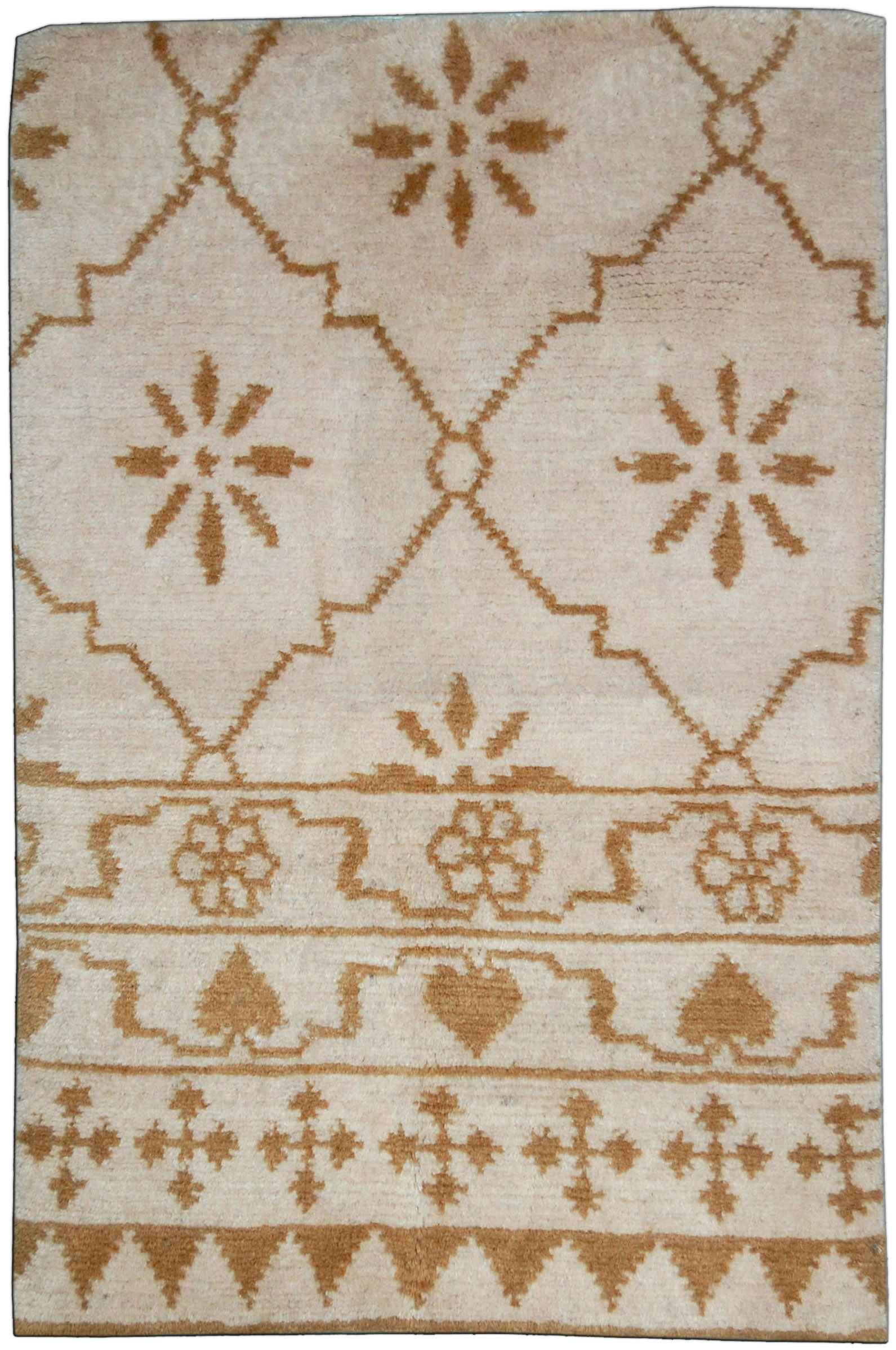
Discover how precisely crafted floor coverings can serve as the foundation for serene, refined interiors that capture the essence of both Japanese restraint and Scandinavian warmth. By emphasizing clean lines, natural materials, and subtle color palettes, Japandi tailored carpets introduce a tactile softness underfoot that elevates minimalist spaces into realms of tangible comfort. This article explores how custom rugs designed for Scandi-Japanese interiors transform open, airy rooms into intimate sanctuaries, outlining core design principles, the best material choices, harmonious color and texture strategies, and practical styling guidance. Whether you’re exploring bespoke craftsmanship for your next living area or seeking tips on mixing utility with beauty, this comprehensive guide on Japandi rug design reveals the secrets of creating cohesive, balanced spaces that feel simultaneously warm, uncluttered, and deeply inviting.
Principles of Japandi Design
At the heart of Japandi design lies the harmonious marriage of Japanese minimalism’s understated precision and Scandinavia’s focus on functional comfort, resulting in spaces that feel both open and welcoming. Core to this approach is the idea that every element, from furniture forms to floor coverings, must serve a dual purpose: aesthetic clarity and practical utility. When integrating a custom rug within a Japandi environment, the rug’s shape, scale, and weave should echo the surrounding architecture and furnishings—think low-profile seating, uncluttered surfaces, and ample natural light. Instead of crowding the floor, a single large custom rug can anchor a seating area, subtly delineating zones while reinforcing the room’s architectural geometry. This curated restraint allows the eye to rest on selected textures and tones, creating an atmosphere of intentional calm. The result is a refined composition where each piece, including the tailored carpet, contributes to a graceful, meditative ambiance without superfluous ornamentation or visual noise.
Beyond mere aesthetics, the guiding principle of ‘ma’—the Japanese concept of negative space—reinforces the sense of balance and breathability in Scandi-Japanese interiors. In practice, that translates into selecting minimalist rugs with uncluttered patterns or solid hues that complement wooden floorboards or polished concrete finishes. A custom area rug in neutral or muted tones becomes a soft counterpoint to the room’s structural materials—raw timbers, stone accents, or plaster walls—while maintaining visual continuity with the overall palette. Additionally, Scandinavian design’s emphasis on hygge encourages warmth through tactile layers, so introducing a single, well-placed handcrafted rug offers a gentle invitation to linger, stand barefoot, or arrange cushions for floor-level lounging. By observing both the Japanese commitment to spatial harmony and the Scandinavian dedication to coziness, designers create an environment where carefully chosen floor coverings foster relaxation and introspection without sacrificing purposeful design integrity.
Ideal Materials for Serenity
Selecting the right fiber for a Japandi tailored carpet is essential to achieving that coveted balance between minimalism and warmth. Natural fiber carpets—such as New Zealand wool, undyed jute, or hand-spun linen blends—deliver a subdued color range and a subtlely varied texture that resonate with both Japanese and Scandinavian material palettes. Wool provides resilience and a plush underfoot experience, while jute introduces an organic roughness that pairs beautifully with matte wood grains or smooth ceramic surfaces. Linen deserves special mention for its lightweight drape and inherent breathability, making it ideal for moderate-traffic areas where a lighter weave can enhance a room’s airy quality. Choosing organic or low-impact dyes further reinforces the eco-conscious ethos inherent to both traditions, ensuring that even the most refined rug remains aligned with principles of environmental mindfulness. Incorporating a bespoke design process through our custom rugs service allows you to specify exact fiber blends and weave densities, guaranteeing a piece that not only looks authentic but also performs reliably for years to come.
In addition to the primary fiber, the rug’s construction method plays a pivotal role in defining its character and longevity. Hand-knotted carpets, for instance, exhibit a subtle irregularity in knot density that lends an artisanal charm to Scandi-Japanese interiors, celebrating human craftsmanship over machine uniformity. On the other hand, flatweave techniques such as kilim or dhurrie produce a minimalist profile ideal for high-traffic zones, where a lower pile height facilitates easy maintenance without sacrificing the cozy ambiance. When specifying a tailored carpet, discussing pile height, knot count, and edging details with a specialist ensures the final product aligns perfectly with both your design vision and practical needs. Whether you choose a luxuriously dense wool pile or a streamlined linen flatweave, an expert-guided approach to custom area rugs makes it possible to strike the right balance between lasting performance and timeless aesthetic appeal.
Color and Texture in Balance
Color selection in Japandi rug design requires a careful balancing act: the palette must neither overpower the serene atmosphere nor fade into complete invisibility. Earthy neutrals—soft greys, muted taupes, and subtle sandy hues—function as a versatile backdrop, seamlessly integrating with pale wood tones and whitewashed walls. Strategic introduction of a single accent hue, such as a deep indigo or forest green applied sparingly across the rug’s border or in a minimal geometric motif, can yield a focal point without disrupting the overall tranquility. Texture becomes an additional layer of nuance. Combining a high-low pile technique or a hand-tufted motif within a predominantly flatweave field introduces gentle undulations that invite touch and reward close inspection, stimulating all senses without complicating the visual composition. Employing this restrained layering of color and texture ensures that the custom rugs tie together furniture elements and architectural features, becoming an integral component of the holistic design rather than a mere decorative afterthought.
Woven intricacies such as subtle tonal shifts or bind-weave accents further enhance a minimalist rug’s ability to reflect light and shadow in dynamic ways, especially in sunlit rooms. These fine details serve as a bridge between the large, uninterrupted planes popular in Scandinavian interiors and the Japanese penchant for natural patterning—think wood knots, rice paper translucency, or organic stone veins. When working with a design consultant, specifying a gradient dye technique or a crosshatch weave pattern can yield a bespoke carpet that transitions gracefully across shades, anchoring the room while maintaining visual openness. This nuanced approach to color and texture allows for a quiet dialogue between floor, wall, and furniture, ensuring every element contributes cohesively to the calm, curated feel definitive of Japandi style.
Styling Tips for Hygge Meets Wabi-Sabi
Once you have selected an artisan-crafted rug, consider layering and placement strategies that reinforce both hygge comfort and wabi-sabi authenticity. In a living area, position the custom rug so that key furniture legs—such as those of the sofa and armchairs—rest partially on its surface, creating a unified seating cluster that encourages intimate conversation. Scatter a few linen floor cushions or handwoven throws in tonal hues to invite barefoot relaxation, echoing the Japanese tradition of floor-level seating and Scandinavian hearth-side warmth. Introduce a single statement accessory—perhaps a handcrafted ceramic vase or a minimalist wooden bench—in a contrasting texture atop the rug, allowing it to become a point of visual interest without overwhelming the space. Such deliberate styling choices help underscore the rug’s importance as more than just a floor covering; it becomes the spatial anchor that synthesizes function, form, and sensory delight.
In dining areas, a low-profile flatweave beneath a Nordic-style wooden table underscores the sense of casual conviviality intrinsic to hygge, while embracing wabi-sabi’s respect for imperfection by selecting natural, hand-loomed fibers that will age gracefully. For bedroom sanctuaries, anchor a platform bed by extending a plush custom area rug several feet beyond its frame, providing a warm landing zone at dawn. When layering with smaller accent rugs, maintain a cohesive palette to avoid visual clutter; you might juxtapose a sisal runner at a corridor entrance with a thick wool runner beside the bed, each respecting the underlying material story. By focusing on thoughtful arrangement—rather than excessive layering—these styling techniques demonstrate how bespoke carpets can transform Scandi-Japanese interiors into personal retreats, marrying the gentle order of minimalism with the tactile charm of homely warmth.
FAQ
What defines Japandi style?
Japandi style is a cross-cultural design philosophy that combines Japanese minimalism’s simplicity and reverence for natural materials with Scandinavian warmth and functionality. It emphasizes clean lines, uncluttered spaces, muted color palettes, and a harmonious balance between form and function. The result is an environment that feels serene, light-filled, and deeply comfortable, with each element—from furniture to a custom rug—serving a practical and aesthetic purpose.
Which rug fibers suit minimalist spaces?
Natural fiber carpets are ideal for minimalist spaces, including wool, jute, linen blends, and bamboo silk. These materials offer subdued color ranges and tactile variations that complement neutral palettes. Wool provides plush resilience; jute adds organic texture; linen blends ensure breathability; and bamboo silk delivers a subtle sheen. Selecting eco-friendly dyes and handwoven constructions further aligns with minimalist and sustainable design principles.
How to mix Scandinavian and Japanese elements?
Begin by defining spatial zones with a single large custom-made rug in neutral tones and simple patterns. Pair low-profile furniture with light wood finishes and incorporate natural accents such as stone or ceramic. Maintain a clutter-free environment by selecting multifunctional pieces and emphasize tactile layering—throw blankets, floor cushions, and minimal accessories—to balance the Japanese emphasis on empty space with Scandinavian warmth. Consistent color and texture choices ensure cohesion.
For a truly tailored approach to Japandi living, consider consulting our design specialists who can guide you through every step of creating custom rugs that perfectly suit your vision and lifestyle.