

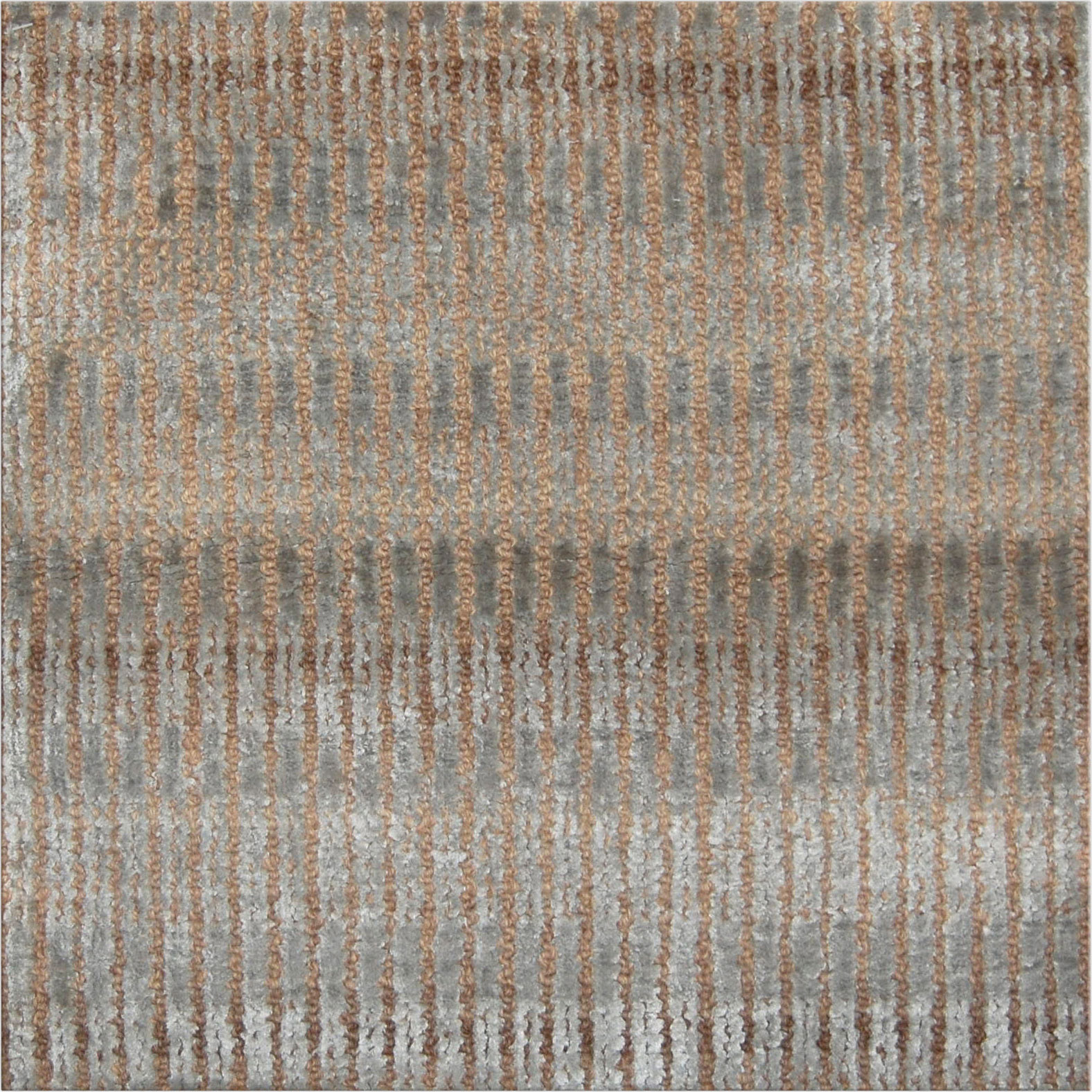
Custom rugs give a warm minimalist living room something standard sizes often cannot: a floor covering that respects the architecture, softens the acoustics, and stays visually calm without feeling sparse. In this kind of interior, the goal is not simply to add texture, but to define proportion with restraint, so the rug supports the seating plan, the circulation routes, and the palette all at once. A thoughtful specification turns custom rug design into a practical tool rather than a decorative afterthought.
Warm minimalism depends on control. Every object has to earn its place, which means the rug cannot be chosen only for color or mood; it has to work as a spatial device. The right made-to-order rugs can settle a room by connecting the sofa, chairs, and table into one legible composition, while the wrong dimensions make the space feel either scattered or overfilled. That is why the specification process matters so much: it is where softness, restraint, and scale are reconciled before a single knot is tied or loom picked up.
Start with the room’s dimensions, seating group, and circulation paths
The first step is not selecting a texture or a palette, but reading the room. Measure the full footprint, then mark the main seating group, the distance from the rug edge to walls or built-ins, and the paths people actually use to move through the space. In a minimalist living room, circulation is especially important because negative space is part of the composition; if the rug interrupts that flow, the room can feel cramped even when the furniture count is low. A well-scaled rug should define the conversation zone without forcing the eye to stop abruptly at the edge.
For most living rooms, the safest starting point is a rug large enough for at least the front legs of every major seat to rest on it, with a generous border around the grouping. In open-plan layouts, the rug may need to do more work by separating living, dining, and passage zones, so the dimensions should be adjusted to the architecture rather than copied from a template. This is where custom rugs are especially useful, because they can be sized to a room’s actual proportions instead of a retail standard that almost fits. If the sofa floats in the center of the room, the rug usually needs to be larger than expected to preserve balance.
There is also a difference between a room that is minimal and a room that is empty. A smaller rug can make furniture look as though it was placed on a stage, while an oversized rug can blur the edges of the plan in a useful way, creating a calmer field underfoot. To judge the right scale, sketch the rug shape directly onto a floor plan or mark it out with painter’s tape before finalizing the order. That simple test usually reveals whether the composition feels grounded, too compact, or overly expansive.
Choose pile, fiber, and finish based on the way the room is used
Material decisions should follow daily life, not just the desired mood. A warm minimalist living room often benefits from a tactile surface that reads quiet from a distance but feels substantial up close, which means pile height, weave density, and fiber choice all matter. Low to medium pile tends to suit rooms where clean lines and crisp furniture profiles are part of the design language, while a slightly denser construction can add acoustic softness in spaces with hard flooring, glass, or stone surfaces. The objective is not plushness for its own sake, but enough tactile depth to offset the room’s visual restraint.
Wool is a reliable starting point for many interiors because it offers resilience, a matte finish, and a naturally forgiving hand. It can ground a room without appearing shiny, which is especially helpful in minimalist settings where too much reflectivity can feel out of place. Silk, on the other hand, has a finer sheen and a more delicate surface character, so it reads more closely in relation to light and movement. In a living room that gets direct afternoon sun or heavy foot traffic, silk may be best used as a controlled accent, blended with wool or reserved for pattern details rather than the entire field.
Finishing is often overlooked, yet it strongly affects how a rug lives in the room. A subtle edge binding, a tailored border, or a carefully considered abrash effect can make the piece feel resolved without becoming decorative. If the furniture is spare and architectural, the finish should be equally disciplined, because a visually loud edge can undercut the serenity the room depends on. For families or frequent hosts, it is also wise to discuss how the rug will behave around spills, vacuuming, and rotating furniture, since good design in a lived-in room has to account for maintenance as well as appearance.
Map the rug to the architecture rather than only the furniture
A common mistake in custom rug design is treating the rug as a frame for the sofa set alone. In a warm minimalist living room, the rug should usually respond to the architecture first and the furniture second, because windows, fireplaces, beams, built-ins, and openings determine how the room reads. If a fireplace sits off-center, for example, the rug may need to be positioned so the seating area feels visually aligned with the hearth rather than with the walls. Likewise, a room with tall glazing may benefit from a rug whose proportions echo the vertical calm of the elevation, even if the furniture layout is slightly asymmetrical.
Pattern should also be architectural, not merely ornamental. Minimalist interiors often work best with a low-contrast design, but low-contrast does not mean featureless. A restrained linear motif, a tonal border, or a barely perceptible field variation can bring rhythm into the room without competing with the furnishings. The key is visual frequency: if the room already has strong window mullions, linear shelving, or fluted millwork, the rug should avoid introducing too many competing directions. When the architecture is simple, the rug can carry a little more articulation.
Room shape matters just as much as room style. A long, narrow living room may need a custom size that elongates the seating zone while preserving clear circulation at the sides, whereas a square room can handle a more centered composition with balanced margins all around. In unusual plans, an irregular rug outline can sometimes solve a spatial problem better than a rectangle, but only if the geometry feels intentional and related to the architecture. The point is to make the floor read as considered, not improvised.
Translate a moodboard into a working custom rug brief
Moodboards are helpful only when they become usable specifications. Instead of gathering vague references for “soft,” “calm,” or “warm,” organize the board by material, value, and texture: wood tone, stone tone, upholstery hand, metal finish, and any recurring lines or curves in the room. That process helps clarify whether the rug should be creamy and matte, beige with a hint of gray, or warmer and more grounded to support the rest of the palette. It also prevents the final piece from being based on one attractive image that does not actually belong in the space.
When preparing a brief for made-to-order rugs, be specific about what the rug must do. Should it soften a room with a lot of hard surfaces, quiet a large acoustic volume, or introduce enough tonal variation to keep the interior from feeling flat? Should the design disappear into the background, or should it create a subtle field that rewards close viewing? Clear answers to those questions help a workshop or design team propose the right weave structure, pile height, and palette, which is much more useful than asking for something simply “neutral.”
It also helps to describe the room in the language of use. Mention whether the living room is a place for long reading sessions, frequent entertaining, television viewing, or family gathering, because each use implies a different tactile and practical requirement. A room used in the evening may welcome a deeper, more cocooning surface under warm lighting, while a sun-filled room may need a cooler undertone to balance strong daylight. If you want a more tailored path through the selection process, custom rugs can be developed with those exact conditions in mind, from scale through finish.
A practical example: a quiet room with hard edges
Consider a living room with polished concrete floors, a low walnut sofa, one pair of linen lounge chairs, and a slim stone coffee table. The architecture is simple and rectilinear, but the room feels austere because the surfaces are reflective and the furniture sits visually low. A successful rug for this setting would likely be large enough to anchor the full seating conversation, with a surface that is soft to the eye rather than glossy, perhaps in a wool-forward construction with a subtle tonal border. The rug’s job is not to become the focal point; it is to mediate between hard floor, warm wood, and the quieter upholstery textures.
In that kind of room, a heavily patterned piece could easily overpower the furniture, while an undersized neutral rug would simply disappear. A better solution might be a pared-back design with slight textural variation or a barely perceptible striation that adds depth when light moves across the pile. This is a good example of why custom rug design is so valuable in warm minimalism: the best result is rarely the most obvious one. It is the one that makes the room feel complete without drawing attention to itself at every angle.
What to include in your specification before commissioning
A good specification saves time and produces a more coherent result. Before commissioning, gather the room dimensions, a floor plan or sketch, furniture measurements, photos from several angles, notes on flooring and wall finishes, and any color samples that will remain in the room. You should also note the amount of natural light, whether the room faces north or south, and how much foot traffic the rug will receive. These details shape the final recommendation as much as aesthetic preference does.
- Exact room measurements, including alcoves, fireplaces, and openings
- Furniture dimensions for sofa, chairs, coffee table, and any side tables
- Preferred rug placement relative to seating and circulation paths
- Primary materials and finishes already present in the room
- Any performance concerns, such as children, pets, or frequent entertaining
- Visual preferences for pile, tone, border treatment, and pattern density
When this information is assembled early, the design conversation becomes more precise. It is easier to compare wool against silk blends, low pile against denser textures, or solid fields against restrained pattern when the room’s practical demands are already clear. The best results usually come from treating the brief like an architectural document, not a wish list. That mindset helps ensure the rug feels as though it belongs to the room from the start.
Size mistakes to avoid in a living room
The most common error is choosing a rug that is too small. In a living room, undersizing makes furniture look disconnected and breaks the calm rhythm that minimalist interiors rely on. Another frequent problem is allowing the rug to stop exactly at the front of the sofa without enough margin for the chairs and table, which creates a tight, transactional feeling instead of a composed one. When in doubt, prioritize breadth and visual anchoring over saving a few inches of floor exposure.
A second mistake is ignoring the room’s main axis. If the rug is centered only on a coffee table but not on the seating group or the architectural focal point, the whole arrangement can feel slightly adrift. The same issue arises when the rug is placed with equal care relative to the walls but not to the actual path of movement through the room. A carefully chosen rug should guide the eye and the body naturally; it should not force either to negotiate awkward edges or abrupt transitions.
Finally, do not let quiet style become a reason to under-specify the design. Minimalism does not remove the need for detail; it just asks that detail be quieter and more disciplined. The right made-to-order rugs can include nuanced borders, subtle pile variation, or carefully calibrated color shifts that only become apparent as you live with the piece. Those are the kinds of refinements that make a room feel finished rather than merely furnished.
FAQ
What information should I gather before commissioning a custom rug?
Start with the room dimensions, furniture sizes, and a simple plan showing circulation routes. Add photos, notes on natural light, flooring material, wall color, and any existing textiles that will stay in the room. It is also helpful to define how the room is used, because a family living room, a formal sitting room, and a media space can each call for a different pile height, weave, and level of visual restraint. The more concrete the brief, the more accurately the rug can be tailored to the room.
How do wool and silk behave differently in a minimalist interior?
Wool usually reads softer and more matte, which makes it a strong choice for grounding a room with clean lines and a limited palette. Silk has a finer sheen and can catch light more dramatically, so it tends to feel more reflective and delicate. In a minimalist setting, wool often supports calm and warmth, while silk can be used strategically for highlights, pattern definition, or spaces with lighter use. The best choice depends on traffic, light exposure, and how much visual movement you want on the floor.
What size mistakes should I avoid in a living room?
A rug that is too small is the most common error, because it fragments the seating group and makes the room feel less settled. Another mistake is placing the rug without regard to the room’s main circulation path or architectural focal point, such as a fireplace or window wall. Avoid a size that forces chair legs off the rug entirely unless the room is very compact and the design intentionally calls for a tighter composition. In most living rooms, a larger rug with proper margins creates a more coherent and comfortable result.
Specifying a rug for a warm minimalist living room is ultimately an exercise in editing. The best outcome comes from balancing softness with discipline, then letting the architecture, the furniture, and the material all support one another without unnecessary emphasis. Doris Leslie Blau approaches that process through expert guidance, detailed material knowledge, and a sensitivity to proportion that helps each room feel resolved. If you are planning a project, specialist design advice can make the difference between a rug that simply fits and one that truly belongs.