

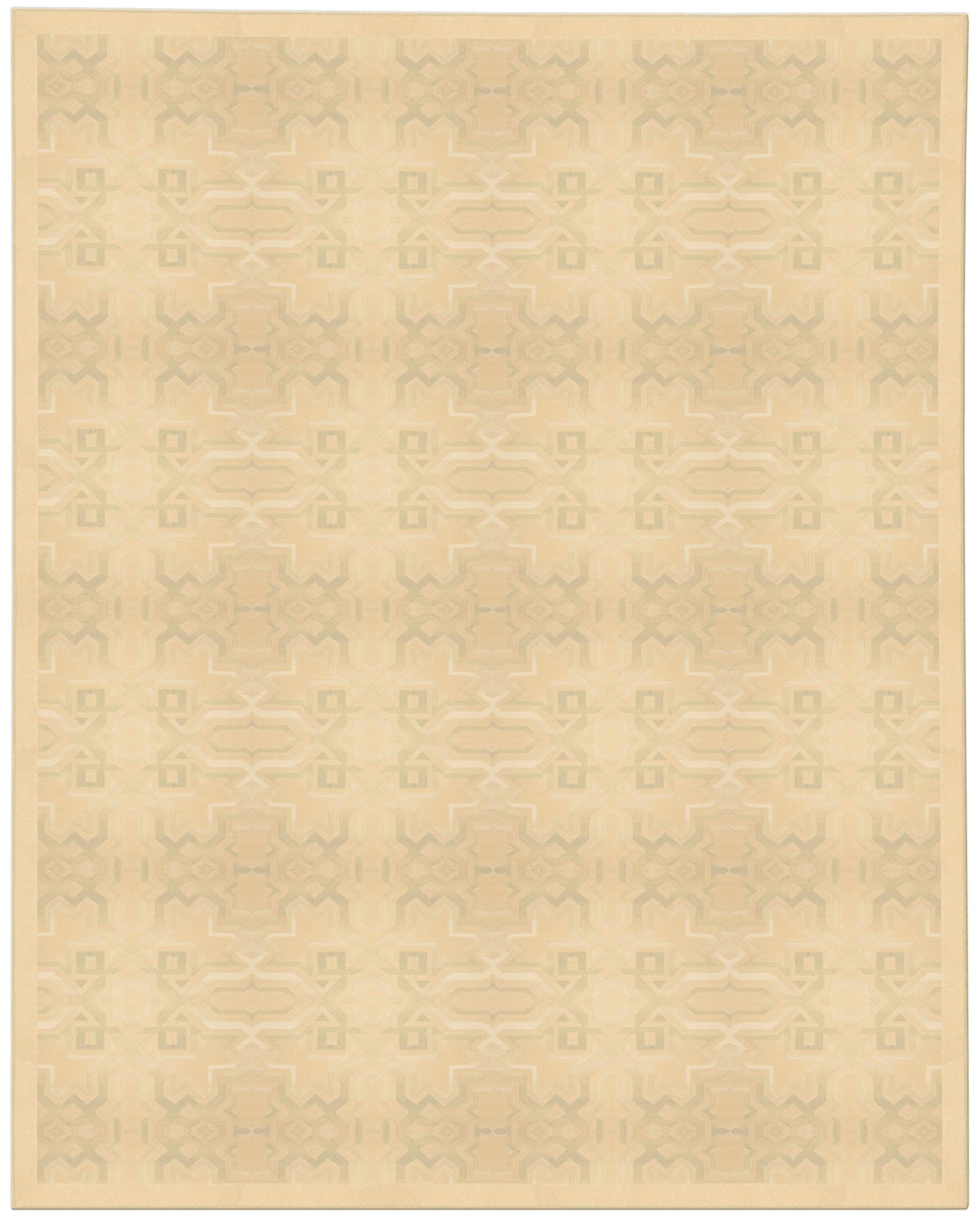
Warm minimalism depends on restraint, but restraint only works when the room feels grounded and complete. That is why custom rugs are often the most useful starting point in a living room that needs softness without clutter: they can be sized to the seating plan, tuned to the light, and calibrated to the architecture rather than forced to behave like a standard rectangle. When the rug is specified well, the room feels calm, intentional, and easier to live in. When it is undersized, overly glossy, or visually busy, the whole scheme starts to feel compromised.
For designers and homeowners alike, the challenge is not simply choosing something neutral. The real task is deciding how much visual weight the floor should carry, how tactile the surface ought to feel, and where the rug should stop so that circulation remains open. A living room with low-slung seating, pale timber, linen upholstery, and natural light needs a different solution than a similar room used by a family with pets, a fireplace, or strong evening lighting. Thoughtful custom rug design lets those conditions shape the specification instead of fighting against them. The result is a rug that feels edited, not blank.
Start with the room’s dimensions, seating group, and circulation paths
The first step in specifying a rug is not color or pattern; it is measurement. In a warm minimalist living room, the rug should support the furniture arrangement and define the zone without shrinking the room visually. Measure the full seating area, including the depth of the sofa, the arc of lounge chairs, and the coffee table footprint, then allow enough rug extension so at least the front legs of the major pieces can sit on the rug comfortably. That proportion matters because a rug that is too small makes even a generous room feel fragmented.
Circulation is equally important. Walk the space and note the natural routes between doorways, windows, shelving, and adjacent rooms, because the rug should reinforce those paths rather than interrupt them. If the room is open plan, the rug can act as a quiet boundary around the conversation area; if the room is enclosed, it may need to stretch farther to visually enlarge the footprint. A useful rule is to think in terms of breathing room at the perimeter, not just coverage in the center. Leaving an intentional strip of floor around the edges can sharpen the architecture, but the margin should be even enough to feel deliberate.
For homeowners comparing made-to-order rugs to ready-made options, this is where custom sizing becomes practical rather than indulgent. Standard sizes often force compromises around sofas, chair placement, or fireplace alignment, whereas a tailored rug can be drawn to the room’s exact geometry. In a narrow living room, for example, a slightly longer proportion may help the seating read as one integrated composition instead of two competing ends. In a square room, a custom square or near-square format may create more stability than a long rectangle that leaves awkward bands of floor on either side.
Choose pile, fiber, and finish based on the way the room is used
Material choice should follow lifestyle first and aesthetics second, because the most beautiful rug in the wrong construction will frustrate daily use. Wool is often the most dependable foundation for a minimalist living room: it offers softness, resilience, and a matte quality that sits quietly beneath furniture. Silk introduces a finer sheen and a more pronounced sense of detail, but in a bright room it can read more reflective and delicate, so it works best when used with intention, often as an accent or in a blended construction rather than as the sole answer. The question is not which fiber is better in the abstract, but which one supports the atmosphere you want to maintain.
Pile height should be considered alongside that fiber choice. A low to medium pile tends to suit a minimalist room because it keeps edges clean, makes furniture placement easier, and avoids creating visual heaviness. A deeper pile can feel inviting, but it may also absorb light and complicate the transition between rug and floor, especially when the room already relies on quiet materials. If the space has heavy use, consider a hand-knotted construction with a dense, practical pile that will age gracefully rather than flatten unevenly. custom rugs can be specified with that balance in mind, so the rug feels tailored to use, not just to appearance.
Finish matters more than many people expect. A highly lustrous surface can push a minimalist room toward formality, while an overly fuzzy or shaggy texture can blur the clean lines that make the style work. Look for a finish that complements the room’s existing tactile language: brushed plaster, oiled oak, stone, linen, or matte lacquer all prefer a rug with some softness but not excessive sheen. If the living room needs acoustic absorption, a slightly fuller hand can help soften sound without making the floor appear heavy. The most successful specification usually combines visual restraint with a tactile surface that feels pleasant underfoot.
Map the rug to the architecture rather than only the furniture
Warm minimalism succeeds when the rug acknowledges the room’s architectural logic. That means noticing window lines, fireplace centers, ceiling beams, built-ins, and the way daylight moves across the floor. A rug centered only on the coffee table can look disconnected if the fireplace is the real visual anchor. Likewise, a rug that follows furniture alone may ignore a strong axis established by a pair of windows or a long wall of millwork. Custom rug design gives you enough control to align the floor covering with those larger spatial cues.
If the room has an offset fireplace, for instance, the rug may need to be centered on the conversation area rather than the mantel, but its edges should still respect the room’s geometry so it does not feel arbitrarily placed. In a living room with a bay window or an alcove, the rug can help translate an awkward outline into a more coherent seating zone. A subtle border, abrash, or tonal field can further reinforce that relationship without announcing itself too loudly. The point is to make the rug feel as though it belongs to the room’s structure, not as though it was dropped on top of it after the furniture arrived.
This is also where proportion and pattern density become architectural tools. A sparse field with slight tonal variation can calm a room that already has strong lines, while a more defined pattern can help organize a broad expanse of floor. For minimal interiors, the goal is rarely decorative drama; it is a measured rhythm that keeps the eye moving without fragmenting the space. In that sense, the rug becomes part of the room’s grammar. It teaches the eye where to pause.
Translate a moodboard into a working custom rug brief
Moodboards are useful, but only if they are translated into specific instructions. A collection of linen swatches, travertine samples, and walnut images tells you a lot about tone, yet it still leaves unanswered questions about value contrast, scale, and construction. When commissioning made-to-order rugs, convert the moodboard into practical language: warm or cool neutral, matte or lustrous, closely clipped or slightly plush, tonal or lightly variegated. That translation step is what turns inspiration into a viable object.
A helpful brief should include at least five points: room dimensions, furniture layout, dominant materials, amount of natural light, and the practical demands of the household. If the space is used for reading and conversation, the rug may benefit from soft texture and acoustic dampening. If children or pets are part of the daily reality, the surface should be more forgiving, with a construction that is easier to maintain. If the room is washed in afternoon sun, yarn selection and color depth should account for fading risk over time. The more specific the brief, the less likely the finished rug will drift away from the room’s actual needs.
One realistic example: imagine a living room with a 10-foot sofa, two compact lounge chairs, pale oak flooring, and a wall of south-facing windows. A strong white rug might look elegant at first, but in that light it can become flat and unforgiving. A better solution could be a warm ivory field with subtle heathered variation, a low pile for clean furniture placement, and dimensions that allow the front legs of all seating pieces to land on the rug while leaving a controlled border of floor around the perimeter. That specification would preserve the minimalist mood while giving the room a softer, more lived-in temperature.
Common specification mistakes in a warm minimalist living room
The most frequent error is under-sizing. A rug that stops too short of the seating area makes the arrangement feel provisional, which is the opposite of what a tailored room should convey. Another common mistake is choosing a pattern that competes with the architecture rather than quietly organizing it; in minimalist interiors, even a small amount of contrast can dominate if the room is otherwise very restrained. Gloss is another risk, particularly in rooms with abundant daylight, where reflective surfaces can start to feel sterile rather than soft.
It is also easy to overcorrect in the name of simplicity. A rug that is technically neutral but visually empty can leave the room feeling unfinished, especially if the furniture is low and the palette is disciplined. Texture becomes essential in those cases, because tone alone may not provide enough depth. This is why hand-knotted rugs are often so effective in minimalist settings: their craftsmanship creates subtle surface life without requiring strong pattern. The rug remains quiet, but it is never inert.
When comparing options, keep one practical question in mind: does the rug clarify the room or merely occupy it? If it sharpens circulation, supports the furniture group, and enhances the material palette, it is doing its job. If it introduces awkward edges, fights the room’s lines, or asks the furniture to compensate for its size, the specification needs revision. A good rug should make the architecture easier to read, not harder.
What to include in a custom rug brief
- Exact room dimensions, including any alcoves, fireplaces, or irregular wall lengths
- Furniture measurements and the intended seating layout
- Preferred fiber direction, pile height, and tactile feel
- Lighting conditions, especially strong sun, shadow, or evening lamplight
- Traffic level, pets, children, and maintenance expectations
- Palette references from flooring, upholstery, woodwork, and wall finishes
- Any architectural lines the rug should align with, such as a fireplace or window wall
Once those points are clear, it becomes easier to judge whether the rug should be nearly invisible or gently expressive. Some rooms need a field that recedes so the architecture and furniture can lead; others need a restrained motif that gives the eye a place to land. Either way, the rug should feel resolved from every angle, not only in a straight-on photograph. That is the advantage of working with a specialist who understands scale, proportion, and construction as part of one design decision.
FAQ
What information should I gather before commissioning a custom rug?
Start with room dimensions, furniture measurements, circulation routes, natural light conditions, and a clear idea of how the room is used day to day. It also helps to gather flooring samples, upholstery swatches, and photos of the space from multiple angles. If you are discussing custom rug design with a specialist, note whether the room needs softness, durability, acoustic control, or a more sculptural presence. The more concrete the brief, the more accurately the rug can be scaled and built for the space.
How do wool and silk behave differently in a minimalist interior?
Wool usually reads softer and more grounded, with a matte finish that suits restrained interiors. Silk brings a finer sheen and can reveal pattern or texture with more precision, but it also reflects light more strongly. In a minimalist living room, wool is often the more forgiving everyday choice, while silk is useful when you want a subtle glow or want specific motifs to appear with greater clarity. Blended constructions can offer a middle ground when you want both structure and light play.
What size mistakes should I avoid in a living room?
The biggest mistake is choosing a rug that is too small for the seating group, because it can make the entire room feel disconnected. Another common issue is stopping the rug before the front legs of the sofa and chairs can comfortably sit on it, which breaks the composition apart. You should also avoid leaving uneven border gaps that make the rug seem accidental rather than planned. If the room is irregular, a custom size is often the cleanest way to preserve balance.
Can custom rugs help unify an open-plan living room?
Yes, especially when the living area needs to read as a distinct zone without building physical barriers. A well-proportioned rug can define the conversation area, soften sound, and create a visual anchor that separates lounging from dining or circulation. In open-plan rooms, color temperature and pattern density matter as much as size, because the rug has to hold its own without competing with the rest of the plan. That is one of the clearest advantages of custom rugs in larger layouts.
For a living room that needs softness, restraint, and precise proportion, the best next step is often a conversation with a specialist who can translate measurements and material preferences into a clear specification. Doris Leslie Blau works with clients who want more than a standard size solution, offering guidance on custom carpets, scale, and texture so the finished piece feels integral to the room rather than added after the fact.