

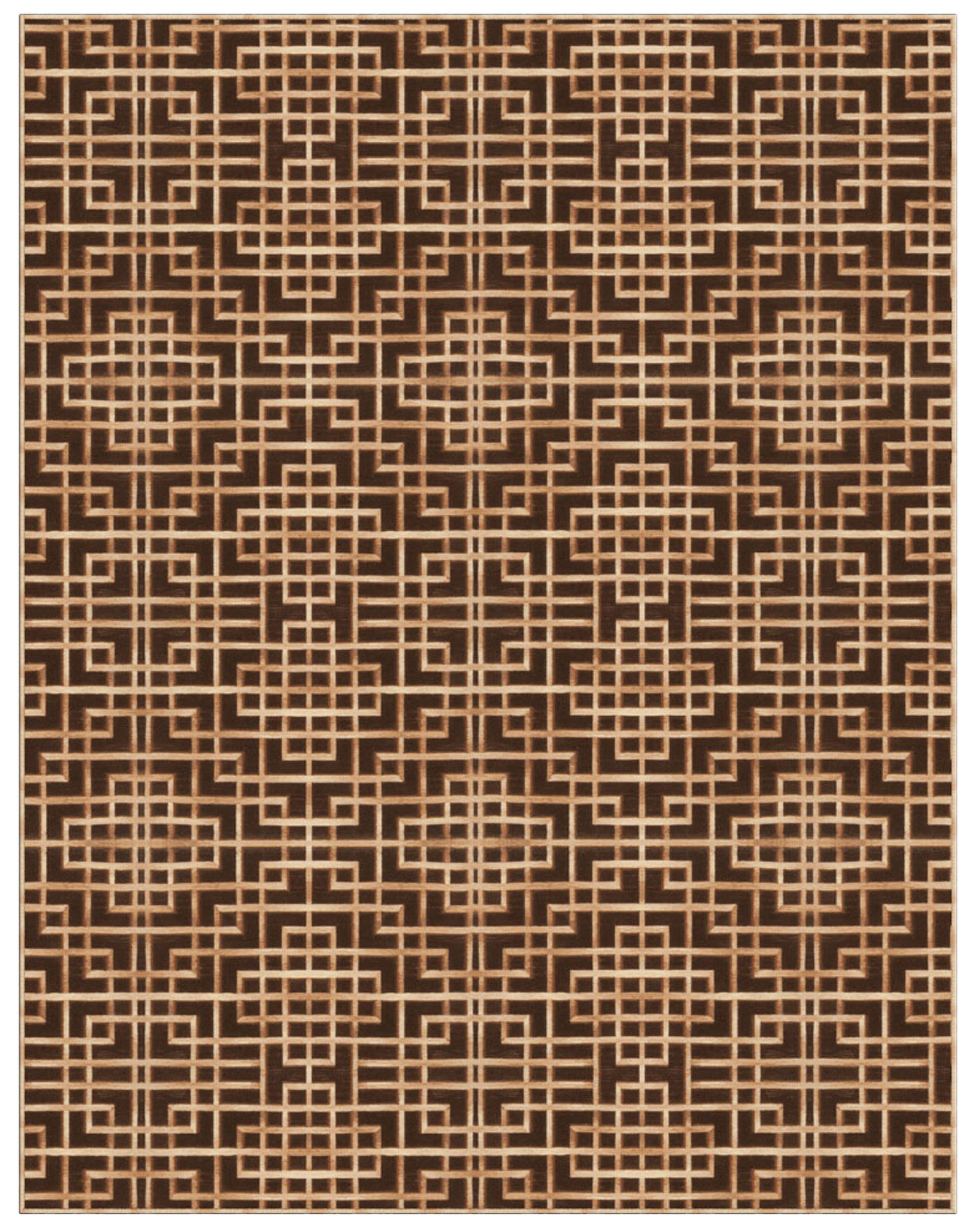
Layering rugs can solve a space problem, but it can also create one if the proportions are vague or the materials compete. When done well, the technique adds softness, visual depth, and a clearer sense of zoning without forcing a room to rely on a single oversized surface. It is especially useful for renters, collectors, and interiors that need a bit more warmth underfoot than one rug can comfortably provide. The key is to treat the arrangement as a composition, not an afterthought.
For designers, the question is rarely whether layered rugs can work. The better question is what job each rug is meant to do: one establishes scale, another introduces texture, and a third can quietly correct an awkward footprint or furniture layout. That distinction matters because layering should look deliberate from the threshold and still feel calm when you are sitting in the room. If the rugs are chosen only because they are available, the result tends to read as clutter rather than depth.
This is one reason custom rugs often enter the conversation. A room with unusual dimensions, a challenging seating arrangement, or a strong architectural axis may need a base rug that is sized with precision rather than compromise. In those cases, layering becomes a design tool rather than a workaround, especially when the room calls for a broader field of color or a cleaner frame around furnishings.
Choose which rug should anchor the composition
Every layered arrangement needs a visual anchor, and that anchor is usually the larger rug. It should define the room’s main geometry, whether that means sitting beneath a sofa grouping, extending beyond a bed, or grounding a reading corner. The top rug can then be treated as an accent layer, not a second foundation competing for attention. This hierarchy is what keeps the composition legible.
In practice, the anchor rug should usually be calmer in pattern or broader in scale than the rug above it. A subtle ground layer can support a more expressive smaller rug, or a richly patterned antique can sit over a quieter neutral field. The important point is contrast with control: one rug sets the room’s perimeter, and the other sharpens the focal point. Without that distinction, the eye has nowhere to rest.
Material choice also affects which rug should lead. A dense wool ground can handle furniture weight and daily traffic, while a thinner decorative rug may be better suited as the upper layer where it will be seen more than walked on. For homes that favor hand-knotted rugs, the visible layer can bring in craftsmanship and detail while the base remains visually restrained. The arrangement should make the most refined part of each rug visible without exposing it to unnecessary wear.
Keep scale and edge clearance under control
Scale is the difference between a layered look that feels composed and one that feels accidental. As a rule, the lower rug should extend far enough beyond the upper rug to create a clear border on all sides, even if that border is asymmetrical in an informal room. When that margin is too narrow, the upper rug looks pasted on; when it is too wide, the upper rug can feel undersized and disconnected from the furniture.
Edge clearance matters even more when furniture is involved. A sofa leg resting on the base rug but barely touching the top rug can make the arrangement look unstable. In a seating area, the layered composition is strongest when the main furniture pieces relate to the base rug while the upper layer is centered within the conversational zone. That creates a sense of order without requiring rigid symmetry.
Rooms with unusual proportions benefit most from this kind of discipline. A long gallery-like living room, for example, may need a large ground rug to establish width, with a smaller rug used under a coffee table or in front of a fireplace to break the length into readable sections. In that scenario, custom oversized rugs can be especially useful because they prevent the lower layer from feeling too small for the architecture. A precise border is not a decorative detail; it is what tells the eye where the room begins and ends.
Mix pattern and texture without clutter
Layering works best when pattern and texture play different roles. If both rugs are highly patterned, the room can lose focus unless the color palette is extremely disciplined. If both are too flat, the result may be technically correct but visually lifeless. The strongest pairings often combine a quiet ground with a rug that contributes either more pattern density or a clearly different weave structure.
Rug texture is as important as color when the goal is a layered look that feels finished. A low-pile flatweave beneath a softer hand-knotted rug, for example, gives the upper layer room to stand out while still adding tactile depth to the floor. Conversely, a nubby or bouclé-like texture below can make a smoother rug appear more tailored and architectural. What matters is that the two surfaces are distinct enough to register, but related enough to feel intentional.
There is also a practical side to this pairing. In rooms with strong sunlight, a more durable base can absorb wear and help protect a finer top layer from overexposure. In family rooms, the lower rug may contribute softness underfoot while the upper rug provides the visual identity of the space. When the materials are chosen with the room’s use in mind, the layered composition can feel as thoughtful as any built-in detail.
Color temperature should be considered alongside texture. Warm ivory over warm taupe behaves differently from ivory over cool gray, especially in spaces with mixed natural and artificial light. A successful palette usually repeats one family of undertones so the rugs feel connected even when the patterns differ. This is where a restrained approach often reads as more luxurious than a crowded one.
Use layering to fix awkward dimensions or zones
Layering is often at its most useful in rooms that do not lend themselves to a single perfect rug. An open-plan living and dining area may need one rug to define the seating zone and another to soften the transition near circulation space. A bedroom may call for a larger ground rug to extend beyond the bed, then a smaller accent rug to bring focus to a bench, chaise, or dressing area. In each case, the second rug clarifies use rather than merely decorating the floor.
This approach is also effective when the architecture creates a zone that feels too sparse or too broad. A slim apartment living room can benefit from one rug that anchors the main furniture and another, smaller piece that creates a landing point near a window or reading chair. In a larger room, the reverse may be true: the base rug can unify the expanse, while the upper rug gives one section of the room a more intimate scale. Layering becomes a form of spatial editing.
For collectors who enjoy antique-meets-modern interiors, layered rugs can bridge eras without forcing everything into one style. An antique fragment can sit over a contemporary wool ground, or a geometric flatweave can soften the formality of a finely detailed traditional piece. The goal is not contrast for its own sake, but a conversation between surfaces that share one or two clear visual values, such as color depth, hand feel, or rhythm. When the relationship is right, the room looks considered rather than decorated.
In some homes, the motivation is simply comfort. A hard floor can benefit from a layered composition that improves acoustics, adds tactile warmth, and makes a seating area feel more approachable. In others, the reason is practical protection, especially under tables or in transitional spaces where one larger investment piece would be exposed to more traffic than necessary. Whatever the reason, the arrangement should solve a problem first and express style second.
Material choices that make layering easier
The most successful layered rugs usually share one thing: a clear difference in construction. Flatweaves are excellent as a lower layer because they stay visually quiet and do not add excessive height under furniture. Wool pile offers structure and resilience, while silk accents or finer mixed-fiber pieces are often best reserved for the top layer where detail can be appreciated. If the rugs are too similar in construction, the stack can feel redundant rather than dimensional.
Pile height affects both appearance and function. A thick rug over another thick rug can create an awkward step at the edges and may make chair movement or door clearance more difficult. A low-pile foundation with a medium-pile accent usually gives enough contrast without interfering with use. That is especially important in dining or circulation areas, where the composition needs to look elegant while still accommodating daily movement.
Durability should not be overlooked. In a room used by children or pets, the lower rug may need to be the hard-working layer, while the upper piece acts as a more controlled visual statement. In formal rooms, the roles may reverse, with the base rug providing a measured field and the upper rug supplying delicacy or historic character. The point is to match each rug’s material behavior to its place in the hierarchy of the room.
A simple way to test whether the arrangement works
- Place the larger rug first and confirm that it suits the room’s proportions and furniture footprint.
- Set the smaller rug where the eye naturally wants emphasis, such as under a table, in front of seating, or at the foot of a bed.
- Check the border around the top rug from multiple angles to make sure it feels balanced rather than random.
- Look for one clear relationship between the rugs: shared color, contrasting texture, or a repeated motif.
- Step back and view the room from the entry point, not only from a seated position.
If any one of those steps fails, the answer is usually not more decoration. It is better proportions, a quieter palette, or a more suitable construction. Designers often refine the arrangement by adjusting the lower rug first, because that is the piece that determines whether the layered look feels grounded. Once the base is correct, the upper rug can do much more with much less.
When layering feels most natural in formal rooms
Layering can absolutely work in formal interiors, but it should be handled with restraint. The most polished versions use tailored shapes, disciplined borders, and materials that feel intentional rather than improvised. A formal sitting room may pair a broad neutral foundation with an antique or finely patterned rug centered beneath a coffee table, allowing the room to retain its gravity while adding more visual softness. The layer should look curated, not casual.
Symmetry can help in these settings, though it is not mandatory. What matters more is alignment with the architecture and the furniture. If the room has a strong mantel, central chandelier, or paneled walls, the rugs should reinforce those axes rather than compete with them. In formal spaces, rug texture often does more work than dramatic color, because it introduces warmth without sacrificing composure.
For clients who prefer bespoke rugs or made-to-order rugs, layering can also be a way to introduce nuance without changing the room’s overall architecture. A carefully sized base rug may correct proportions, while a second rug adds the individuality that gives the room character. That approach is especially effective in spaces where the furnishings are refined but the floor still feels unresolved. When the proportions are right, the room reads as edited rather than overdesigned.
FAQ
When is layering better than buying one large rug?
Layering is often the better solution when the room has an awkward footprint, when you want to define more than one zone, or when a single large rug would feel too visually heavy. It is also useful if you want to preserve a special rug while still adding warmth and scale beneath it. In many cases, the layered approach gives more flexibility than a single piece because each rug can solve a different design problem.
What textures layer well together?
Flatweave with pile is one of the most reliable combinations because the contrast in height creates definition without bulk. Wool beneath silk can also work if the lower layer is quiet enough to support the finer surface above it. In general, the best pairings use one rug for structure and another for tactile emphasis, rather than two rugs with the same visual weight.
Can layering work in formal rooms?
Yes, as long as the arrangement is controlled. Formal rooms benefit from precise placement, restrained borders, and material choices that feel tailored rather than improvised. A layered composition can add softness and depth to a formal interior without undermining its sense of order.
How do custom oversized rugs help with layering?
They are especially useful when the base layer needs to fit the room exactly instead of approximating the architecture. A well-sized foundation rug can make the upper layer look deliberate and prevent the arrangement from floating awkwardly in the space. That is often the difference between a layered floor plan that feels designed and one that feels assembled.
Layering rugs is most convincing when it behaves like good editing: one clear foundation, one purposeful accent, and enough breathing room for both to be seen. If you are weighing proportions, materials, or the right way to zone a room, a specialist can help you consider the room’s architecture, traffic, and texture together. Doris Leslie Blau’s gallery expertise can be a useful point of reference when you want the layering to feel resolved rather than improvised.