

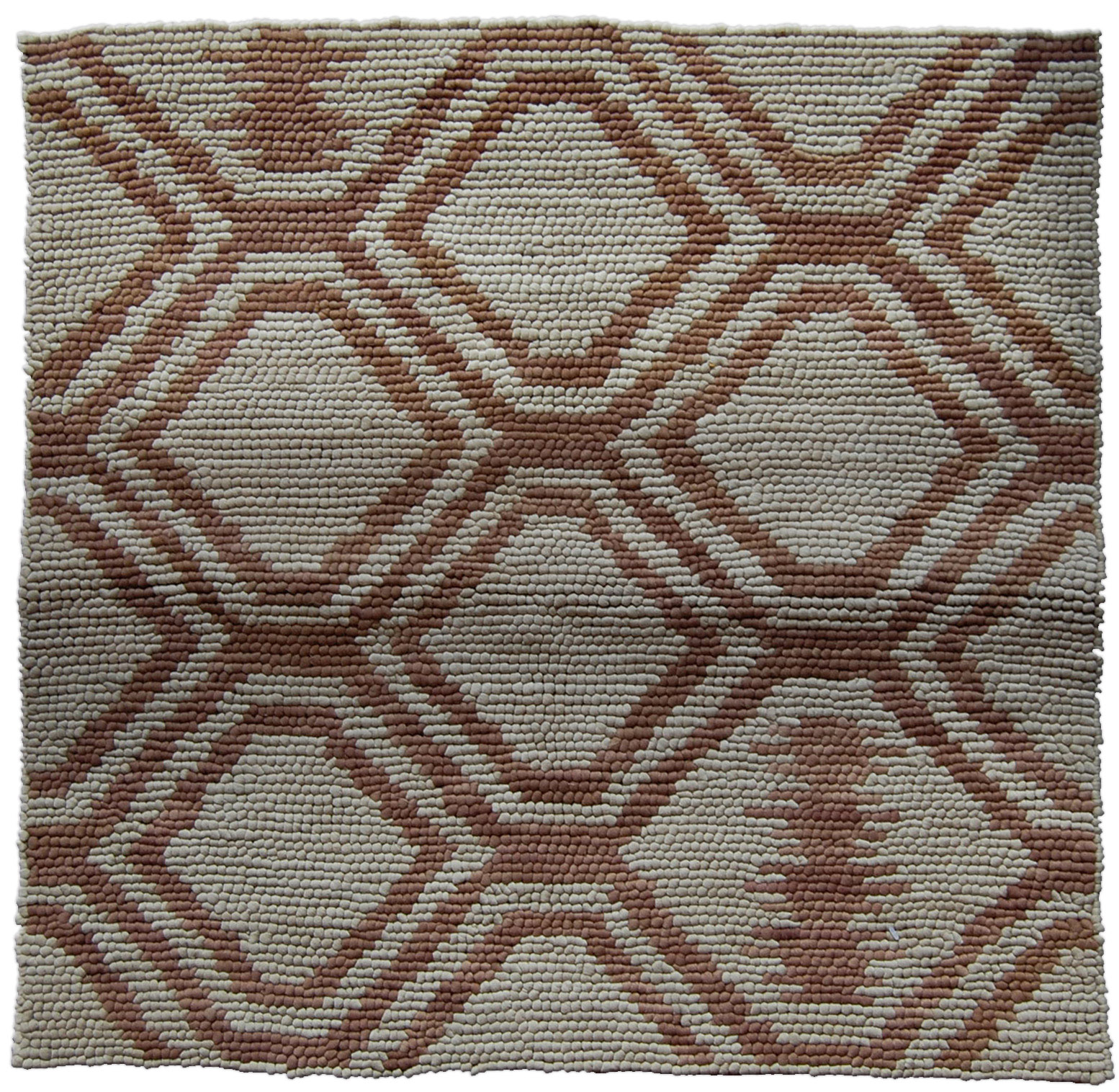
Choosing rugs for a child’s room is not a matter of settling for something “practical” and hoping it does not look out of place. The right rug can support daily play, soften acoustics, and still feel at home in a refined interior. With the right material, pile, color, and scale, custom rugs can handle family life while preserving the clarity of the room’s design.
Parents often ask how to choose rugs for children without giving up the visual discipline of the rest of the house. The answer begins with recognizing that a child’s room has two design jobs at once: it needs to be livable, and it needs to hold together aesthetically as furniture changes, toys accumulate, and the room eventually shifts from nursery to school-age bedroom. That means the rug should not be treated as an afterthought. It should be specified with the same care as upholstery, lighting, and window treatment fabrics, because it has a direct effect on comfort, proportion, and how finished the room feels.
For luxury interiors, the best child-friendly rug is rarely the loudest one in the room. It is the one that quietly supports the palette, allows the furniture to read correctly, and offers the right balance of rug softness and rug durability. In practice, that often means choosing a thoughtfully constructed wool rug, a finely made blend, or a custom-made piece with dimensions and finish tailored to the room. The goal is not to make the room precious. The goal is to make it resilient without becoming visually heavy.
Prioritize softness, cleanability, and stability
When a rug is going into a child’s room, softness matters for more than comfort. A softer surface encourages sitting, reading, floor play, and quiet movement, which can make the room feel calmer and more usable. At the same time, the rug should not be so delicate that it becomes a source of anxiety every time a cup tips or a toy gets dragged across it. That is why fiber selection and construction are more important than surface appearance alone. A well-made wool rug often offers a strong combination of tactile comfort, stain resistance relative to many natural fibers, and long-term structure.
Pile height also changes the experience of the room. A medium or low pile is often easier to live with than a deeply plush surface, especially if the room contains wheeled toy bins, drawer units, or a crib or bed frame that shifts slightly over time. Lower pile can reduce tripping at transitions and make vacuuming easier, which matters when you are balancing rug durability with daily maintenance. If the design calls for more softness underfoot, consider how the rug is made rather than simply how thick it looks in a photograph. Hand-knotted rugs, for example, can feel substantial and refined without relying on excessive pile.
Stability is equally important. In a child’s room, a rug that creeps, curls, or slides can create constant friction with the rest of the furniture arrangement. The underlay or backing should be specified with the same seriousness as the rug itself, particularly on hardwood or polished stone floors. A rug that stays visually and physically anchored will make the bed, nightstands, and reading chair feel more intentional, which is essential when the room needs to function as both a play space and a composed interior. If the room is large, a properly proportioned rug can also reduce the sense of emptiness that sometimes makes children’s bedrooms feel less finished than the rest of the home.
Material choices that work hard without looking hard
Wool remains one of the most dependable options because it provides good resilience, a pleasant hand, and visual depth. It also tends to photograph well in daylight and under warmer evening lighting, which is useful in rooms that serve as both active daytime spaces and winding-down spaces at night. For families who want a cleaner, more tailored look, a tightly woven wool construction can create a crisp edge and a more architectural presence. If extra softness is a priority, fiber blends or carefully selected pile constructions can be used to tune the surface without losing composure.
Silk accents or silk-rich detailing can be beautiful in a child’s room if they are used with restraint and placed where they will not be exposed to the most wear. A subtle sheen can make a pattern feel more layered and can add sophistication to quieter palettes. Still, for rooms that will see heavy use, it is wise to prioritize the part of the rug that does the practical work first. A good design team will think in terms of touch, traffic, and placement rather than material prestige alone. That is where custom rugs are especially useful, because they allow the specification to match the family’s real habits instead of a generic product category.
If you are comparing options, think in terms of zones rather than just style. The area beside the bed may benefit from greater softness, while the central play area may need a flatter, more forgiving surface. In a custom rug design, those needs can sometimes be reconciled through size, pile, and pattern placement rather than compromise. This is also where a discussion with a specialist can clarify whether a hand-knotted structure, a denser woven construction, or a tailored shape is best for the room’s use pattern. For projects that require precise dimensions, the custom rugs process can be particularly effective because it lets the rug respond to the room instead of forcing the room to adapt to the rug.
Choose colors and patterns that age well
A child’s room changes quickly, and the rug should be able to survive those changes without looking dated after one developmental stage. The safest route is not necessarily beige or white. It is a color strategy that can absorb changing bedding, wall color, and accessories without becoming visually noisy. Muted ground colors, layered neutrals, and controlled contrast often perform better than highly saturated novelty palettes because they continue to work when toys, books, and art supplies inevitably enter the picture. The room feels calmer, and the rug remains part of the design rather than competing with it.
Pattern is equally important. A pattern with enough structure to disguise small marks and the visual clutter of everyday life can be invaluable, particularly in rooms where children spend time on the floor. Geometric borders, softened repeats, tonal motifs, and antique-inspired field patterns can all be appropriate if they suit the room’s architecture and furniture. The most effective patterns in children’s interiors are often the ones that do not announce themselves immediately, but become richer as you live with them. They protect the design from looking too fragile while keeping the room visually coherent.
Color temperature matters more than many homeowners realize. A cool gray rug can feel too stark in a room with warm wood furniture, while a golden or taupe ground may harmonize better with painted millwork, cream upholstery, or brass hardware. In north-facing rooms, some warmth in the rug can prevent the space from feeling washed out; in bright south-facing rooms, a slightly cooler palette may provide balance. The best choice depends on the room’s natural light, not just the mood board. When the palette is handled well, the rug quietly links architecture and furnishings rather than sitting apart from them.
If you are drawn to bolder pattern, consider pattern density and scale before committing. Large motifs can feel more contemporary and less fussy, while smaller, busier repeats may read as energetic but can also make a room feel visually crowded if the furniture is already elaborate. A child’s room with sculpted millwork, patterned wallpaper, or heavily detailed bedding usually benefits from a rug with more open ground. By contrast, a very pared-back room can support a more expressive floor covering. The right balance keeps the eye moving comfortably without overloading the space.
Avoid common placement issues around beds and storage
One of the most common mistakes in children’s rooms is specifying the rug before resolving the furniture layout. A rug that is too small can make a bed look like it is floating unanchored in the room, while a rug that extends awkwardly under only one side of the bed can create a lopsided effect. Ideally, the rug should connect the major furniture pieces in a way that feels intentional from the doorway. In smaller rooms, this might mean a rug that extends enough beyond the sides and foot of the bed to provide softness where feet land in the morning, but not so far that it fights with closet doors or toy storage.
Storage also affects rug placement. Drawers that open toward the floor, toy chests that shift positions, and storage benches with regular foot traffic can all create wear patterns if the rug is not planned carefully. It is often better to allow a small, practical buffer between the edge of the rug and a high-use storage zone than to force a perfect rectangle into a room that does not actually support it. In designer specification, proportion is not just about beauty; it is about allowing everyday movement to happen gracefully. That is especially true in rooms where adults need to navigate around sleeping, dressing, and play areas without constant adjustment.
Door swings and circulation paths deserve attention as well. A plush edge that catches under a door, or a rug corner that interrupts the natural route from entry to bed, will quickly become a daily annoyance. In a child’s room, that annoyance can lead to pulled edges, shifted furniture, and a rug that never quite looks settled. Measuring for rug scale should account for these movements before the final order is placed. If the room has an unusual plan, a more tailored shape or a considered border solution may be better than a standard rectangle.
For rooms that need more exact planning, a designer’s approach to custom rug sizing guide thinking can be invaluable even when the final rug is not being made from scratch. The same logic applies: map the furniture, identify traffic paths, and decide what the rug needs to hold visually. That process helps prevent the most common layout errors and produces a room that feels composed rather than overstuffed. In family spaces, that composure is worth as much as any decorative detail.
Think about how the room will evolve
The smartest child’s room rugs are designed with the next few years in mind, not just the current stage. A nursery rug that works beside a crib should also remain credible once the bed is larger, the storage changes, and the room becomes more autonomous. This is where restrained pattern and mature color work to your advantage. They give the room a stable backbone so that bedding, lamps, and art can change without forcing a new rug purchase each time the child’s taste shifts. Long-term thinking is not only economical; it is also more sustainable from a design standpoint.
It is also worth considering how the room will feel at different times of day. Morning light can reveal every tonal shift, while evening lamps can make texture and pile read more warmly. A rug that looks charming in daylight but muddy at night may not support the room across its full use cycle. Likewise, a highly reflective surface can feel less restful when the room is meant to settle down before bed. The most successful rugs for children’s interiors hold their character under changing light, which is one reason material, weave, and color should be evaluated together.
As children grow, their rooms often absorb more of their personality. That does not mean the rug must become louder. It can instead provide a neutral but sophisticated field that allows books, artwork, and textiles to change around it. A family focused on longevity may choose a custom carpet approach with a quiet palette and a nuanced border, or a tailored pattern that can transition from early childhood to the school years with minimal disruption. In those cases, the rug is not just a soft surface; it becomes a structural part of the room’s identity.
If the room also has to serve as a guest room, playroom, or study corner, think about whether the rug can support multiple arrangements. A well-sized rug can define a reading nook, frame a bed, and still leave enough open floor to feel breathable. That kind of flexibility is especially useful in urban homes and smaller bedrooms where every square foot matters. For families who value design continuity across the house, custom rugs can keep the child’s room aligned with the home’s larger language rather than feeling like an isolated exception.
FAQ
What rug is easiest to live with in a child’s room?
A medium- to low-pile wool rug is often the easiest to live with because it balances comfort, resilience, and maintenance. It usually feels soft enough for floor play while staying more practical than a very deep pile. If the room gets heavy use, choose a construction that holds its shape and a pattern that helps disguise everyday wear.
Should I choose a bright or quiet pattern?
In most refined interiors, a quieter pattern is easier to sustain over time. It gives the room more flexibility as toys, bedding, and wall art change, and it is less likely to make the space feel busy. Bright patterns can work, but they tend to be most successful when the rest of the room is visually restrained and the pattern scale is carefully considered.
Can a custom rug be practical for family life?
Yes. A well-specified custom rug can be more practical than a standard option because it can be sized to furniture, traffic paths, and storage zones. It also allows you to choose materials and construction with the room’s actual use in mind. For family life, that kind of fit often matters more than having an off-the-shelf option that is technically available but visually awkward.
How do I keep the room feeling elegant if it needs to be very functional?
Start with proportion, then choose a rug whose color and pattern support the architecture rather than competing with it. When the rug aligns with the bed, cabinetry, and circulation, the room feels intentional even if it is full of activity. A disciplined palette and the right pile height will usually do more for elegance than adding decorative complexity.
For families and designers alike, the most successful children’s rooms are the ones where usefulness and restraint are treated as equals. If you are weighing materials, scale, or a tailored shape for a room that needs to do real work, Doris Leslie Blau can help you think through the details with a specialist’s eye. The right guidance turns a rug from a temporary solution into part of the room’s lasting design.