

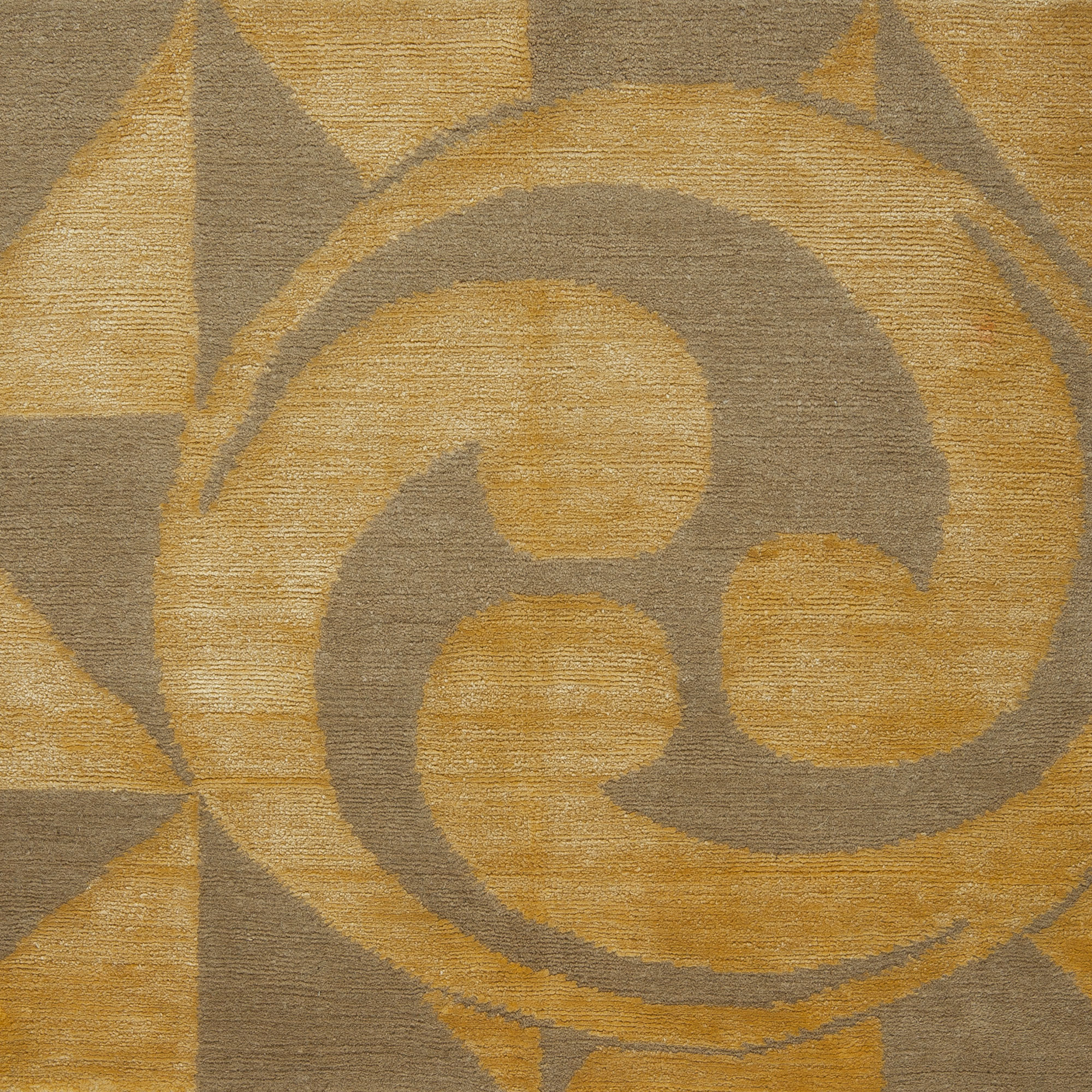
Understanding the Custom Rug Process
The creation of a custom rug is a structured process shaped by both design intent and technical realities. While the final piece may appear effortless, every decision along the way influences performance, appearance, and longevity.
A successful custom rug balances visual goals with practical considerations, ensuring that craftsmanship serves the interior rather than overpowering it.
Materials and Fiber Selection
Material choice defines how a rug feels, wears, and interacts with light. Different fibers offer distinct characteristics in terms of texture, sheen, resilience, and maintenance.
When specifying custom rugs, material selection should respond to:
-
foot traffic and usage patterns
-
acoustic needs
-
desired surface texture and visual depth
In some interiors, subtle tonal variation and softness are essential. In others, structure and definition take precedence. The right material supports the intent of the space rather than competing with it.
Construction and Weave Decisions
Construction methods influence both aesthetics and durability. Pile height, knot density, and weaving technique all affect how a rug reads within an interior.
These technical choices determine:
-
how crisp or diffuse a pattern appears
-
how the rug interacts with surrounding finishes
-
how it will age over time
Understanding these variables allows designers to make informed decisions early in the specification process, avoiding unnecessary revisions later.
Craftsmanship as a Design Tool
Craftsmanship is not an abstract concept. It directly impacts consistency, finish quality, and the fidelity of the final design. In custom rug production, attention to detail ensures that proportions remain accurate, colors are controlled, and surfaces behave as intended.
This article series highlights how craftsmanship supports design clarity rather than serving as a decorative statement on its own.
To understand how these elements come together in real projects, visit our custom rugs program overview.