

Why Specification Matters
Specifying custom area rugs is a critical step in shaping an interior. A well-specified rug reinforces spatial clarity, while a poorly considered one can undermine even the strongest design concept.
Custom area rugs allow designers to work with precision, but they also require clear coordination between layout, materials, and approvals.
Sizing and Layout Coordination
Sizing begins with understanding how furniture occupies the space. Rugs should support seating arrangements, circulation paths, and transitions between zones.
Key considerations include:
-
allowing adequate clearance around furniture groupings
-
maintaining visual continuity across open-plan areas
-
avoiding arbitrary dimensions driven by standard sizing conventions
Custom sizing ensures that the rug serves the room rather than forcing the room to accommodate the rug.
Aligning Rugs with Architecture
In architecturally complex interiors, rugs must respond to structural elements, not obscure them. Columns, thresholds, and window alignments all influence how a rug should be placed and proportioned.
Custom area rugs can be developed to reinforce architectural order, helping interiors feel intentional rather than assembled.
Approvals, Sampling, and Finalization
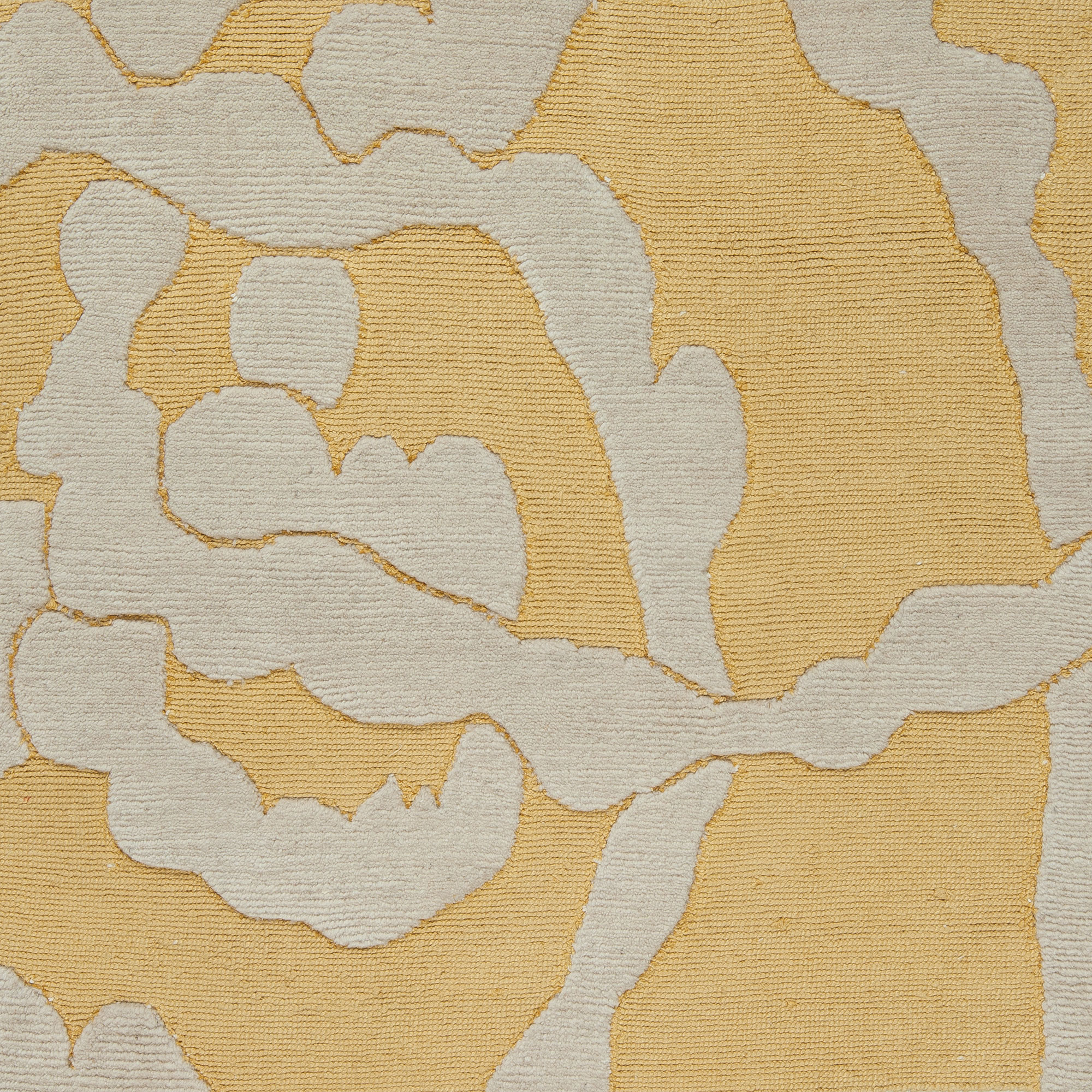
Sampling plays an important role in the specification process, particularly when color nuance and texture are critical. Reviewing samples under real lighting conditions reduces risk and ensures alignment with surrounding finishes.
Clear approvals at this stage help prevent delays during production and installation.
A Practical Tool for Interior Designers
This guide is intended as a practical reference for interior designers specifying custom area rugs for residential and commercial projects. It reflects real-world considerations rather than theoretical ideals.
For full flexibility in size, materials, and construction, explore our custom rugs program.