

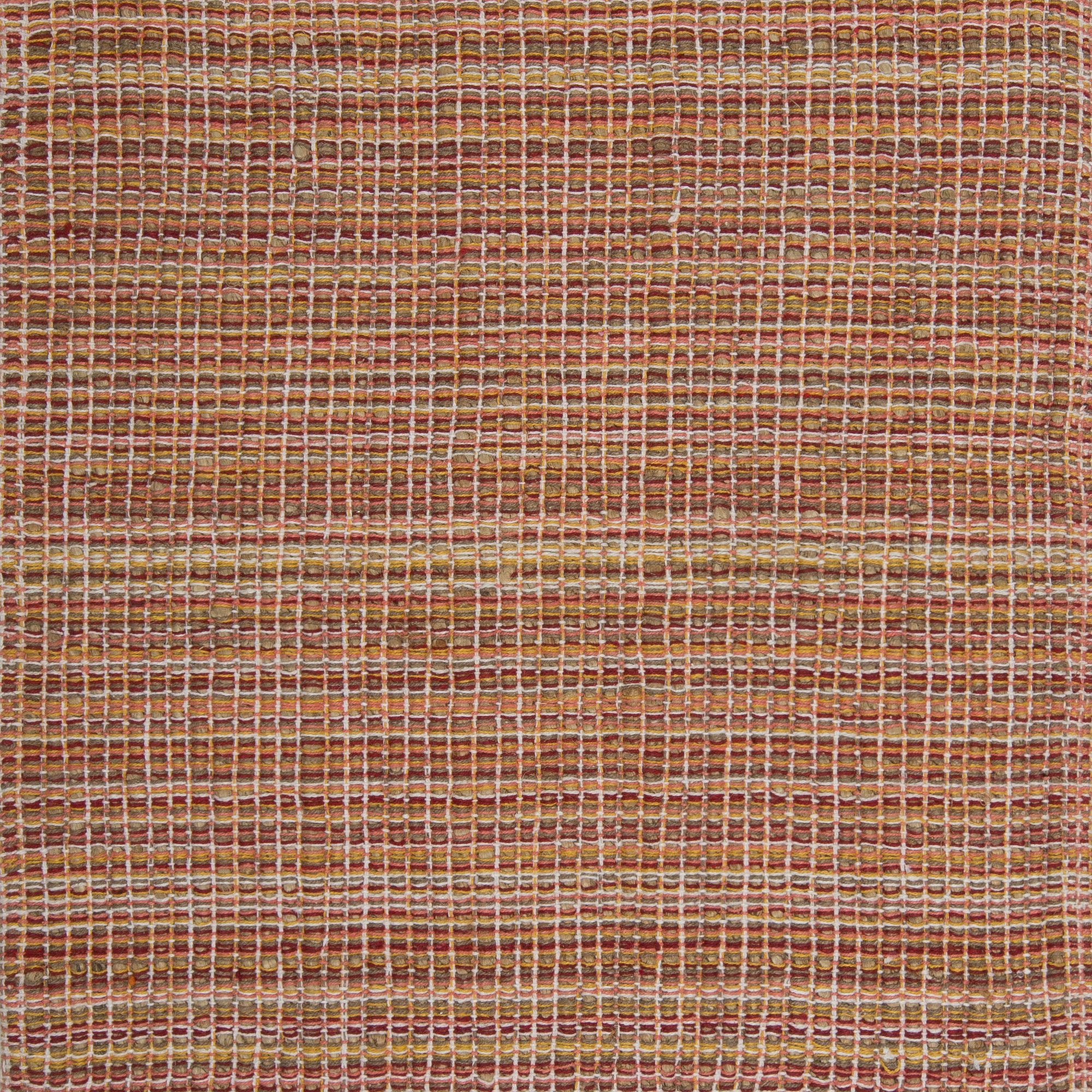
Antique Turkish Rugs: From Oushak Serenity to Anatolian Character
Among antique rugs, Turkish examples occupy a distinctive place: they can be grand without feeling heavy, patterned without becoming visually loud, and historically resonant while still working gracefully in contemporary rooms. From the spacious drawing of Oushak rugs to the refined precision of Hereke carpets, the Turkish weaving tradition offers a range of decorative voices suited to formal salons, relaxed family rooms, libraries, bedrooms, and large architectural spaces.
For designers and collectors, antique Turkish rugs are especially useful because they often resolve several interior problems at once. Their palettes can soften strong architecture, their large-scale motifs can organize expansive seating plans, and their wool surfaces bring tactile warmth to rooms that might otherwise feel too polished. Many pieces also possess a quality of restraint that makes them compatible with both traditional antiques and modern furniture. The best examples do not ask the room to become period-specific; instead, they provide proportion, color, and a handmade surface that gives the setting depth.
Turkish antique carpet styles are not a single decorative category. Oushak, Sivas, Hereke, and Anatolian village weaving differ in structure, scale, materials, and visual rhythm. Understanding those differences helps a homeowner or designer choose a carpet that supports the architecture rather than merely filling a floor. The question is not simply whether a rug is beautiful, but whether its field, border, color temperature, pile, and pattern density suit the furniture layout, light exposure, and daily use of the room.
The Decorative Strength of Antique Turkish Rugs
The decorative strength of antique Turkish rugs lies in their ability to balance structure with atmosphere. Many Turkish carpets use clearly organized fields and borders, yet their drawing is frequently more open than tightly packed court carpets from other regions. This creates a sense of air around the motifs, allowing furniture legs, upholstery fabrics, and architectural details to remain visible and legible. In interiors where every surface has been carefully specified, that negative space can be as important as the ornament itself.
Turkish weaving traditions developed across court, town, workshop, and village contexts, so the resulting rugs range from highly refined to boldly expressive. A formal Hereke carpet may have a meticulous weave and sophisticated silk or wool-and-silk construction, while an Anatolian village rug may rely on tribal geometry, saturated natural dyes, and direct symbolic drawing. Oushak rugs, perhaps the best known among decorators, often bridge these categories by combining monumental design with a soft palette that feels generous rather than ceremonial. This breadth is why Turkish carpets are used successfully in city apartments, country houses, coastal residences, and layered historic interiors.
When evaluating Turkish antique carpets for an interior, scale should be considered before style. A delicate design that is too small for the seating group will look decorative but unresolved, while a large carpet with confident spacing can unify a room even when the furniture is varied. The border width, central medallion, and distribution of motifs all affect placement. A rug with a dominant medallion may need to align with a table, chandelier, or architectural axis, while an allover Oushak pattern can be more forgiving beneath asymmetrical seating.
Oushak Rugs: Spacious Drawing, Soft Color, and Architectural Ease
Antique Oushak rugs are prized for their spacious drawing and quietly luminous color. Woven in western Anatolia, Oushaks often feature large-scale motifs, generous palmettes, vine scrolls, angular medallions, or stylized floral forms that read clearly from across a room. Rather than relying on minute detail, they create their effect through proportion, softened outlines, and a relaxed relationship between field and border. This makes them particularly effective in rooms with substantial furniture or strong architectural elements, where a busier carpet might compete for attention.
The Oushak palette is one of the main reasons these rugs remain so desirable for luxury interiors. Apricot, sand, ivory, celadon, terracotta, faded blue, pale gold, and muted rose can appear within the same tradition, often mellowed by age into colors that feel layered rather than flat. These tones work well with plaster walls, limestone fireplaces, bleached oak floors, walnut paneling, and upholstery in linen, mohair, velvet, or bouclé. Because the colors are often warm but not strident, an antique Oushak can add comfort to a modern room without making the design feel nostalgic.
Oushak rugs also handle scale with unusual ease. In a large living room, an oversized Oushak can support multiple seating zones while preserving a unified visual field. In a dining room, its broad motifs remain visible around the table and chairs, avoiding the common problem of a finely detailed carpet disappearing beneath furniture. In a bedroom, an Oushak with muted colors can create a calm foundation without requiring the bedding, drapery, and wall color to match it precisely. The rug’s pattern becomes a tonal framework rather than a strict decorative command.
For anyone comparing antique Oushak rugs, it is important to look beyond the general category name. Some examples are more geometric, others more floral; some have strong central medallions, while others are looser and more allover in composition. The wool quality, handle, pile height, and condition also vary. A rug intended for a frequently used family room should be assessed differently from one intended for a formal reception space or a bedroom with lighter traffic.
Hereke and Sivas: Finer Weaves for Formal and Elegant Rooms
Hereke carpets represent one of the more refined faces of Turkish weaving. Associated with high-quality workshop production, Hereke pieces may be woven in wool, silk, or a combination of materials, and they often display precise drawing, elegant borders, and sophisticated floral or medallion compositions. Their finer construction gives them a different decorative role from a broad, open Oushak. A Hereke carpet can bring polish and detail to a formal salon, music room, private study, or bedroom where the furniture arrangement allows the weave and design to be appreciated.
Because Hereke carpets can be finely detailed, they require careful coordination with other patterns in the room. If the upholstery includes damask, brocade, or patterned silk, the carpet should be chosen with attention to pattern density and color hierarchy. A highly detailed carpet can still work with decorated fabrics, but one element should lead while the others remain subordinate. In a room with paneled walls, tailored upholstery, and a restrained palette, a Hereke can supply the ornamental richness that the architecture quietly frames.
Sivas rugs and carpets, woven in central Anatolia, occupy another elegant position within Turkish antique carpet styles. Many Sivas pieces have graceful drawing, refined palettes, and a sense of composure that suits formal but not overly rigid interiors. Their designs may include medallions, floral sprays, delicate vines, or stylized Persianate influences adapted through Turkish weaving sensibilities. Compared with the bolder presence of many Oushak rugs, Sivas carpets can feel more linear, graceful, and quietly disciplined.
When selecting Hereke or Sivas carpets, material matters. Silk can bring extraordinary sheen and detail, but it is best used in lower-traffic settings or rooms where its reflective quality will be appreciated without excessive wear. Wool examples generally offer more practical resilience, especially where chairs move frequently or where the carpet must absorb the rhythm of everyday life. A wool foundation, wool pile, or mixed construction should be examined not as an abstract technical note but as part of how the rug will perform under furniture, foot traffic, and changing light.
Anatolian Village Rugs: Geometry, Symbol, and Handwoven Character
Anatolian rugs from village and tribal contexts bring a different kind of intelligence to an interior. Their appeal often lies in direct drawing, strong color relationships, and motifs that carry local or symbolic meaning. Instead of the formal symmetry of a workshop carpet, a village rug may show shifts in proportion, small changes in color, and irregularities that reveal the hand of the weaver. These qualities can be especially powerful in modern interiors, where clean architecture benefits from an object with visible human presence.
Tribal geometry can be remarkably versatile when used with discipline. A geometric Anatolian rug may enliven a library with leather seating and dark wood, sharpen a minimalist entry, or add rhythm to a bedroom with plain linen textiles. The key is to respect pattern strength. If the rug has high contrast and compact motifs, it may need breathing room around it, while a more faded or spacious village weaving can coexist with art, books, and layered furnishings.
Color in village Anatolian rugs can range from strong madder red and indigo to muted colors softened by age and use. A collector may prize the intensity of early natural dyes, while a designer may seek a more subdued example that can sit comfortably near contemporary fabrics. Both approaches are valid, provided the rug is chosen for the room rather than forced into it. A vibrant runner in a hallway can provide energy and direction, while a quieter Anatolian carpet in a sitting room may offer texture and character without dominating the furniture.
Condition should be read with nuance. Abrash, or natural variation in color, can add beauty and authenticity, while structural weakness, brittle foundation, or unstable edges require more caution. Low pile is not automatically a flaw in an antique carpet; in many interiors it can create a desirable matte surface and easier furniture placement. However, areas of wear should be assessed for stability, not merely appearance, especially if the rug will be placed in a room with children, pets, or regular entertaining.
Why Turkish Rugs Work So Well in Transitional Interiors
Transitional interiors often depend on tension: old and new, tailored and relaxed, refined and tactile. Antique Turkish rugs support that tension because they rarely feel visually brittle. Their softened palettes, wool texture, and handmade drawing can temper sharp-edged modern furniture while still respecting clean lines. A pale Oushak under a low sectional, for example, can make a contemporary living room feel settled without introducing heavy ornament.
These rugs are also effective because their designs can be read at different distances. From the doorway, a large Oushak may register as a field of warm ivory and faded apricot; from the sofa, its palmettes and vines become more visible. This layered reading is valuable in open-plan spaces, where the rug must contribute to long sightlines as well as close-up comfort. A carpet that looks beautiful only from above may be less successful in real rooms, where it is seen obliquely, partially covered, and in changing light.
Consider a realistic design scenario: a large living room with pale oak floors, a limestone mantel, two curved sofas, several upholstered lounge chairs, and a mix of brass and blackened steel tables. A high-contrast carpet with dense pattern might fragment the seating plan, while a plain rug could leave the room acoustically and visually thin. An oversized antique Oushak in sand, celadon, and faded terracotta could connect the furniture group, warm the stone, soften the metal finishes, and provide enough pattern to disguise everyday use. The rug is not an afterthought; it is the element that determines whether the room reads as assembled or composed.
For homeowners beginning the selection process, it can be helpful to compare Turkish pieces with broader categories of decorative antique rugs to understand how origin, palette, weave, and scale affect the final room. A Persian carpet, an Indian Agra, a European Aubusson, and an Anatolian Oushak may all be antique, but they solve different decorative problems. The right choice depends on architecture, furniture placement, light, and the emotional temperature desired in the room.
Choosing Color: Apricot, Sand, Celadon, Ivory, Terracotta, and Faded Blue
Color is often the reason a Turkish rug succeeds or fails in a sophisticated interior. Antique Oushak and Sivas rugs are frequently sought for their soft palette, but softness does not mean vagueness. Apricot adds warmth without the density of deep red, sand connects easily to stone and pale woods, celadon introduces coolness without becoming icy, and ivory can open a room when the architecture feels dark. Terracotta, used sparingly, can anchor a neutral scheme and prevent it from becoming bloodless.
Faded blue is particularly useful in rooms that need calm but not sterility. In north-facing spaces, a blue-ground carpet may need warm secondary tones to avoid looking cold. In sunlit rooms, pale blue can become atmospheric, especially when paired with parchment walls, linen upholstery, and antique wood. The color should be judged in the room whenever possible, because wool reflects light differently throughout the day. A rug that looks beige under gallery lighting may reveal peach, green, or gray undertones once placed near windows and upholstery.
Palette coordination should begin with the rug’s dominant temperature rather than a single isolated color. If the carpet reads warm overall, it can support cooler walls and metals; if it reads cool, it may need warmer woods, leather, or textiles nearby. Designers often use antique Turkish rugs to mediate between finishes that would otherwise feel unrelated. A carpet with ivory, sand, celadon, and faded terracotta can connect plaster, oak, bronze, and printed linen without requiring exact matches.
Large Rooms, Oversized Carpets, and the Turkish Sense of Scale
Large rooms expose weak rug choices. A carpet that is too small makes furniture appear stranded, while a pattern scaled for a narrow room can become restless across a broad floor. Antique Turkish rugs, especially Oushak rugs, often have the scale needed for generous architecture. Their large-scale motifs and open fields can hold expansive seating arrangements without creating visual noise under every chair and table.
In a living room, the rug should typically extend beyond the front legs of sofas and chairs, and in more formal arrangements it may sit under all major upholstered pieces. In a dining room, the carpet should allow chairs to remain on the rug when pulled back from the table; otherwise the room feels visually and physically awkward. In a bedroom, a large carpet can sit beneath the bed and extend comfortably on three sides, while runners or smaller rugs may be used when architectural constraints make a full carpet impractical. Scale is not a luxury detail; it determines whether the room functions comfortably.
The Turkish sense of scale is also valuable in galleries, hospitality settings, and large residential circulation spaces. A long Anatolian runner can give direction to a corridor while reducing echo, and an oversized Oushak can soften a reception area without appearing domestic in the wrong way. Pile height and weave should be considered in relation to doors, furniture movement, and maintenance. A dense, high pile may feel wonderful underfoot, but a lower, stable pile can be more practical beneath dining chairs or in a heavily used passage.
What to Examine Before Buying an Antique Turkish Carpet
Before buying an antique Turkish carpet, begin with structure. Examine the foundation, edges, ends, and any areas of repair. A wool foundation may give a rug a particular handle and flexibility, while cotton or silk foundations create different structural qualities. Repairs are not automatically negative, especially in older decorative carpets, but they should be appropriate, stable, and reflected in how the rug will be used.
Next, consider pile and surface. Even wear can be visually beautiful and suitable for many interiors, while hard, uneven wear in isolated areas may signal future vulnerability. Touch the rug if possible; the best wool often has resilience rather than a dry or brittle feel. Look at the back as well as the front, because the reverse can reveal weave clarity, repairs, and overall structural integrity. If the carpet is intended for daily use, these details matter as much as color.
Provenance and age should be approached with curiosity and care. Not every attractive Turkish rug requires a museum-level attribution, but a serious buyer should understand whether a piece is an antique, a later decorative carpet, or a vintage rug inspired by older Turkish designs. Regional labels such as Oushak, Sivas, Hereke, and Anatolian can be meaningful, yet they should correspond to construction, design, and material evidence. Working with knowledgeable specialists helps prevent decisions based only on a familiar name.
Finally, evaluate the rug in relation to the room’s practical life. A pale silk Hereke may be exquisite, but it is not the obvious choice for a mudroom or a dining room used nightly by a young family. A low-pile Oushak with muted colors may be far more forgiving in a living room where people gather often. In a formal bedroom, however, a finer Sivas or Hereke can provide a level of detail that feels intimate and appropriate. Good selection is not about choosing the most precious rug in isolation; it is about matching beauty, condition, and use.
Frequently Asked Questions About Antique Turkish Rugs
What is the difference between an Oushak rug and other Turkish rugs?
Oushak rugs are a specific type of Turkish carpet associated with western Anatolia and are known for spacious drawing, large-scale motifs, and a soft palette. Compared with finer Hereke carpets or more geometric Anatolian village rugs, Oushaks often feel more open, relaxed, and architectural. Their designs may include palmettes, medallions, vines, and stylized floral forms, usually arranged with generous space around the motifs. This makes antique Oushak rugs especially useful in large living rooms, dining rooms, and transitional interiors where the carpet must unify the space without overpowering it.
Are antique Turkish rugs good for modern interiors?
Yes, antique Turkish rugs can be excellent for modern interiors when scale, color, and pattern density are chosen carefully. A pale Oushak can soften minimalist architecture, a geometric Anatolian rug can add rhythm to a restrained room, and a refined Sivas carpet can bring detail to a tailored bedroom or study. The most successful pairings usually avoid literal matching and instead use the rug to introduce warmth, texture, and visual depth. Antique rugs are particularly effective in modern spaces because their handmade surfaces counterbalance smooth stone, glass, metal, and contemporary upholstery.
Why are antique Oushak rugs so popular with designers?
Designers value antique Oushak rugs because they offer scale, softness, and flexibility. Their muted colors coordinate easily with luxury fabrics and natural materials, while their large-scale motifs remain legible beneath furniture. They can make a room feel finished without imposing a rigid historical style. For open-plan interiors and oversized rooms, an Oushak often provides the rare combination of decorative presence and restraint.
Specialist Guidance for Selecting the Right Turkish Rug
Choosing among antique Turkish rugs requires more than recognizing a beautiful pattern. The best piece for a room will depend on dimensions, furniture layout, daylight, traffic level, architecture, and the relationship between color and texture. Doris Leslie Blau brings gallery expertise to these decisions, helping designers and homeowners compare Oushak rugs, Hereke carpets, Sivas rugs, and Anatolian rugs with attention to both connoisseurship and practical use. For a refined interior, the right Turkish carpet should feel inevitable: proportionally correct, materially appropriate, and quietly alive within the room.