





Antique Amritsar Rugs
Antique Amritsar rugs occupy a distinctive place among Indian rugs: refined enough for formal interiors, yet often softer and more adaptable than many courtly Persian carpets. Woven in and around Amritsar in northwestern India, these carpets became especially important in the late nineteenth and early twentieth centuries, when Indian workshops responded to both local weaving traditions and Western decorative demand. The result is a category admired for large-scale drawing, subtle palettes, luminous wool, and a spacious elegance that works beautifully in living rooms, dining rooms, libraries, galleries, and expansive primary bedrooms.
What Defines an Amritsar Carpet
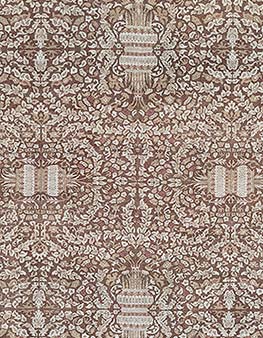
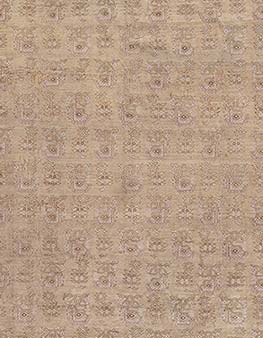
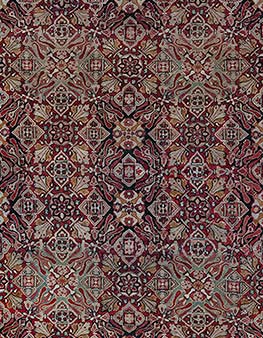
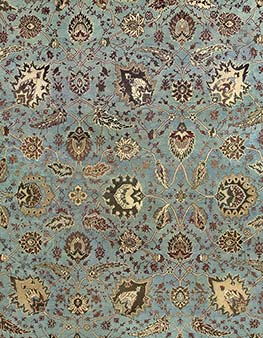
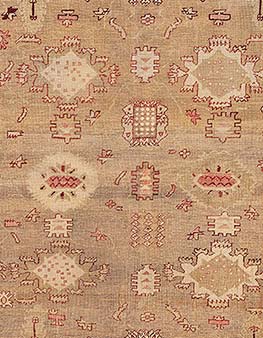
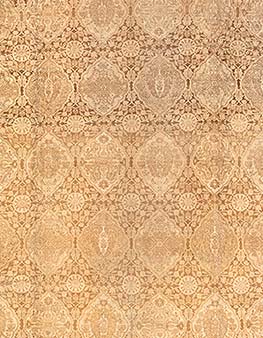
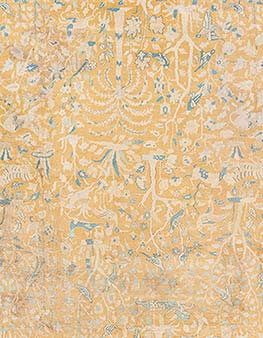
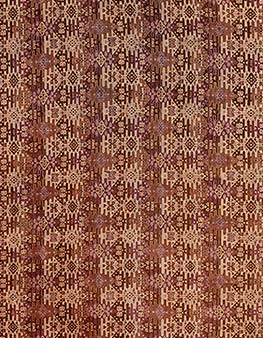
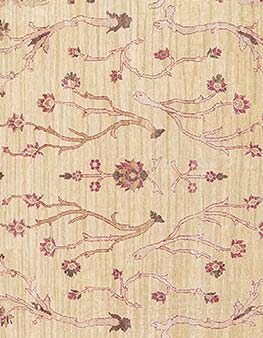
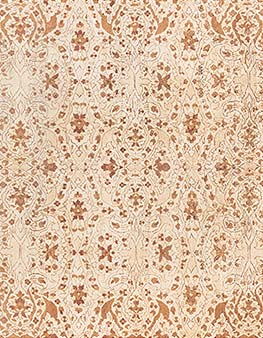
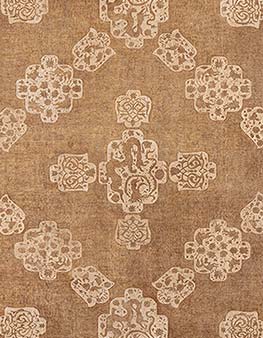
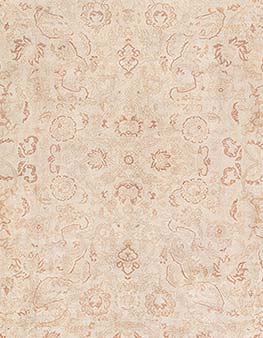
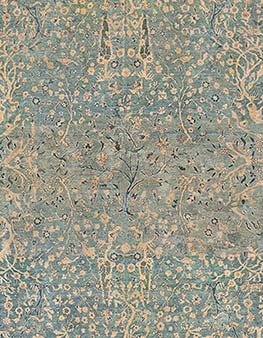
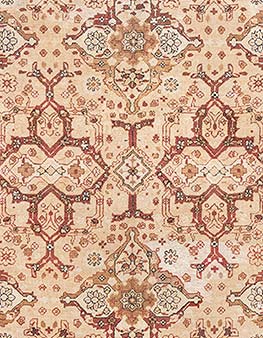
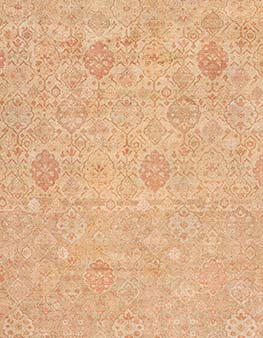
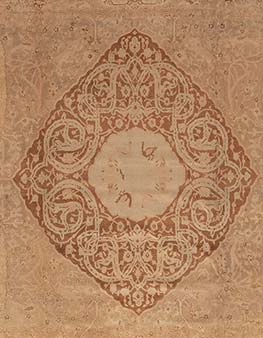
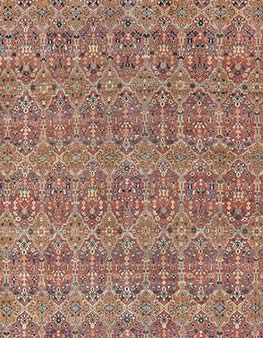
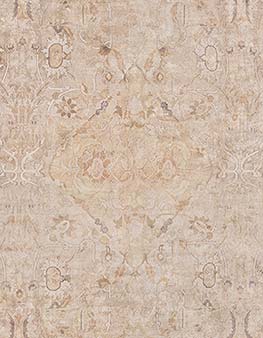
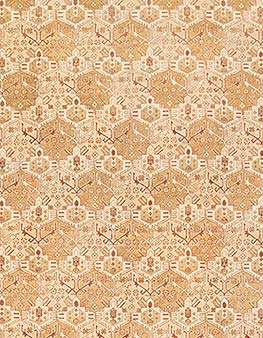
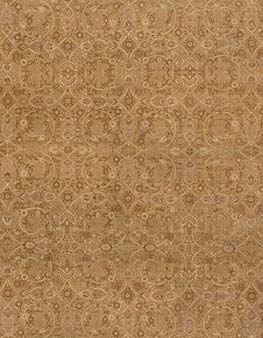
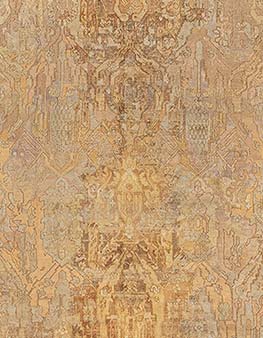
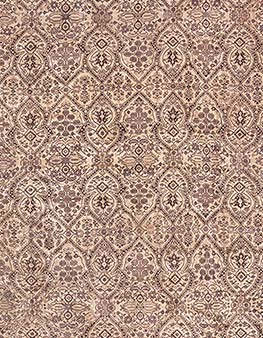
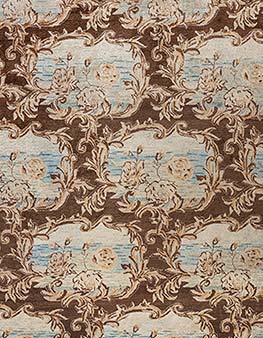
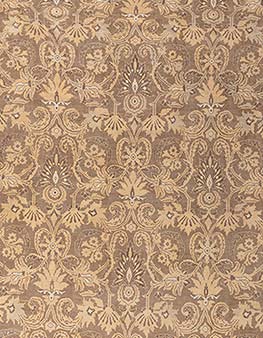
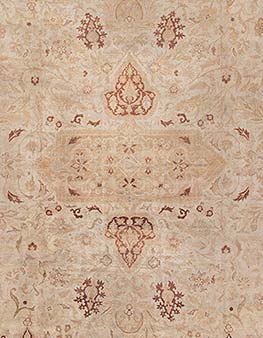
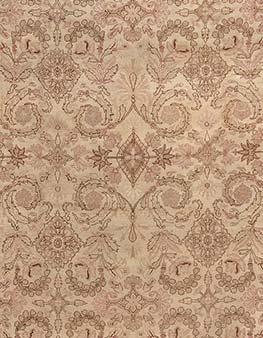
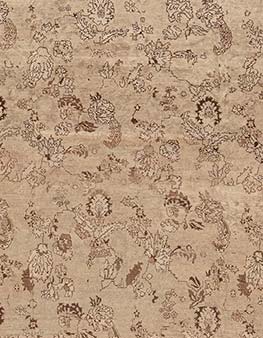
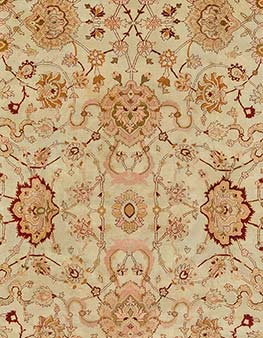
Most antique Amritsar carpets were hand-knotted in wool, frequently on cotton foundations, with designs that may include Persian-inspired florals, scrolling vines, palmettes, medallions, millefleur details, and more geometric allover compositions. Compared with some antique Oriental rugs, Amritsar pieces often feel less rigid in the room: their patterns can be generous, their colors atmospheric, and their scale particularly useful for interiors that need presence without visual noise. Many examples are antique rugs in the general market sense of being typically 100+ years old, though each piece should be evaluated individually by date, condition, structure, and provenance indicators.
- Check the stated date or circa period against antique buying goals.
- Compare field color, border contrast, and pattern scale under room lighting.
- Review exact dimensions for furniture plans, circulation, and rug reveal.
- Look closely at pile, ends, sides, repairs, and any size adjustment notes.
- Consider whether an allover design or medallion layout best suits the room.
Doris Leslie Blau has sourced rugs from estates, auctions, dealers, and private collections since 1965, a background that matters in a category where subtle differences can change both decorative impact and long-term desirability. Within this selection, buyers may find cream, beige, taupe, warm tan, golden, ivory, and pale sand grounds, along with floral and geometric patterns that bridge antique Indian craftsmanship and sophisticated contemporary decoration.
Decorating With Antique Indian Amritsar Rugs
For interior designers, Amritsar Indian rugs are especially valuable because they can anchor a room without forcing a single historical style. A pale allover floral carpet can soften modern upholstery, limestone, plaster, oak, or lacquered finishes. A larger warm tan or golden carpet can give architectural weight to a dining room or salon while remaining quieter than a high-contrast antique Persian rug. Oversized Amritsar carpets are also useful in open-plan luxury interiors, where the rug must define seating areas, absorb scale, and connect antiques, contemporary art, and custom furniture.
Collectors and homeowners should evaluate an Amritsar rug as both a decorative object and a hand-knotted textile. Age, weave, wool quality, drawing, palette, condition, and rarity all matter. Some pieces show the graceful wear and patina expected in antique carpets; others may have adjusted dimensions or restorations that make them more practical for a specific floor plan. The best choice is not always the most ornate rug, but the one whose color temperature, border rhythm, and pattern density support the architecture of the room.
Choosing the Right Size and Custom Alternatives
This category often includes room-size and oversized antique area rugs, including pieces suitable for large seating arrangements, long dining tables, and formal reception spaces. If an antique Amritsar carpet provides the right character but not the exact dimensions, Doris Leslie Blau can also discuss custom made rugs and made-to-order options inspired by antique and traditional design language. That distinction is important: antique Amritsar rugs are one-of-a-kind historic textiles, while custom rugs offer a way to achieve a compatible palette, scale, or format when a project requires exact sizing.