



Vintage Indian Rugs
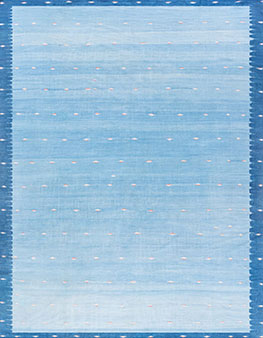
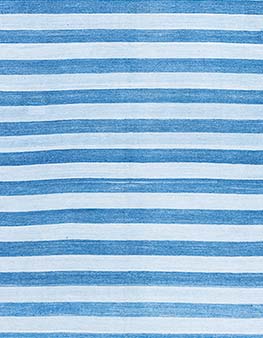
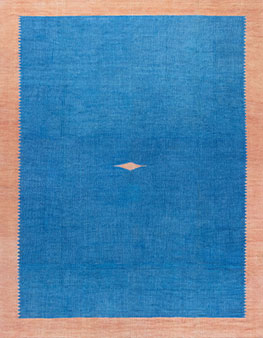
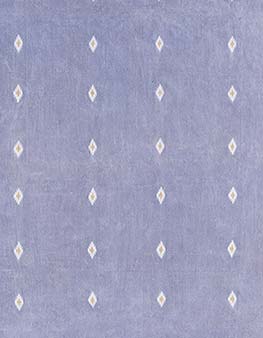
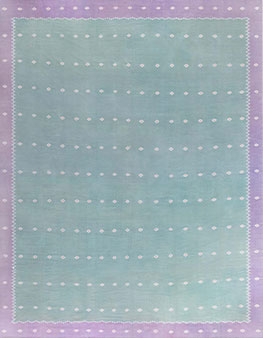
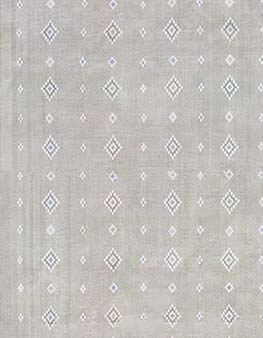
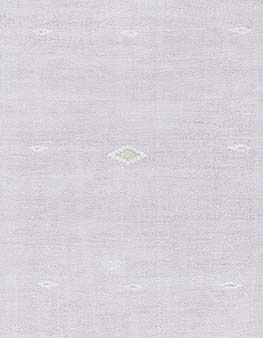
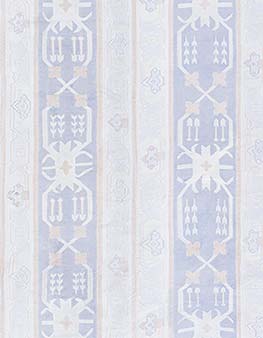
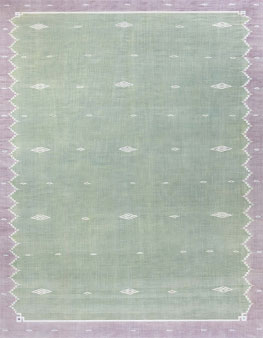
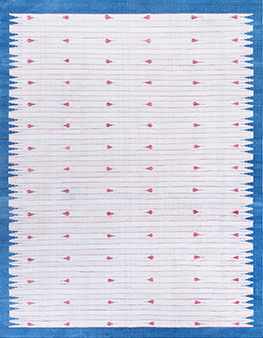
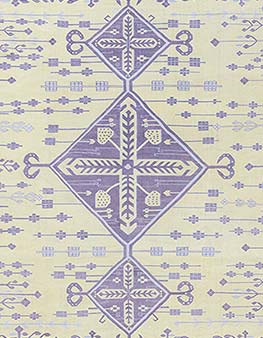
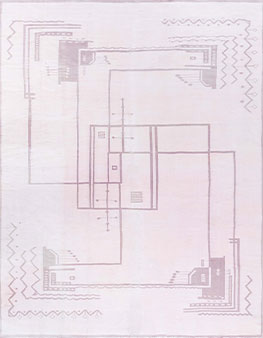
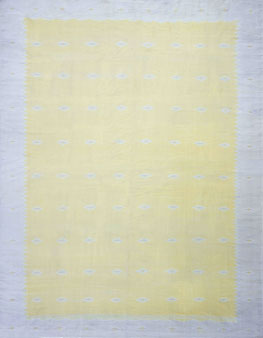
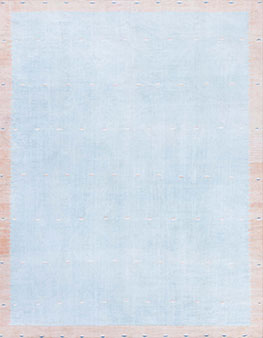
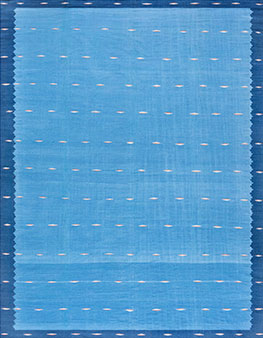
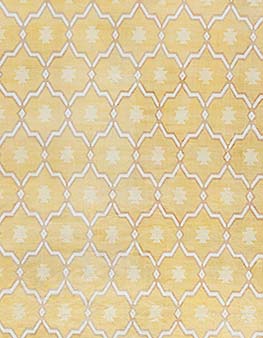
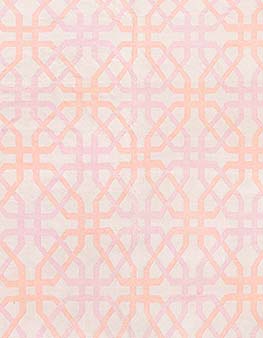
Vintage Indian rugs offer a disciplined, design-forward alternative to heavier pile carpets, especially when the project calls for clear color, architectural scale, and a relaxed woven surface. This collection focuses strongly on vintage Indian dhurries and mid-century flatweave cotton carpets, many with geometric borders, Greek key motifs, stripes, abstract compositions, floral details, or quiet monochromatic fields. Their relatively low profile makes them useful under dining tables, in layered living rooms, bedrooms, libraries, galleries, and transitional interiors where texture matters but visual weight must be controlled.
Why Indian dhurries work in luxury interiors
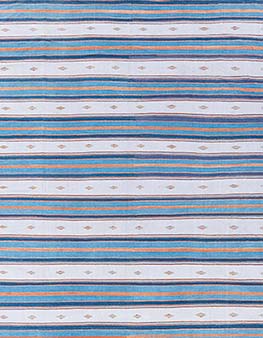
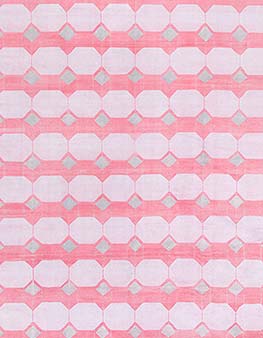
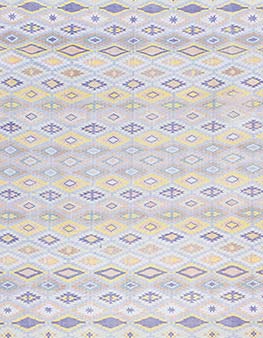
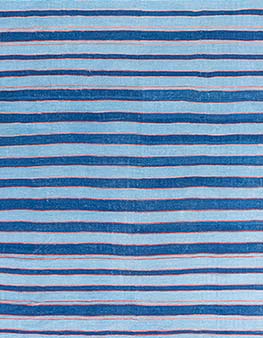
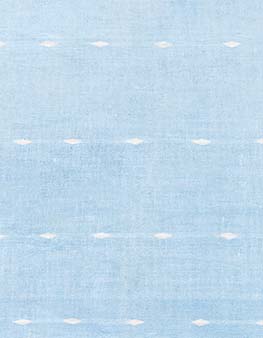
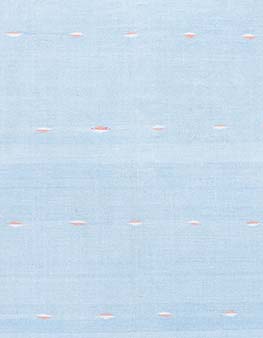
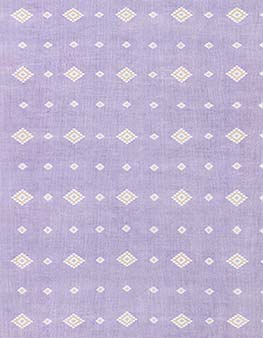
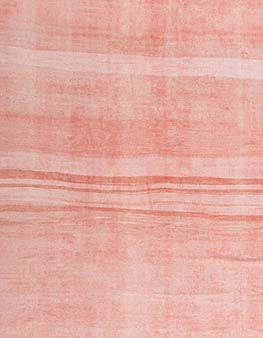
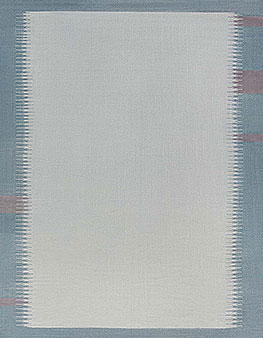
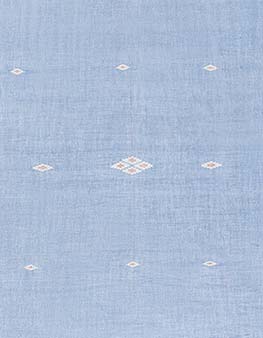
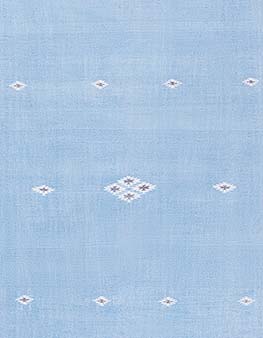
Indian dhurries have long been valued for their flatwoven structure, graphic clarity, and practical sophistication. Unlike hand-knotted wool rugs with a raised pile, a dhurrie is typically woven flat, giving it a crisp surface and a lighter presence in a room. Vintage examples can be especially appealing because the colors have softened with age: pale blue, lavender, warm tan, dusty pink, sage, cream, white, gray, and navy appear in combinations that feel tailored rather than decorative for decoration’s sake.
- Check exact dimensions, especially for oversized rooms and square layouts.
- Compare cotton flatweave texture with wool or silk pile rugs.
- Study border scale, repeat, and negative space before placing furniture.
- Use lighter palettes to open bedrooms, living rooms, and coastal interiors.
- Consider custom made rugs when a vintage size cannot fit the plan.
Choosing a vintage Indian rug by scale, pattern, and material
Scale is one of the strongest reasons designers seek vintage Indian flatweave rugs. Large and oversized dhurries can cover expansive seating areas without overwhelming upholstery, art, or millwork. Smaller pieces can define reading corners, entries, and layered schemes. Geometric patterns bring structure to minimal rooms, while striped or softly abstract designs can connect traditional architecture with modern furnishings. Cotton construction gives many dhurries a dry, tactile hand; when comparing pieces, review the weave, edge finish, color balance, signs of wear, and whether the rug’s proportions suit the room’s traffic pattern.
Vintage, antique, and custom considerations
Vintage Indian rugs are not the same as antique Indian carpets. In the rug market, antique rugs are typically 100+ years old, while vintage rugs are generally younger pieces with age, character, and design relevance. Antique Agra, Amritsar, or other Indian carpets may be chosen for formal rooms and historical interiors; vintage dhurries often suit cleaner, more contemporary spaces. Both categories can hold significant decorative value, but they should be evaluated differently: a flatweave cotton dhurrie is prized for surface, graphic restraint, and ease of placement, not for the dense pile associated with many Persian rugs or Oriental rugs.
Doris Leslie Blau has sourced rugs from estates, auctions, dealers, and private collections since 1965, bringing a curator’s eye to pieces that must perform in refined interiors. For this category, that means assessing origin, age, material, design, condition, and room compatibility rather than presenting vintage as a vague style label. If a project needs the spirit of an Indian dhurrie but requires a precise dimension, unusual palette, or repeated scheme across several rooms, the gallery can also guide clients toward custom made rugs while preserving the design logic that makes these vintage examples desirable.