










French Vintage Rugs
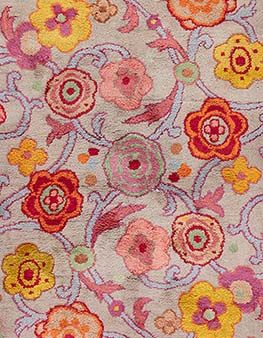
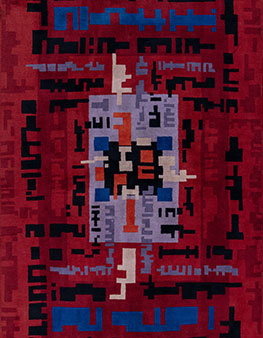
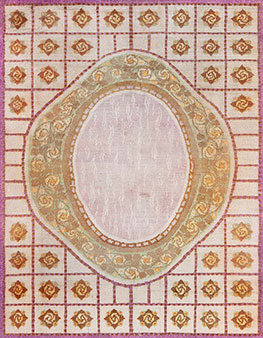
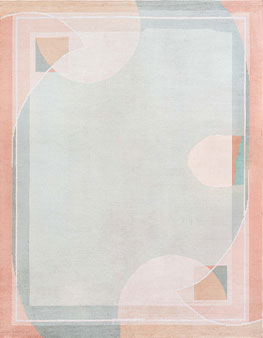
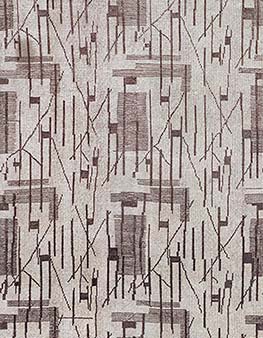
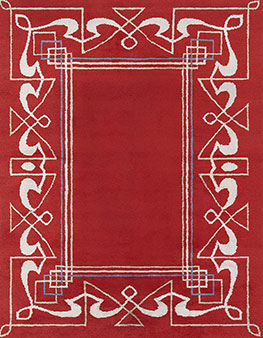
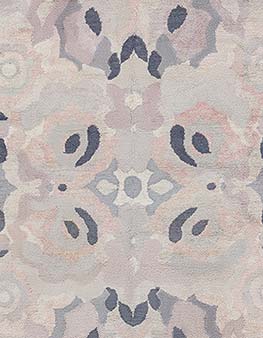
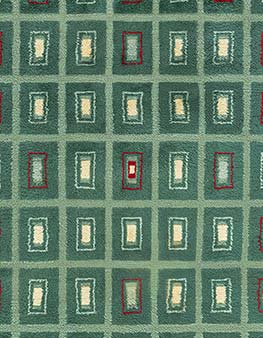
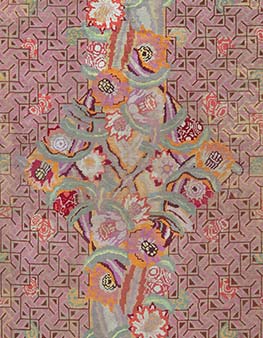
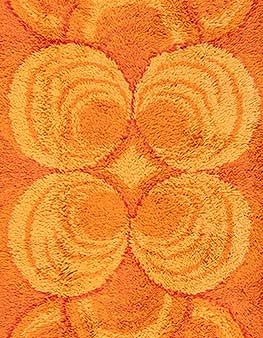
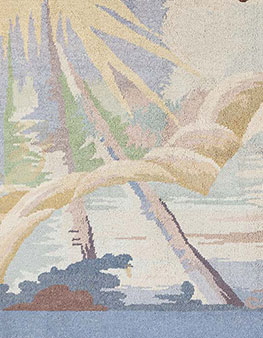
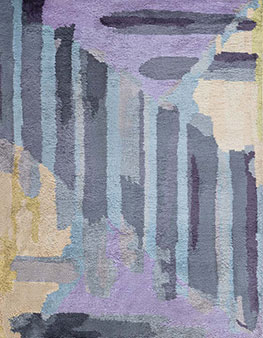
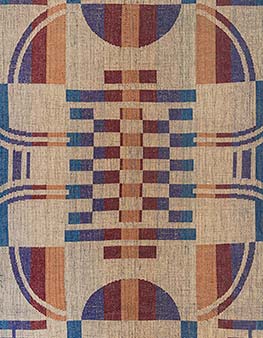
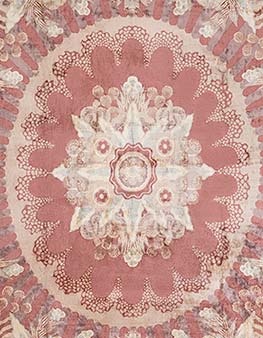
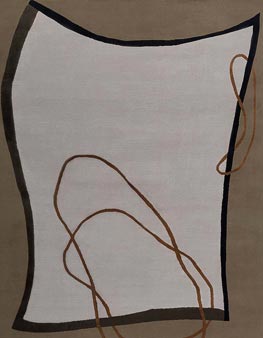
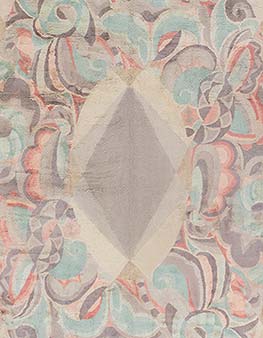
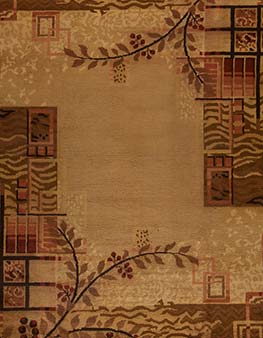
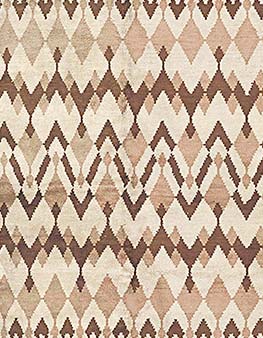
French vintage rugs occupy a refined position between decorative art and functional floor covering. In this collection, the emphasis is on French Art Deco rugs, Art Nouveau carpets, modernist wool rugs, abstract compositions, stylized florals, and geometric designs associated with 20th-century European interiors. These pieces are especially useful for rooms where a Persian or Oriental rug may feel too traditional, but a plain contemporary rug lacks character. Their appeal comes from disciplined drawing, subtle color, architectural proportion, and the ability to work with both antiques and modern furniture.
French Art Deco, Art Nouveau, and Modernist Design
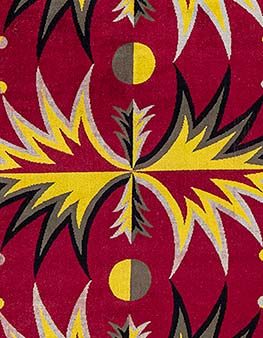
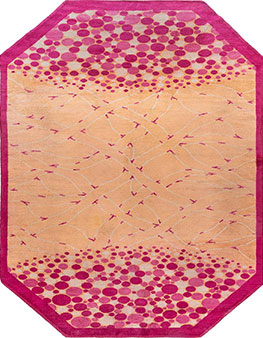
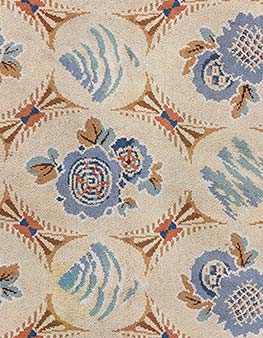
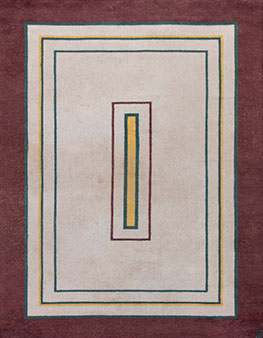
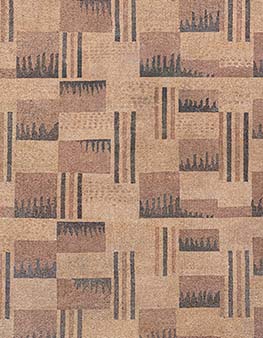
The strongest French vintage rugs often reflect the design language of Paris between the early and mid-20th century: simplified botanical forms, stepped borders, tonal fields, cubist geometry, and confident negative space. Some examples are linked to notable designers or workshops, while others carry the broader influence of Deco, Bauhaus, and modernist decorative arts. Buyers comparing French Art Deco rugs should look closely at the relationship between pattern and scale; a spare abstract carpet can support a clean architectural room, while a floral French rug may soften stone, plaster, lacquer, or bronze finishes.
Materials and construction also matter. Many French vintage carpets are hand-knotted wool rugs, while others may be flatweaves or specialist workshop pieces. Wool gives these carpets body, texture, and a matte surface that suits formal living rooms, bedrooms, libraries, dining rooms, and galleries. Aged color is often one of the category’s greatest strengths: cream, sand, taupe, gray, sage, lavender, brown, and warm tan tones can make a room feel finished without overwhelming furniture, art, or millwork.
How to Choose a French Vintage Rug
When selecting a French vintage rug, evaluate it as both a design object and an interior component. Size, condition, weave, age, palette, and provenance should be considered together, not separately. A smaller rug can define a seating area or bedroom vignette, while oversized French carpets are well suited to large salons, lofts, dining rooms, and open-plan luxury interiors. Doris Leslie Blau provides visible product details and pricing so designers, collectors, and homeowners can compare pieces with practical context before requesting additional guidance.
- Choose geometric or abstract patterns for modern, Art Deco, and architectural interiors.
- Select floral French rugs when a room needs movement, softness, or decorative detail.
- Review dimensions carefully, including oversized formats and long narrow proportions.
- Consider wool pile, flatweave structure, surface wear, restoration, and overall condition.
- Use quieter palettes when art, upholstery, or antiques should remain the focal point.
Decorative Value, Provenance, and Custom Options
French vintage carpets are prized because they bring European design history into a room without requiring a period interior. A pale hand-knotted wool rug can anchor contemporary upholstery; a strong modernist carpet can introduce rhythm beneath a dining table; an Art Nouveau floral rug can add contrast to clean-lined architecture. For collectors, attribution, workshop, rarity, and condition may influence desirability. For interior designers, the key question is often how the rug changes the balance of the room: color temperature, furniture placement, traffic flow, and visual weight.
Doris Leslie Blau has sourced antique and vintage rugs directly from estates, auctions, dealers, and private collections since 1965, giving the gallery long experience with rare decorative carpets and serious design projects. This French vintage rug selection includes room-size, large, oversized, and distinctive smaller pieces for curated interiors. When a vintage French carpet establishes the right design direction but not the exact size, related custom made rug and made-to-order possibilities may be considered for projects that require a specific scale, palette, or installation plan.