



Art Nouveau Vintage Rugs
Art Nouveau vintage rugs bring one of the most refined decorative movements into interiors that need character, proportion, and a softer alternative to conventional period carpets. In this Doris Leslie Blau selection, buyers will find hand-knotted wool rugs influenced by Viennese Secession, French Art Nouveau, Dutch Amsterdam School design, and related early modern decorative traditions. These pieces are especially compelling for designers and collectors who want the grace of organic pattern without the heavy formality of many antique Persian rugs or Oriental carpets.
What Defines an Art Nouveau Rug
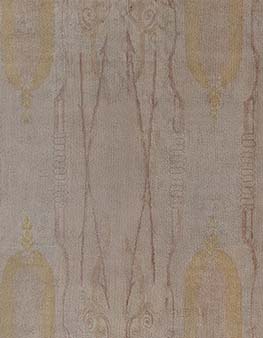
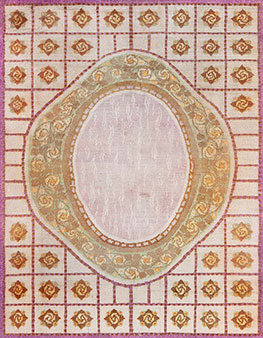
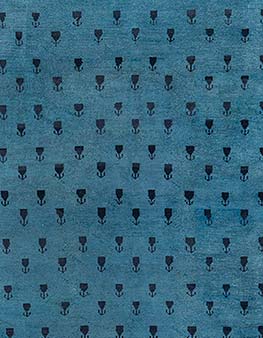
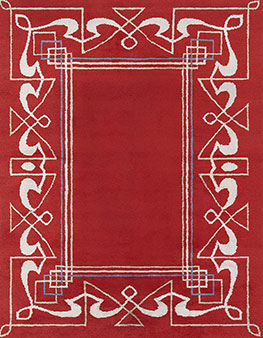
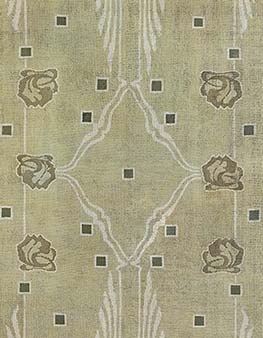
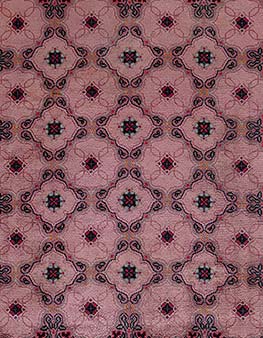
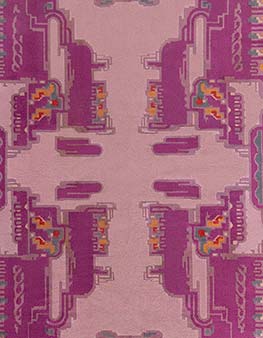
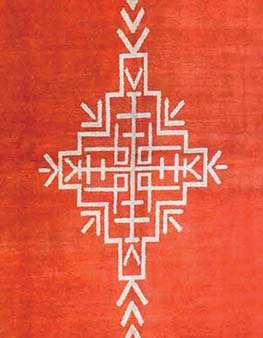
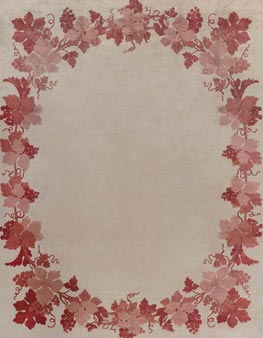
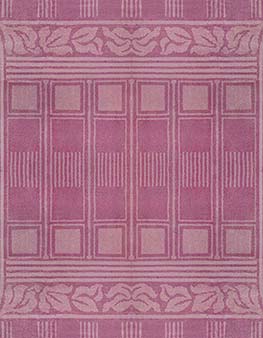
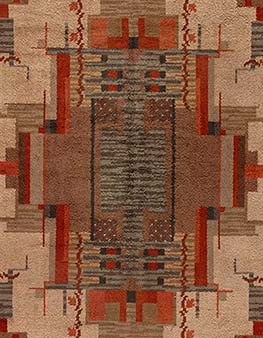
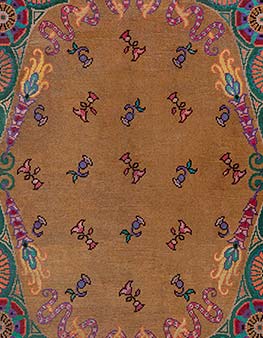
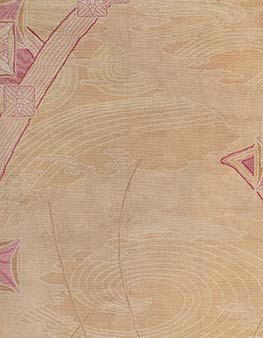
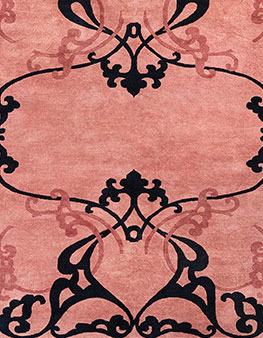
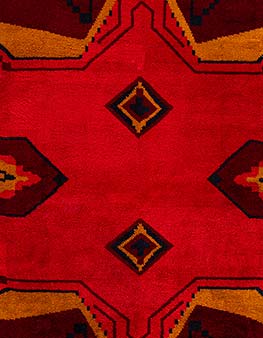
Art Nouveau design is recognized for curving botanical lines, stylized flowers, architectural borders, and a sense of controlled movement. In rug form, the style may appear as pale floral fields, sinuous vines, geometric Secessionist spacing, dusty rose and warm tan palettes, or stronger maroon, crimson, brown, and midnight accents. Many examples are hand-knotted wool rugs, prized for durability, texture, and the way naturally aged wool softens color over time. While antique rugs are typically 100+ years old, vintage Art Nouveau carpets can also include early and mid-20th-century pieces with period design value.
Choosing Scale, Color, and Placement
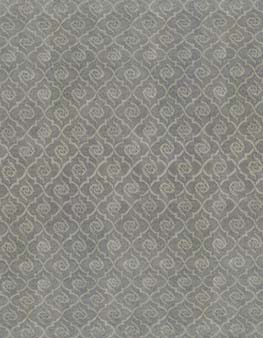
Because Art Nouveau rugs often combine ornament with restraint, they work well in living rooms, libraries, dining rooms, bedrooms, galleries, and entry spaces where the floor covering should feel designed rather than merely decorative. A room-size carpet with a quiet beige or gray field can support modern upholstery, plaster walls, stone, bronze, and natural woods. A darker Dutch or French example can anchor a study or salon, while a floral Viennese rug can introduce historic detail into a clean contemporary scheme.
- Check exact dimensions first, especially for square, large, oversized, and runner layouts.
- Compare floral, geometric, abstract, and curvilinear motifs against the room architecture.
- Evaluate wool quality, knotting, surface wear, restoration, and overall condition.
- Consider whether a pale palette or a stronger border should define the room.
- Use origin and design attribution to guide collector interest and decorative value.
The best choice is rarely based on pattern alone. Interior designers often study how the field color relates to wall treatments, how the border frames furniture, and whether the rug’s rhythm supports or competes with architectural details. Art Nouveau pieces can be surprisingly versatile: they pair with European antiques, Swedish modern furniture, Art Deco lighting, contemporary upholstery, and quiet luxury interiors that need a crafted focal point.
Doris Leslie Blau Selection and Custom Possibilities
Doris Leslie Blau has sourced rare rugs from estates, auctions, dealers, and private collections since 1965, which is especially relevant for a category shaped by provenance, design authorship, and limited availability. Within this collection, buyers can compare Viennese Secessionist, French, Dutch, and Chinese Art Nouveau carpets by size, color, materials, weave, and room use. Some listings may include notable attribution or workshop context, while others are valued primarily for their decorative strength, scale, and condition.
For projects that need an exact dimension, a companion piece, or a related historical look that is not available as a vintage rug, Doris Leslie Blau can also discuss custom made rugs inspired by period vocabulary. That option is not a substitute for the age and individuality of an original vintage carpet, but it can be practical for hospitality projects, oversized rooms, matching areas, or interiors requiring a specific palette. Whether the priority is a collectible Art Nouveau rug or a refined decorative carpet for a luxury home, this category offers a focused starting point for design-led selection.