





Sultanabad Rugs
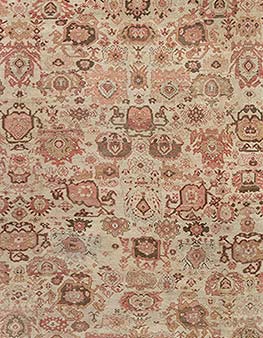
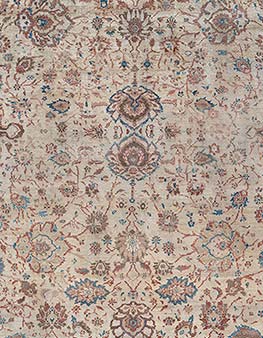
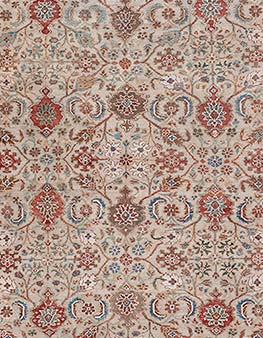
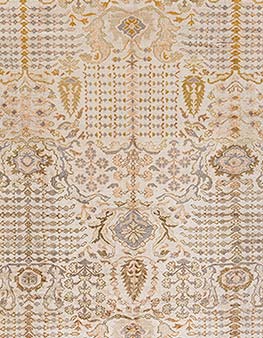
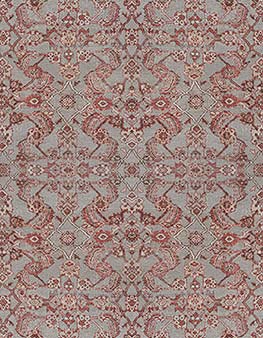
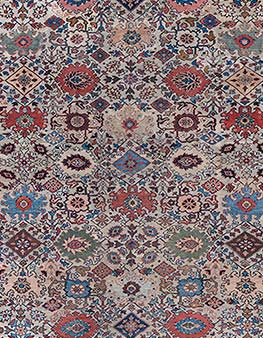
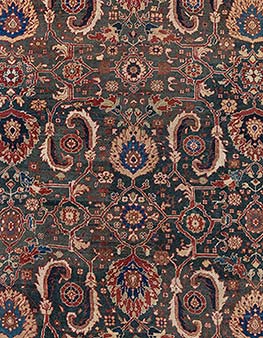
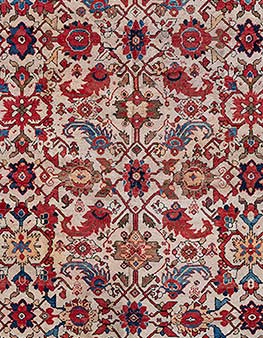
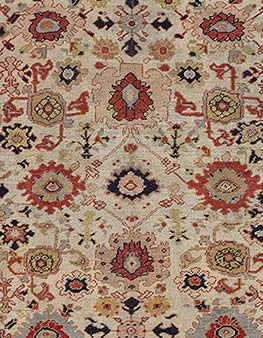
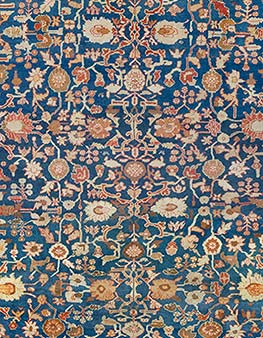
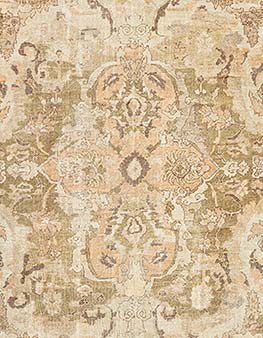
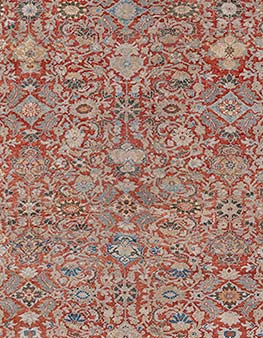
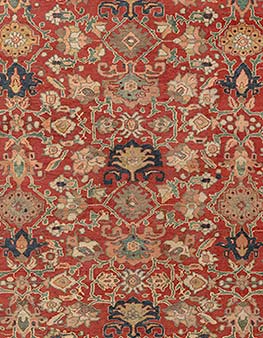
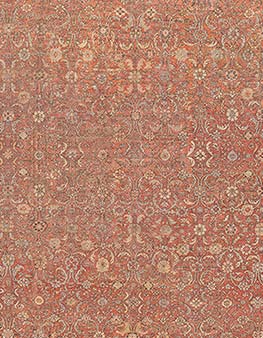
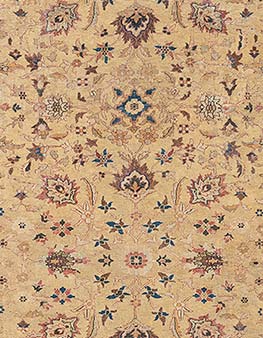
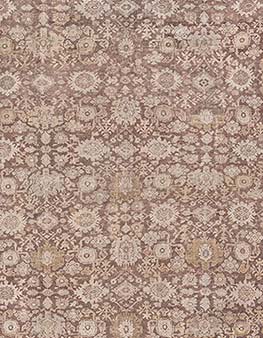
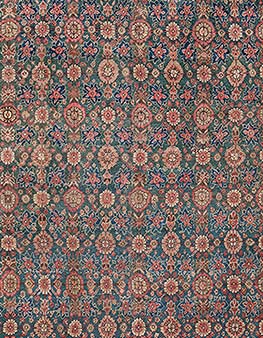
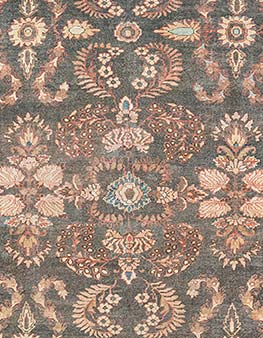
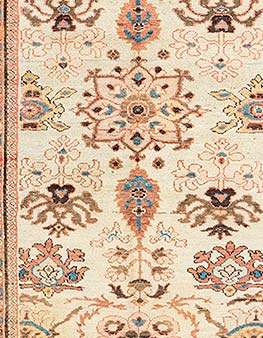
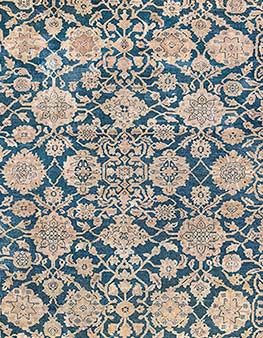
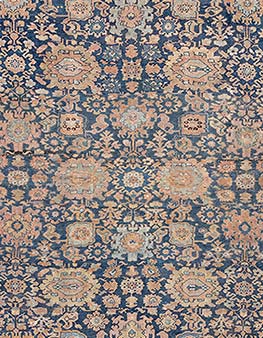
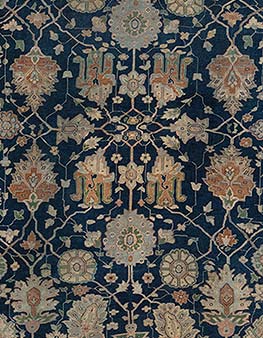
Sultanabad rugs occupy a distinctive place in the history of Persian carpets. Woven in and around the Sultanabad district of western Persia, now associated with Arak, they became especially valued in the late 19th and early 20th centuries for designs that translated classical Persian ornament into a grander, more decorative scale. Many examples feature palmettes, rosettes, vine scrolls, serrated leaves, and open trellis layouts, rendered with a less formal hand than courtly workshop carpets. The result is a Persian rug category that feels architectural, generous, and highly adaptable to sophisticated interiors.
Why Antique Sultanabad Carpets Appeal to Designers
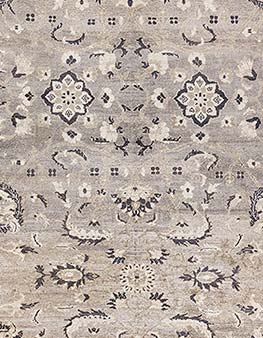
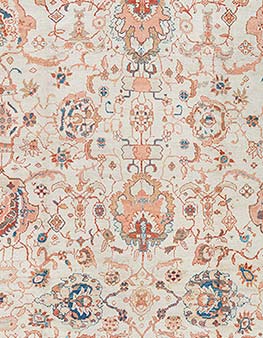
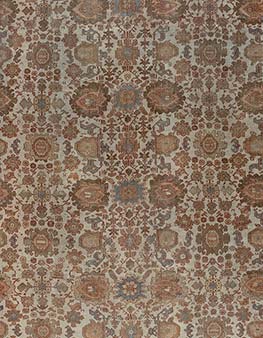
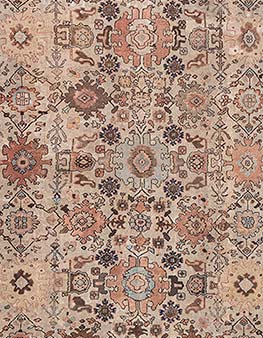
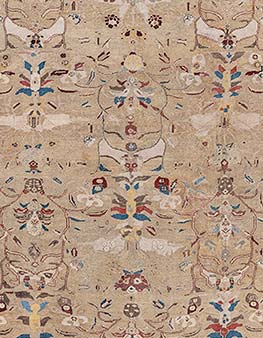
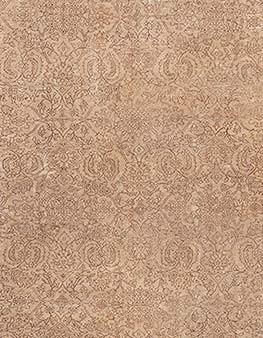
Interior designers often choose antique Sultanabad carpets because they balance pattern with restraint. Unlike some densely detailed Persian rugs, Sultanabads frequently use larger motifs and more spacious allover compositions, allowing furniture, art, and architecture to remain visually clear. Their palettes can range from ivory, camel, taupe, warm tan, and sand to soft indigo, rust, celadon, walnut, and faded rose. This makes them especially effective in living rooms, dining rooms, bedrooms, libraries, and galleries where a rug must provide scale, warmth, and historical character without overwhelming the room.
Antique rugs are typically defined as being 100 years old or more, and many Sultanabad carpets on the market date from the late 1800s or early 1900s. Age alone, however, does not determine quality. Serious buyers should evaluate the weave, wool quality, drawing, color harmony, condition, repairs, size, and how the rug sits within a particular interior plan. A well-chosen Sultanabad can function as a decorative anchor: refined enough for a formal room, relaxed enough for contemporary furniture, and substantial enough for large architectural spaces.
Materials, Weave, Scale, and Decorative Character
Most traditional Sultanabad rugs are hand-knotted wool rugs, often with a supple handle and durable structure suited to real interiors rather than purely display settings. Their drawing may relate to Mahal, Ziegler, Heriz, and Serapi traditions, yet Sultanabads tend to have their own broad rhythm: bolder spacing, softer transitions, and a distinctive blend of floral and geometric feeling. This is why they work well with antiques, modern upholstery, plaster walls, wood paneling, stone floors, and understated contemporary rooms that need a rug with depth rather than a flat decorative print.
- Check exact dimensions against the furniture plan, especially for dining chairs and seating groups.
- Compare allover designs with medallion layouts for room balance and circulation.
- Review material, knotting, pile, and restoration notes before selecting a piece.
- Consider muted beige, taupe, and ivory grounds for calm luxury interiors.
- Use oversized Sultanabad carpets to unify large rooms without relying on heavy contrast.
Buying Sultanabad Rugs from Doris Leslie Blau
Doris Leslie Blau has sourced antique and decorative rugs from estates, auctions, dealers, and private collections since 1965, giving this category a curated point of view rather than a purely inventory-driven feel. The Sultanabad selection may include antique Persian area rugs, oversized carpets, runners, and rare decorative examples with clearly listed dimensions and pricing. Each piece should be considered individually: origin, approximate date, field color, border design, condition, and scale all affect how it will perform in a luxury residential or hospitality interior.
For projects that call for the Sultanabad look but require a precise size, palette, or installation plan, made-to-order rugs can be considered as a separate design solution. A custom Sultanabad-inspired carpet is not a substitute for the patina and provenance of an antique, but it can serve rooms where exact proportions are essential. Whether the goal is a collectible antique carpet or a custom made rug with related design language, the strongest choice is the one that supports the architecture, furniture layout, and long-term use of the space.