

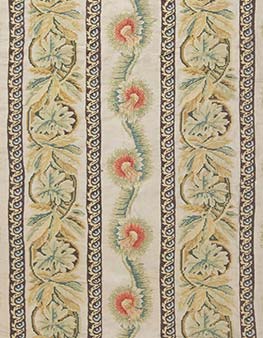
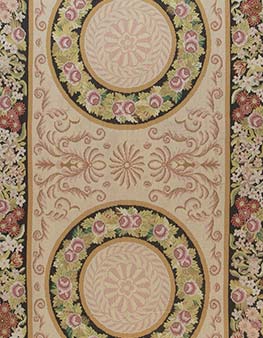
Traditional-Style Flatweave Floral Cream Beige Hand-Knotted Wool Rug “Wreathline” N11916
Size: 7'10" × 17'7" (238 × 535 cm)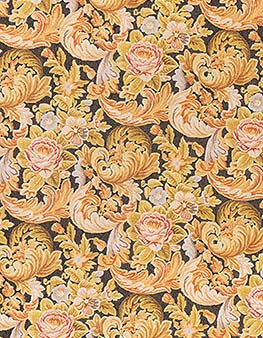
Flatweave-Inspired Traditional Floral Scroll Light Beige Hand-Knotted Wool Carpet “Volutella” N11915
Size: 9'7" × 14'10" (292 × 452 cm)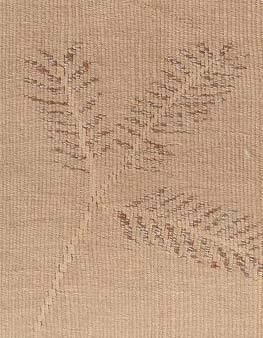
Aubusson Aubusson-Design Floral Light Beige Flatweave Rug “Subrosa” Designed By Eric Cohler N11913
Size: 11'9" × 15'10" (358 × 482 cm)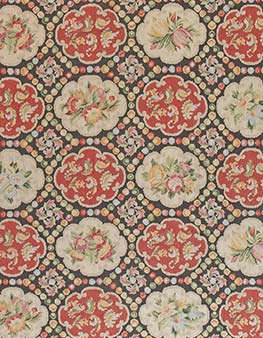
“Cameo” Traditional Modern Flatweave Floral Soft Beige Oversized Handmade Wool Rug N11911
Size: 12'0" × 17'2" (365 × 523 cm)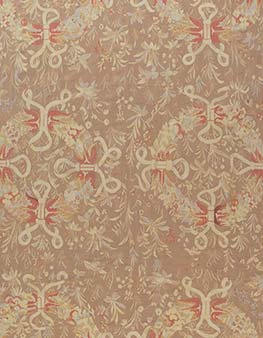
“Boiserie” Traditional Modern Floral Soft Beige Flatweave Wool Oversized Rug N11910
Size: 11'10" × 18'8" (360 × 568 cm)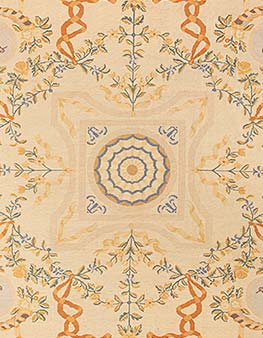
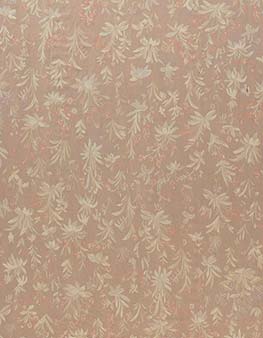
“Festoon” Traditional Rug Flatweave Floral Soft Beige Wool N11909
Size: 13'7" × 14'10" (414 × 452 cm)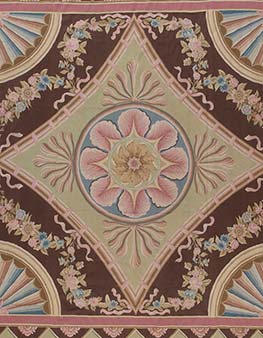
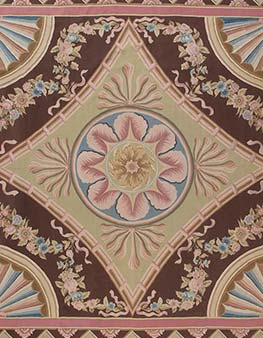
Traditional-Style Aubusson Floral Cream Beige Flatweave Wool & Silk Rug “Eventail” N11908
Size: 11'10" × 20'9" (360 × 632 cm)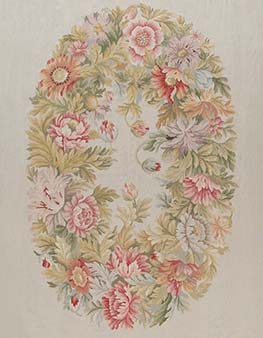
Circle Of Pastel Blooms Cream Beige Hand-Knotted Wool Flatweave-Style Carpet “Garlande” N11906
Size: 12'1" × 16'4" (368 × 497 cm)
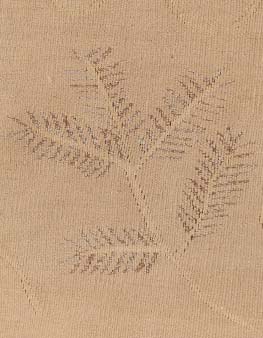
Traditional-Style Aubusson Floral Light Beige Flatweave Wool & Silk Rug “Frondelle” Designed By Eric Cohler N11905
Size: 12'0" × 18'0" (365 × 548 cm)Floral Flatweave-Style Wool Carpet In Soft Beige “Rosalace” N11904
Size: 12'3" × 20'1" (373 × 612 cm)Traditional-Style Floral Soft Beige Flatweave Wool Rug “Eglantine” N11903
Size: 11'9" × 18'3" (358 × 556 cm)Antique-Inspired Traditional Rug Aubusson Floral Cream Beige Flatweave Wool & Silk “Corolle” N11901
Size: 12'0" × 21'0" (365 × 640 cm)Traditional-Style Flatweave Floral Light Beige Hand-Knotted Wool Oversized Rug “Rocaille” N11900
Size: 11'10" × 16'8" (360 × 508 cm)Traditional-Style Flatweave Floral Cream Beige Wool Rug “Roseraie” N11898
Size: 12'4" × 20'0" (375 × 609 cm)Floral Flatweave-Inspired Classic Taupe Handmade Wool Rug “Octavia” N11897
Size: 15'0" × 23'10" (457 × 726 cm)Traditional Rug Antique-Inspired Floral Soft Beige Hand-Knotted Wool “Couronne” N11896
Size: 13'10" × 19'8" (421 × 599 cm)Traditional Rug Antique-Inspired Floral Ivory Flatweave Wool Carpet “Goldenrose” N11894
Size: 15'1" × 24'10" (459 × 756 cm)Antique-Inspired Traditional Floral Light Beige Flatweave Wool Carpet “Edera” N11893
Size: 12'0" × 18'2" (365 × 553 cm)Traditional-Style Aubusson Floral Light Beige Handmade Wool & Silk Rug “Blushvine” Designed By Eric Cohler N11890
Size: 4'10" × 10'8" (149 × 325 cm)“Millefleur” Traditional Flatweave Floral Soft Beige Wool Rug N11848
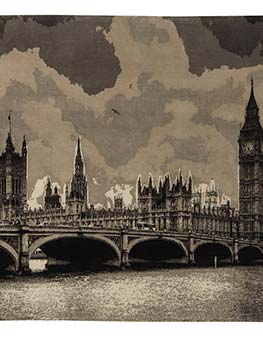
Size: 13'6" × 23'3" (411 × 708 cm)Contemporary Hand-Knotted Classic Taupe Handmade Wool Rug “Big Ben” N11654
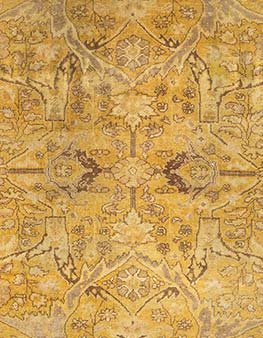
Size: 5'1" × 7'2" (154 × 218 cm)Contemporary Traditional Tabriz-Inspired Floral Light Gray Hand-Knotted Wool Rug “Ambervine” N11648
Size: 6'0" × 8'8" (182 × 264 cm)Traditional Antique-Inspired Floral Ivory Flatweave Wool Rug “Parterre” N11639
Size: 9'1" × 12'5" (276 × 378 cm) @RAntique-Inspired Traditional Aubusson Floral Soft Beige Handmade Wool Carpet “Chantilly” N11552
Size: 15'7" × 21'0" (474 × 640 cm)Floral Flatweave-Style Rug In Light Beige “Blanche Fleur” N11521
Size: 8'0" × 11'5" (243 × 347 cm)Floral Scalloped Medallion Warm Tan Flatweave-Style Carpet “Cartouche” N11487
Size: 7'4" × 14'0" (223 × 426 cm)Elegant Cream Floral Flatweave-Style Handmade Wool Carpet “Volute” N11440
Size: 14'2" × 22'2" (431 × 675 cm)Aubusson-Inspired Traditional Geometric Warm Tan Hand-Knotted Wool Rug “Geofleur” N11436
Size: 9'0" × 12'0" (274 × 365 cm)Bessarabian-Style Floral Cream Beige Handmade Wool Rug “Rosacruz” N11387
Size: 10'0" × 14'2" (304 × 431 cm)Bessarabian-Design Traditional Floral Golden Tan Flatweave Wool Rug “Rosarium” N11386
Size: 9'8" × 11'6" (294 × 350 cm)“Diadem” Traditional Contemporary Aubusson Floral Golden Tan Hand-Knotted Wool Rug N11384
Size: 9'7" × 14'4" (292 × 436 cm)“Menagerie” Modern Aubusson Floral Soft Beige Handmade Wool Rug N11383
Size: 5'8" × 9'6" (172 × 289 cm)
Traditional rugs FAQ
What defines a traditional rug today?
A traditional rug usually features established design elements such as medallions, borders, floral vines, palmettes, scrollwork, or allover lattice patterns. In a new rug category, these designs may be newly woven rather than antique, often using updated color palettes, adjusted scale, and fresh materials while preserving the visual language of Persian, Turkish, Indian, or European carpets.
Are these traditional rugs antique or newly made?
This category is primarily for new traditional and antique-inspired rugs, not necessarily antique rugs. Some designs reference Oushak, Tabriz, Sultanabad, Samarkand, Aubusson, or Bessarabian traditions. Antique rugs are typically 100+ years old, while new traditional rugs offer classical design with current condition, available sizing, and contemporary interior palettes.
Which rooms work best for traditional rugs?
Traditional rugs are well suited to living rooms, dining rooms, libraries, bedrooms, entries, galleries, and formal sitting rooms. Medallion rugs can center a room, while allover floral or lattice designs are easier to use with varied furniture placement. Oversized traditional rugs are especially useful in large interiors where the carpet must organize multiple seating or dining zones.
What materials are best for traditional area rugs?
Wool is a strong choice for traditional area rugs because it offers texture, resilience, and warmth. Silk or wool-and-silk rugs can add finer detail and luminosity, particularly in more formal interiors. Flatweaves and natural fibers create a lighter surface. The best material depends on room use, desired refinement, foot traffic, and maintenance expectations.
Can traditional rugs be custom made?
Yes, traditional rugs can often be custom made or adapted in size, palette, and pattern when an in-stock rug is not the right fit. Made-to-order options are particularly useful for oversized rooms, unusual dimensions, long halls, and interiors requiring a specific color balance. Custom work should be discussed in relation to design goals, material, and lead time.
How do I choose between medallion and allover designs?
Choose a medallion rug when the room has a clear center point, such as a symmetrical seating plan, dining table, or architectural axis. Choose an allover pattern when furniture placement is less formal or may cover the center field. Allover florals, vines, and geometric repeats are often more forgiving in layered, contemporary, or open-plan interiors.