

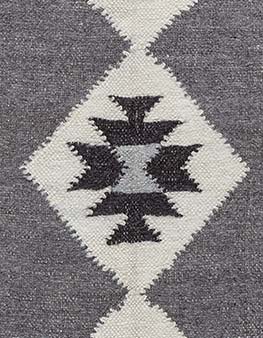
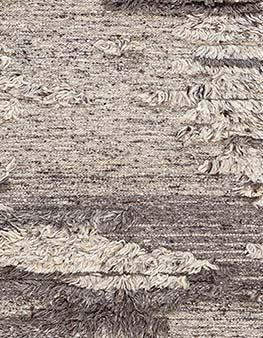
Misty Ivory Diamond Medallion Geometric Contemporary Hand-Knotted Goat Hair Carpet “Sierra” N11828
Size: 4'5" × 7'0" (134 × 213 cm)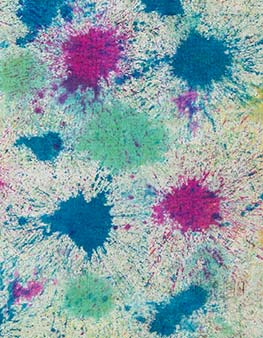
Abstract Modern Radial Splatter Light Blue Handmade Wool Rug “Supernova” N11735
Size: 4'9" × 7'0" (144 × 213 cm)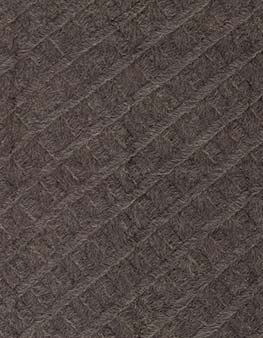
Contemporary Abstract Geometric Charcoal Handmade Goat Hair Carpet “Taurus” N11486
Size: 6'2" × 7'6" (187 × 228 cm)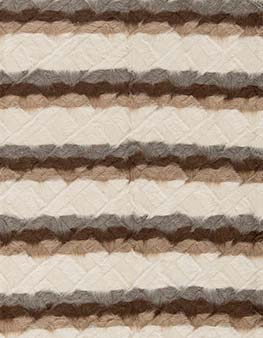
Modern Hand-Knotted Stripes Soft Beige Goat Hair Rug “Venatura” N11457
Size: 6'0" × 7'0" (182 × 213 cm)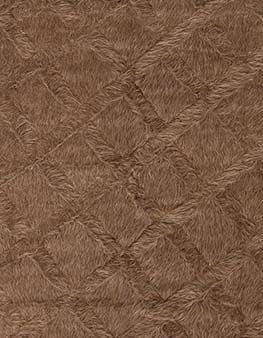
“Argyle” Modern Geometric Diamond Lattice Brown Handmade Goat Hair Rug N11456
Size: 5'4" × 7'1" (162 × 215 cm)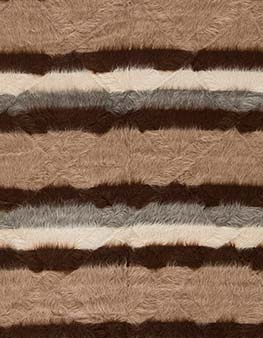
Contemporary Hand-Knotted Striped Cream Handmade Goat Hair Carpet “Gneiss” N11452
Size: 5'4" × 7'7" (162 × 231 cm)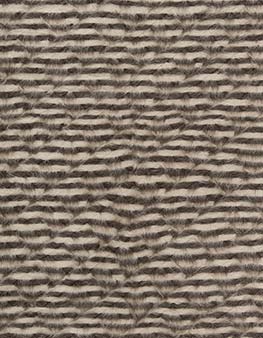
“Undine” Modern Hand-Knotted Striped Gray With Ivory Handmade Goat Hair Rug N11448
Size: 6'0" × 7'0" (182 × 213 cm)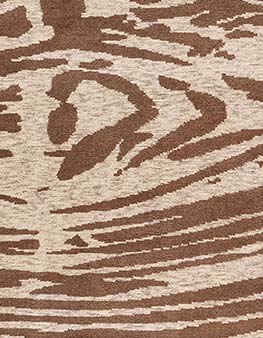
Abstract Modern Handmade Wool Rug In Warm Tan And Light Beige “Whirl” N12995
Size: 4'8" × 7'0" (142 × 213 cm)
“Tulu Nadu” Modern Abstract Classic Taupe With Light Beige Handmade Wool Rug N12992
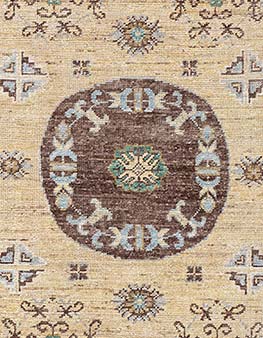
Size: 4'4" × 6'8" (132 × 203 cm)Samarkand-Inspired Traditional Greek-Key Meander Border Soft Beige Handmade Wool Carpet “Aegean” N12998
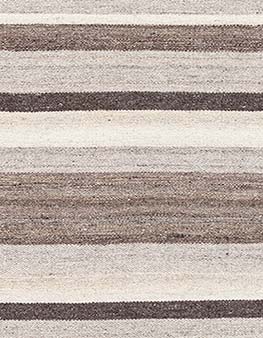
Size: 4'0" × 8'10" (121 × 269 cm)Modern Hand-Knotted Stripes Classic Taupe Handmade Wool Rug “Canyon” N12997
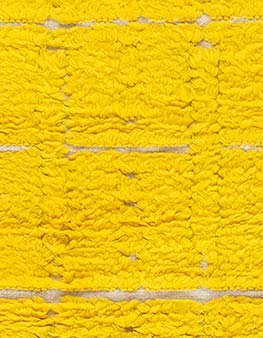
Size: 4'0" × 6'2" (121 × 187 cm)Flatweave Modern Geometric Yellow Rug “Radiant Tulu” N12994
Size: 3'6" × 6'6" (106 × 198 cm)Contemporary Aubusson Floral Light Gray Flatweave Wool Runner “Zephyra” N12984
Size: 4'2" × 10'10" (127 × 330 cm)Contemporary Abstract Geometric Light Beige Handmade Wool And Silk Carpet “Terrascape” Designed By Arthur Dunnam N12930
Size: 4'0" × 9'0" (121 × 274 cm)Modern Abstract Solid Pale Sand Handmade Silk Runner “Mielgrain” N12908
Size: 3'2" × 9'0" (96 × 274 cm)Abstract Modern Solid Pale Sand Handmade Silk Runner “Glint” N12907
Size: 3'2" × 9'0" (96 × 274 cm)Contemporary Solid Light Gray Hand-Knotted Runner “Silica Mist” N12875
Size: 2'11" × 7'3" (88 × 220 cm)Modern Hand-Knotted Solid Light Gray Handmade Wool & Silk Rug “Frostline” N12862
Size: 5'3" × 10'10" (160 × 330 cm)“Shaggy” Contemporary Solid Dusty Pink Hand-Knotted Rug N12849
Size: 3'0" × 6'7" (91 × 200 cm)Modern Flatweave Solid Soft White Handmade Wool Runner “Sterling” N12848
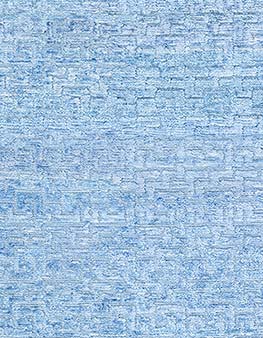
Size: 2'7" × 7'7" (78 × 231 cm)Modern Geometric Fret Pattern Light Blue Handmade Silk Runner “Aegean Maze” N12818
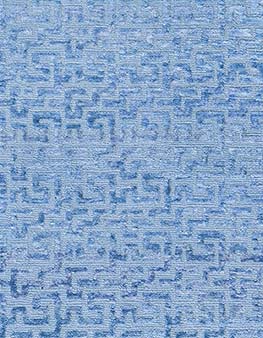
Size: 2'10" × 6'2" (86 × 187 cm)Geometric Contemporary Labyrinth Light Blue Handmade Silk Carpet azure “Azure Labyrinth” N12817
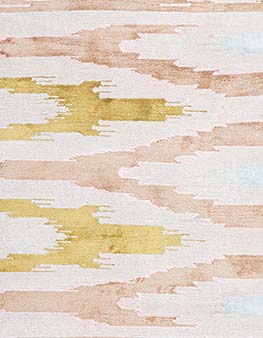
Size: 3'7" × 5'7" (109 × 170 cm)Abstract Ikat Design Contemporary Runner In Light Beige Hand-Knotted Wool & Silk “Ikatine” N12815
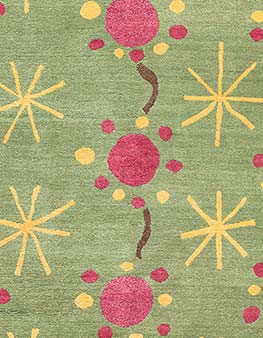
Size: 3'9" × 8'6" (114 × 259 cm)“Heliobloom” Modern Art Deco Floral Olive Handmade Wool Rug N12799
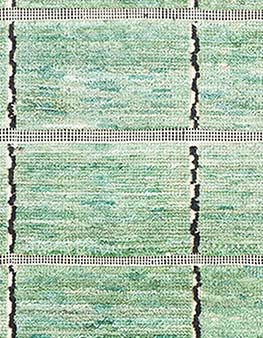
Size: 5'0" × 6'0" (152 × 182 cm)Geometric Modern Mint Lace-Grid Handmade Runner “Verdelace” N12784
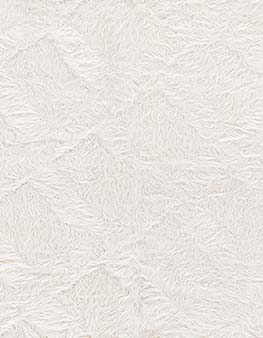
Size: 3'8" × 10'3" (111 × 312 cm)Contemporary Abstract Diamond Cream Hand-Knotted Goat Hair Rug “Ourain” N12775
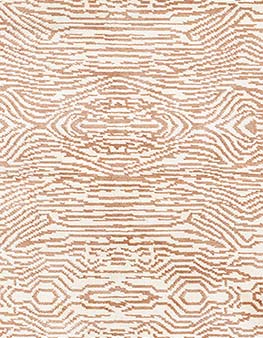
Size: 4'0" × 6'0" (121 × 182 cm)Contemporary Abstract Light Beige With Warm Tan Handmade Silk Carpet “Contoura” N12746
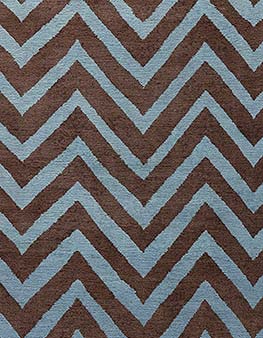
Size: 4'1" × 6'0" (124 × 182 cm) @Workshop“Chevron” Designed By Sandra Nunnerly Modern Geometric Brown And Slate Blue Hand-Knotted Wool Rug N12725
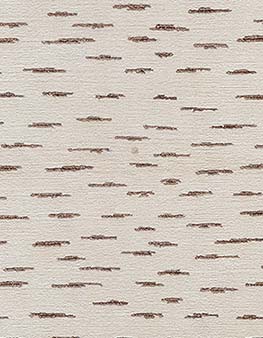
Size: 6'0" × 6'0" (182 × 182 cm)Modern Abstract Cream Hand-Knotted Wool And Leather Runner “Bouleau” N12715
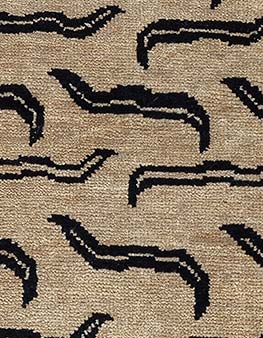
Size: 3'7" × 10'0" (109 × 304 cm)Modern Animal Geometric Warm Tan Handmade Wool Rug “Ebonrift” N12702
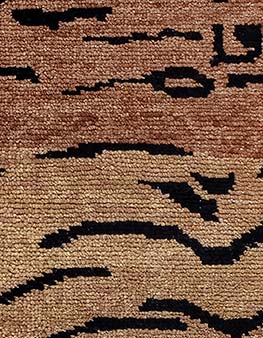
Size: 2'0" × 3'0" (60 × 91 cm)Modern Abstract Animal Warm Tan With Black Hand-Knotted Wool Rug “Tigris” N12701
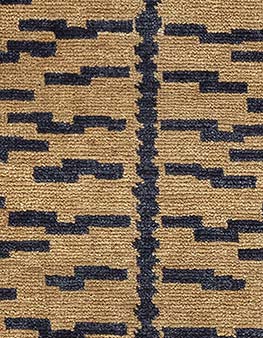
Size: 2'0" × 3'0" (60 × 91 cm)Modern Animal Geometric Sand With Charcoal Handmade Wool Rug “Rainstep” N12700
Size: 2'0" × 3'0" (60 × 91 cm)



Small Rugs FAQ
Where do small rugs work best in interiors?
Small rugs are useful in foyers, beside beds, under accent chairs, in studies, dressing rooms, compact seating areas, and layered spaces. They help define a zone without covering too much flooring, making them especially valuable in rooms with fine wood, stone, or architectural detailing.
What size is considered a small rug?
A small rug is generally smaller than a standard room-size carpet and often falls into accent or compact area rug dimensions. The right size depends on placement: a bedside rug, foyer rug, or study accent may require different proportions, so exact listed width and length should guide selection.
Are small hand-knotted rugs durable?
Well-made small hand-knotted rugs can be durable, especially when woven in quality wool and placed appropriately for the room’s traffic. Construction, fiber, knotting, and condition all affect performance. Silk or wool-and-silk rugs may be better suited to lower-traffic decorative areas.
Can a small rug be used over a larger carpet?
Yes, small rugs are often layered over larger carpets, sisal, or broadloom to add pattern, color, texture, or a focal point. For successful layering, consider pile height, edge thickness, contrast, and furniture placement so the smaller rug looks deliberate and remains stable.
Which materials are best for small luxury rugs?
Wool is valued for resilience, texture, and versatility, while silk brings luster and fine detail. Wool-and-silk rugs combine softness, sheen, and dimensional pattern. Flatweave wool rugs can be especially practical where a lower profile is needed, such as near doors or under furniture.
Do small rugs come in custom sizes?
When an existing small rug does not fit a project, a made-to-order rug can often provide the right dimensions, palette, weave, and design scale. Custom sizing is particularly helpful for foyers, bedside placements, narrow rooms, built-in furniture arrangements, and designer-specified interiors.
How should designers choose patterns for small rugs?
Designers should consider whether the rug needs to blend quietly or create a focal point. Geometric and abstract patterns suit many contemporary interiors, while floral, Samarkand-inspired, Oushak-style, Art Deco, Moroccan, or Scandinavian references can add character, historical resonance, or decorative contrast.