


Khorassan Rugs
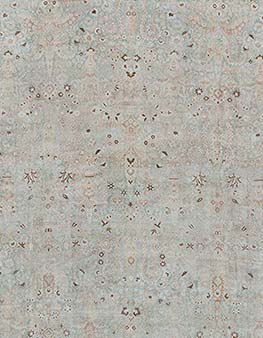
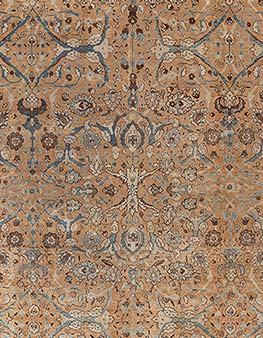
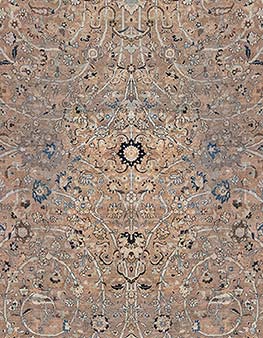
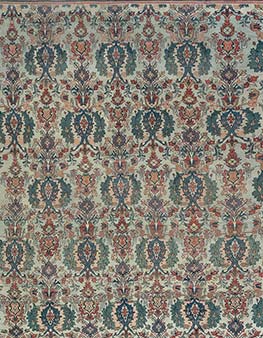
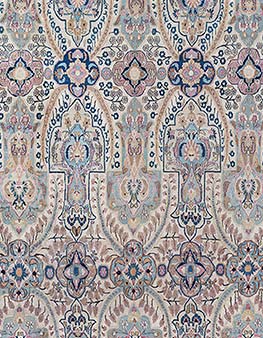
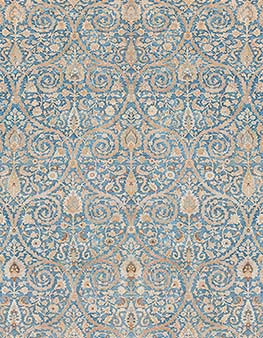
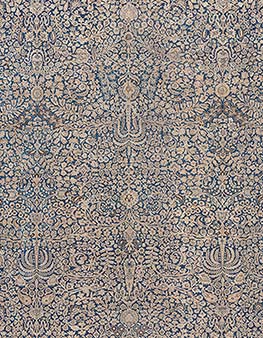
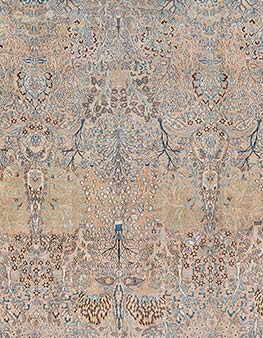
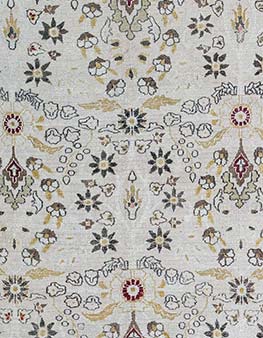
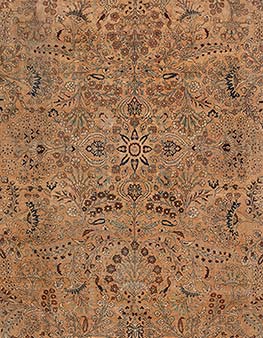
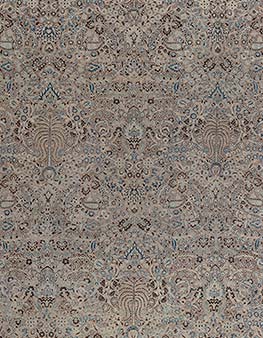
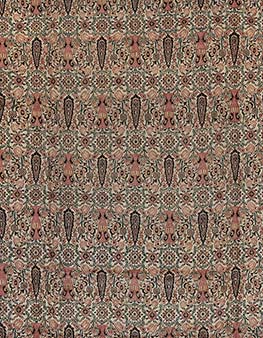
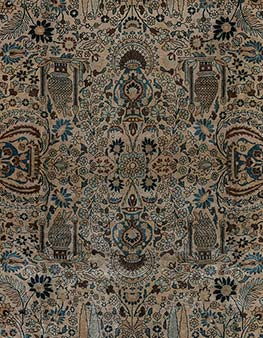
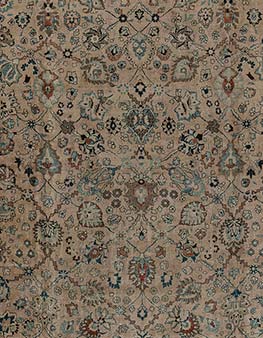
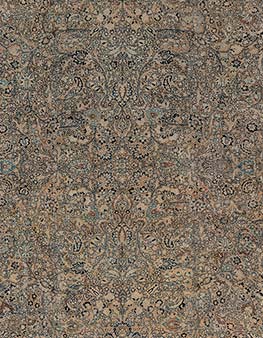
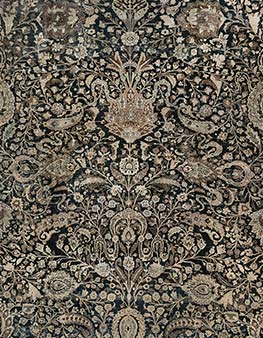
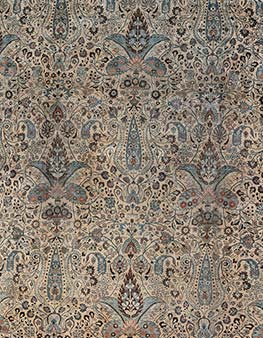
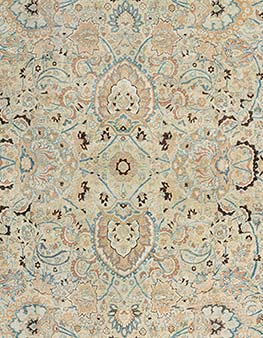
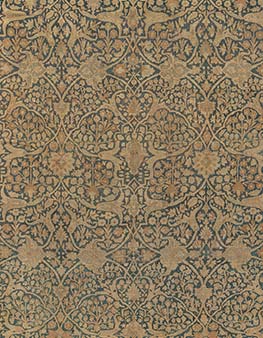
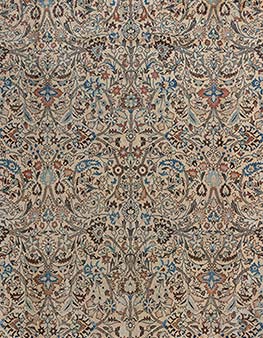
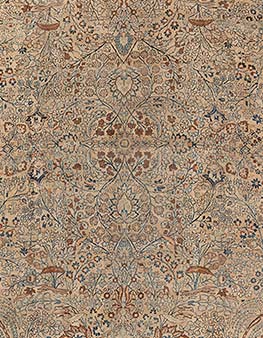
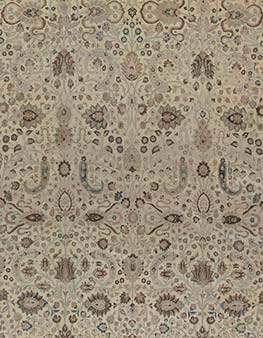
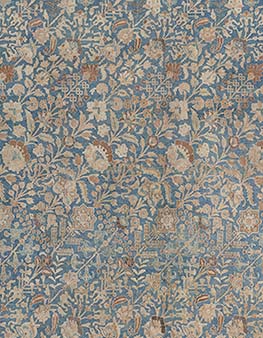
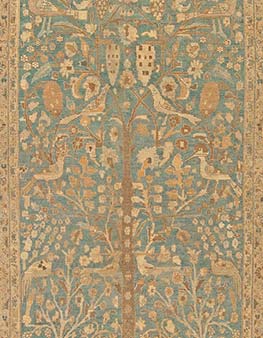
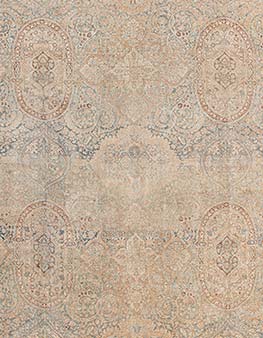
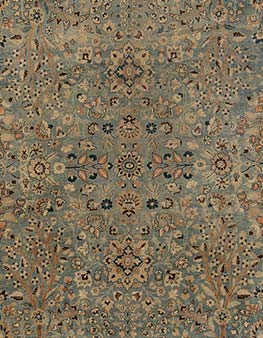
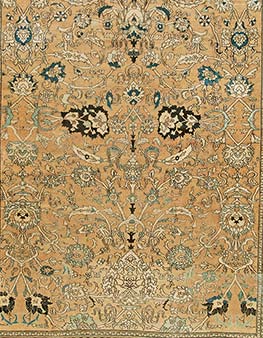
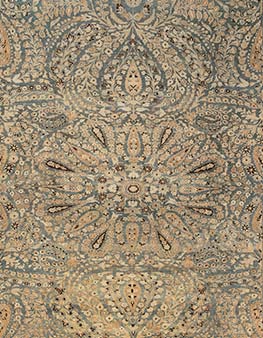
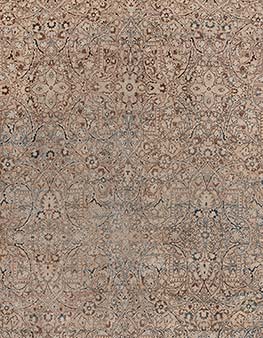
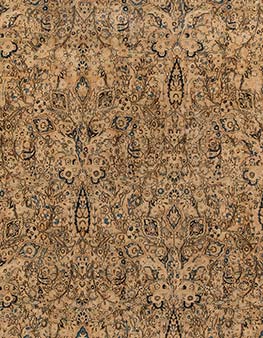
Khorassan rugs occupy an important place within the tradition of Persian rugs, particularly for buyers seeking large-format antique carpets with graceful drawing, durable hand-knotted construction, and a palette suited to sophisticated interiors. Woven in northeastern Iran, the Khorassan region produced workshop and village carpets ranging from refined floral allover designs to medallion compositions and occasional geometric influences. Many antique Khorassan carpets appeal to interior designers because they combine Persian structure with a decorative softness: warm tan, ivory, sand, beige, taupe, burgundy, indigo, and pale green tones that can work in both traditional and transitional rooms.
Persian Craftsmanship and Regional Character
The most desirable antique Khorassan rugs are typically hand-knotted in wool, often with a thin, closely packed pile that gives the surface clarity without making the carpet feel heavy. Antique rugs are generally understood in the market as pieces that are 100 years old or older, and many Khorassan carpets from the late nineteenth and early twentieth centuries show the refined workshop discipline associated with Persian weaving centers such as Meshad, Doroksh, Amoghli, Makhmalbaf, Saber, and related regional production. For collectors and decorators, these rugs are valued not only for age, but for proportion, drawing, color balance, and preservation.
Design is a major reason Khorassan carpets remain so useful in luxury interiors. Allover floral patterns can visually expand a room because the eye is not forced toward a single center point, making them effective beneath dining tables, in seating areas, libraries, and primary bedrooms. Medallion examples introduce more formality and architectural focus. Some pieces show arabesque, botanical, or scrolling vine work; others reveal subtle geometric rhythm influenced by the region’s position near Turkmen weaving traditions and historic trade routes. The best examples feel spacious rather than crowded, with motifs that remain legible at large scale.
- Review the stated age or circa date in relation to antique market standards.
- Compare size carefully, especially for room-size and oversized carpets.
- Look at field design: allover layouts feel more flexible than strong medallions.
- Evaluate wool quality, pile height, foundation, and visible condition details.
- Choose palette by room light, upholstery, wall color, and architectural finish.
Choosing Khorassan Carpets for Luxury Interiors
Because many Khorassan rugs were woven in large proportions, they are especially useful for formal living rooms, galleries, great rooms, dining rooms, and expansive bedrooms where a standard area rug can feel underscaled. Oversized Khorassan carpets often create a calmer foundation than heavily contrasted Persian rugs, particularly when the palette leans toward soft beige, warm tan, cream, or muted taupe. A floral antique carpet can soften contemporary architecture, while a darker indigo or burgundy example can add depth to wood paneling, stone, leather, and collected furnishings.
Doris Leslie Blau Selection and Buying Considerations
Doris Leslie Blau has sourced rare antique and decorative rugs from estates, auctions, dealers, and private collections since 1965, and that experience matters when evaluating hand-knotted Persian carpets at this level. Each Khorassan rug should be considered individually: origin attribution, age, weave, material, repairs, patina, color, and scale all affect how the piece performs visually and commercially. Visible product details and pricing help designers and private buyers compare options efficiently. For projects that require an exact size, palette, or modern interpretation beyond the available antique inventory, custom made rugs may be considered as a separate solution while preserving the design intent of the room.