
Hooked & Rag Rugs
Hooked rag rugs occupy a distinctive place between folk art, decorative textile, and practical floor covering. Unlike formal Persian rugs or European palace carpets, hooked and rag rugs often grew from domestic making traditions: strips of wool, cotton, or reused fabric were looped, pulled, tied, braided, or worked through a foundation to create durable pattern and surface texture. In luxury interiors today, that history gives them a character that feels less polished than a workshop carpet but often more personal, graphic, and unexpected.
Vintage American Hooked Rugs and Folk Craft Character
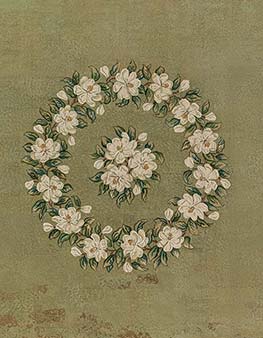
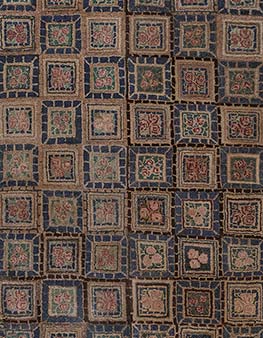
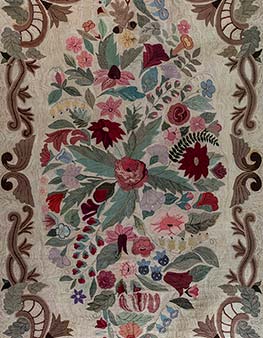
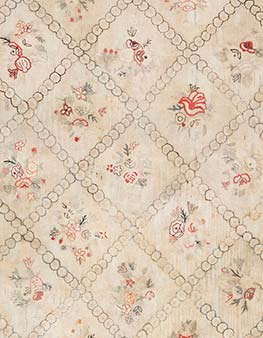
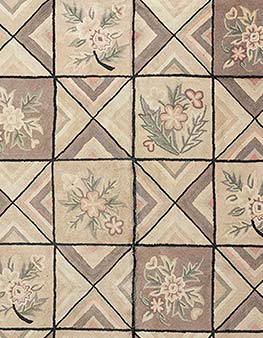
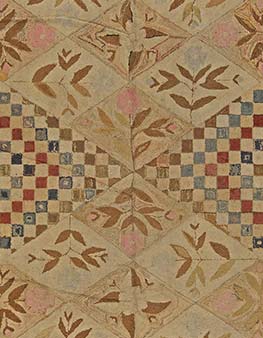
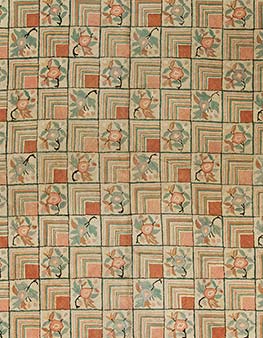
Many sought-after vintage hooked rugs are associated with American and Northern European craft traditions, especially the floral, animal, landscape, geometric, and checkerboard motifs that developed in homes rather than court workshops. Their appeal lies in the hand of the maker: irregular drawing, softened color, tactile wool, and compositions that can read as both rustic and modern. Doris Leslie Blau’s work with estates, auctions, dealers, and private collections since 1965 is especially relevant in this category, where age, condition, originality, and decorative strength matter as much as formal pedigree.
How to Choose a Hooked or Rag Rug
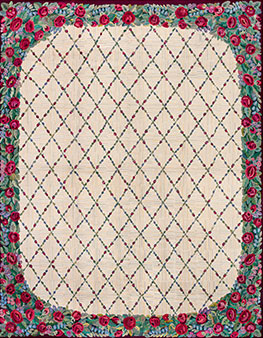
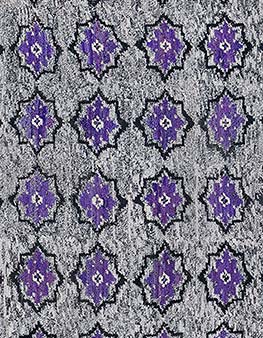
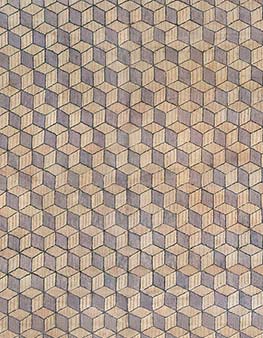
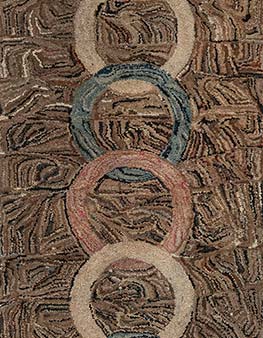
For interior designers and collectors, the best vintage hooked rugs are selected with the same discipline used for antique area rugs: study the construction, foundation, pile or loop structure, repairs, palette, and how the design will sit in the room. A large floral hooked carpet can soften a living room or bedroom, while an abstract slate-gray or warm tan example may work beautifully with modern upholstery, plaster walls, natural wood, and collected art. Runners and square formats can add texture where a conventional Oriental rug might feel too formal.
- Confirm the rug’s size against furniture placement, not only room dimensions.
- Review condition, wear, repairs, edges, and backing before final selection.
- Use floral hooked rugs to introduce warmth without heavy ornament.
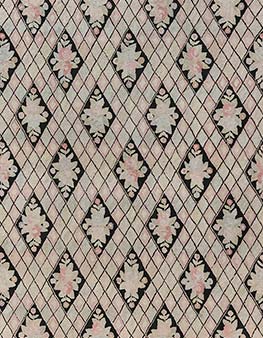
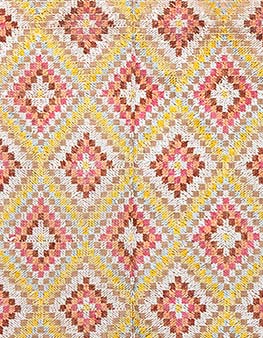
- Consider geometric and abstract designs for modern or transitional interiors.
- Choose wool examples when softness, texture, and decorative depth are priorities.
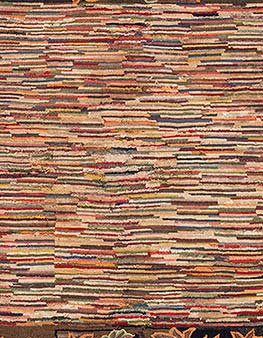
Rag rugs should be evaluated for weave density, material mix, color movement, and structural integrity. Some pieces have a casual stripe or patchwork rhythm; others have the scale and presence of decorative carpets. Antique rugs are typically 100+ years old, while many hooked and rag rugs available for interiors are vintage rather than antique, making accurate description important. The most successful pieces balance charm with usability: enough patina to show history, enough strength to function in a designed space.
Decorating with Hooked and Rag Rugs
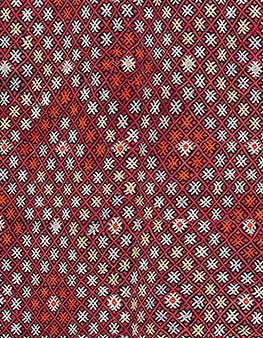
Hooked and rag rugs are particularly useful where an interior needs texture without the formality of a medallion carpet. They pair well with Scandinavian furniture, American antiques, painted wood, linen upholstery, Art Deco pieces, contemporary art, and layered country-house rooms. Soft beige, ivory, tan, and gray palettes can quiet a space, while floral and tribal motifs bring liveliness to libraries, bedrooms, sitting rooms, and secondary living areas.
Because Doris Leslie Blau serves designers, architects, collectors, and luxury homeowners, each piece is presented as more than a decorative accent. Buyers can compare scale, pattern, material, and visible listing details, then consider how a hooked wool rug or rag carpet will contribute to the broader scheme. When a vintage piece is not available in the exact size a project requires, a custom made rug may be considered as a separate solution, while the original hooked and rag rugs remain valued for their authentic craft, texture, and individuality.