


French Antique Rugs for Refined Interiors
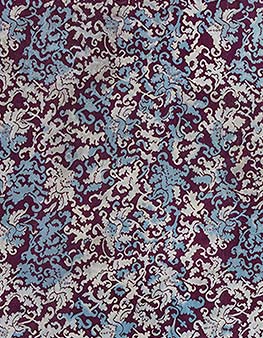
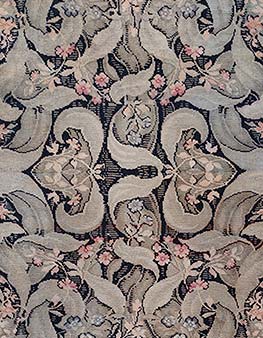
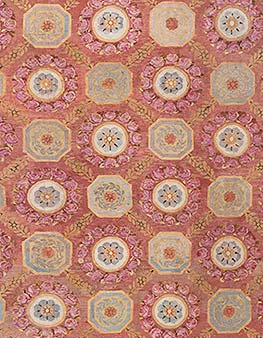
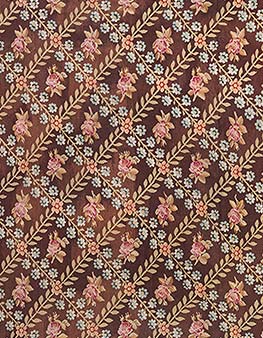
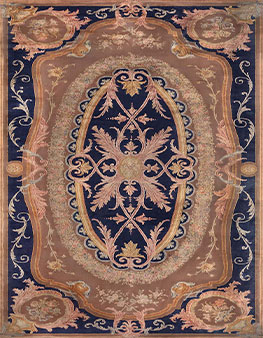
French antique rugs occupy a distinct place within European decorative arts: more architectural than casual country carpets, yet often softer in palette than many Persian or Oriental rugs. This category brings together antique Aubusson rugs, Savonnerie carpets, needlework rugs, runners, and large-scale French area rugs chosen for elegant rooms where proportion, surface, and historical character matter. At Doris Leslie Blau, each piece is considered through the practical lens serious buyers use: origin, period, weave, material, condition, color, pattern, and how the rug will perform visually in a finished interior.
Aubusson, Savonnerie, and French Weaving Character
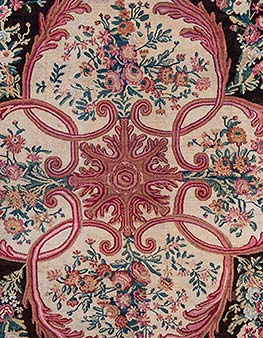
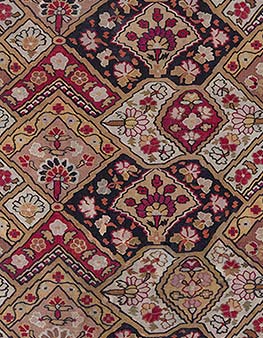
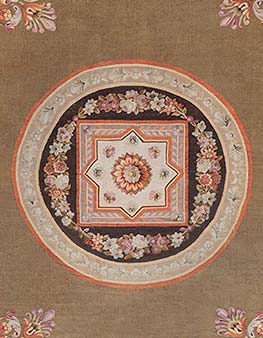
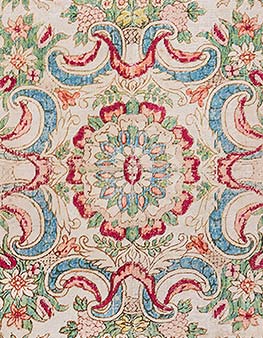
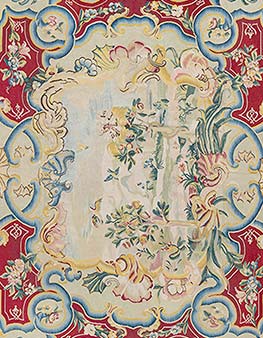
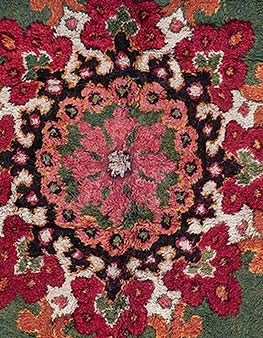
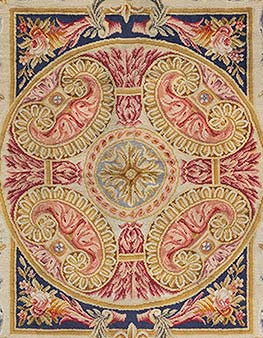
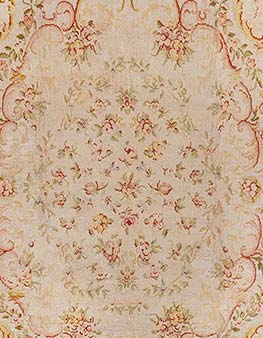
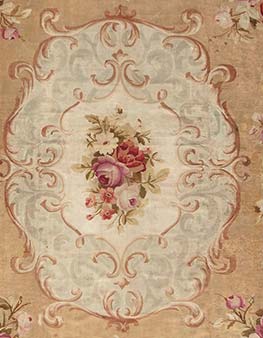
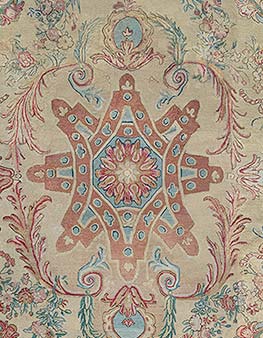
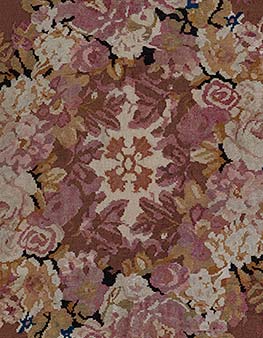
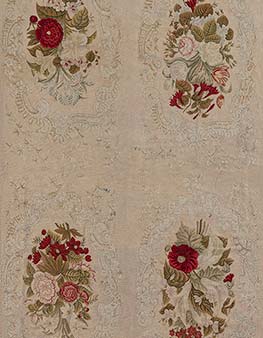
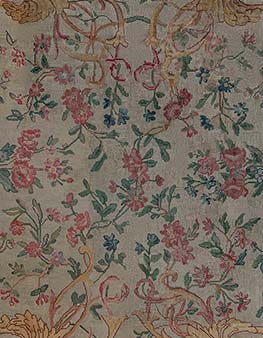
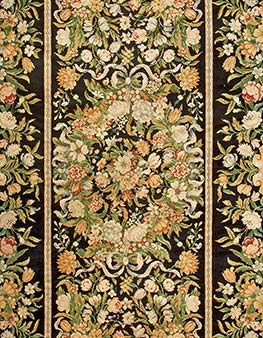
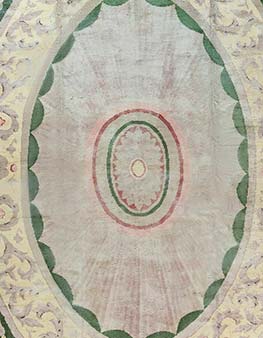
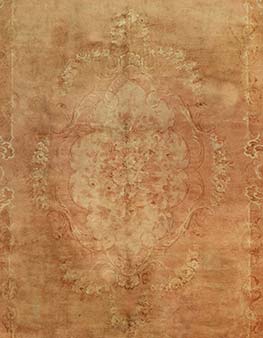
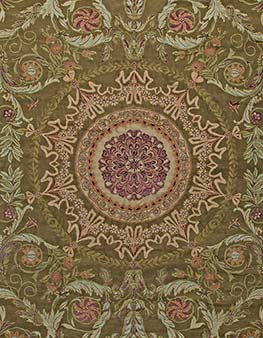
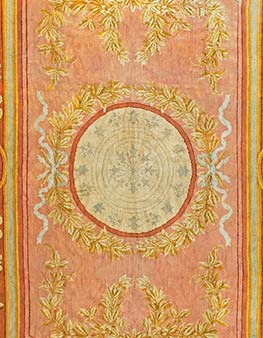
Aubusson Antique Rugs are closely associated with tapestry weaving and low-pile, flatwoven surfaces that translate beautifully into drawing rooms, bedrooms, libraries, and formal dining areas. Their designs often include floral garlands, cartouches, central medallions, architectural borders, or allover botanical arrangements. French Savonnerie Rugs, by contrast, are commonly admired for their hand-knotted structure, sculptural ornament, and courtly design language. Both traditions can bring structure to a room without the visual weight of darker antique carpets.
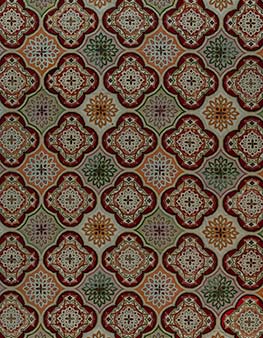
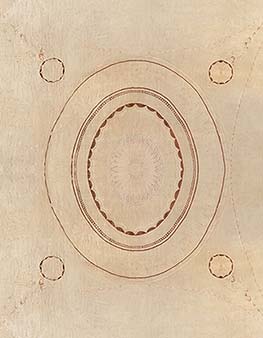
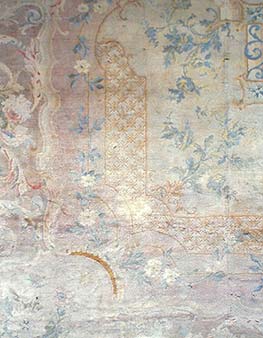
The most desirable examples are not simply old; they have balance. A successful French carpet may combine an ivory field with taupe, gold, blue, celadon, rose, or warm tan accents in a way that supports upholstery, paneling, plaster walls, antiques, or contemporary furniture. Many rugs in this category show the soft abrashed tones, aged wool, mellow silk highlights, and decorative patina that make antique area rugs especially useful for interior designers seeking depth without excessive contrast.
How to Evaluate a French Antique Rug
Antique rugs are typically defined in the market as pieces approximately 100 years old or older, although some collectible French carpets may be later vintage works or attributed designs. Buyers should look beyond the name alone. Construction, condition, repairs, border completeness, size adjustments, and surface wear all influence suitability. A fragment can still be highly decorative in the right setting, while a large hand-knotted wool carpet may serve as the central design element in a formal living room, gallery-like entry, or expansive primary suite.
- Confirm dimensions against furniture plans, including border visibility.
- Compare flatwoven Aubusson texture with hand-knotted Savonnerie pile.
- Study the palette in relation to upholstery, wall color, and lighting.
- Review condition notes, age, materials, and any size adjustment.
- Consider oversized rugs or runners for halls, salons, and dining rooms.
Design Value in Luxury Rooms
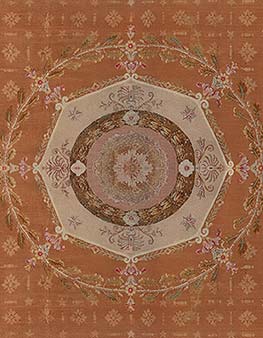
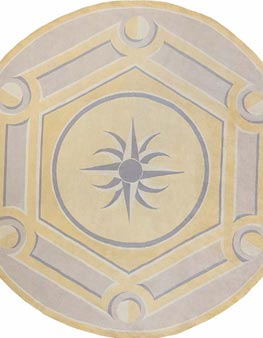
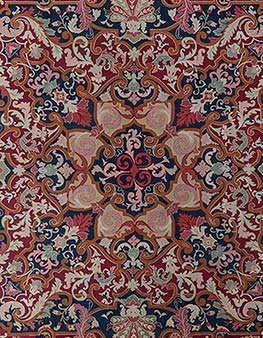
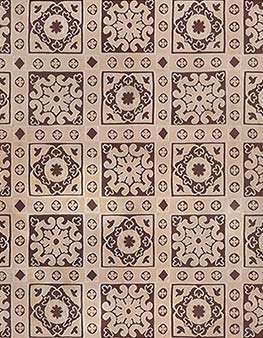
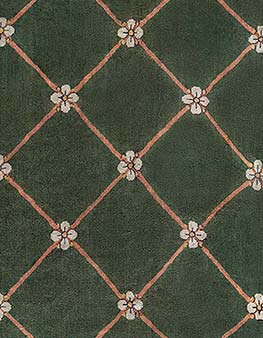
The appeal of French antique carpets lies in their ability to make a room feel composed rather than decorated around a single object. A cream Aubusson can quiet an ornate interior; a large Savonnerie medallion carpet can anchor formal seating; a geometric or neoclassical French rug can bridge antique furniture and modern architecture. For collectors, the interest may be period, workshop tradition, rarity, or attribution. For designers, it is often the combination of scale, restrained color, and a pattern vocabulary that works with both European antiques and edited contemporary rooms.
Doris Leslie Blau has sourced antique rugs from estates, auctions, dealers, and private collections since 1965, giving clients access to pieces selected for both connoisseurship and use. Product listings allow buyers to compare visible pricing, dimensions, origin clues, materials, and design character before contacting the gallery. When an antique French rug is not the right size or palette for a project, the broader Doris Leslie Blau program can also support custom made rugs and made-to-order designs inspired by historic European carpet traditions, without treating an original antique as something that can simply be duplicated.