


Vintage Dhurrie Rugs
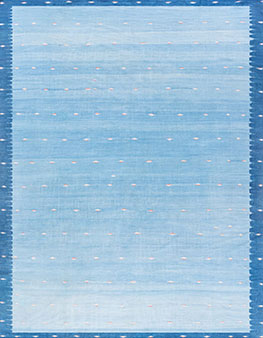
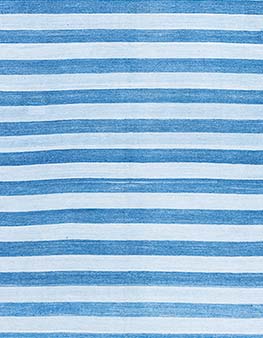
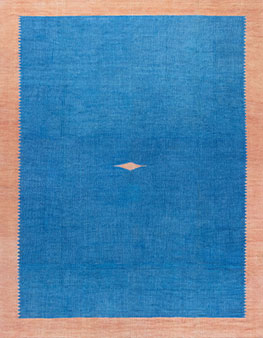
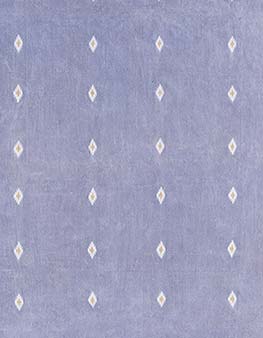
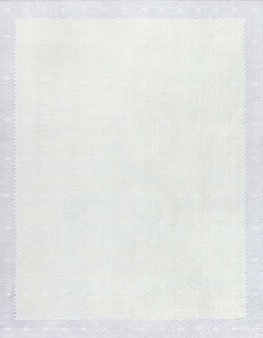
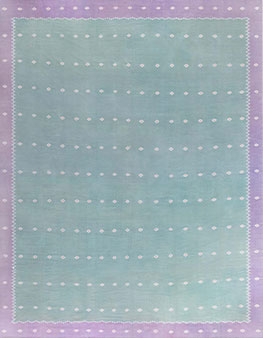
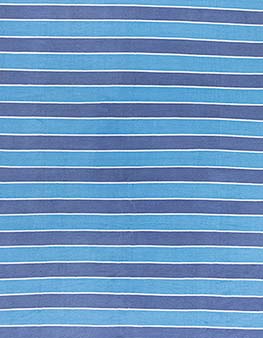
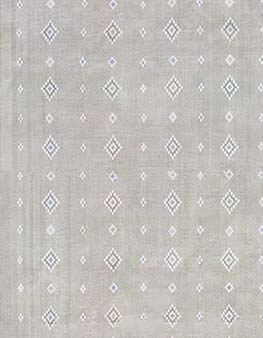
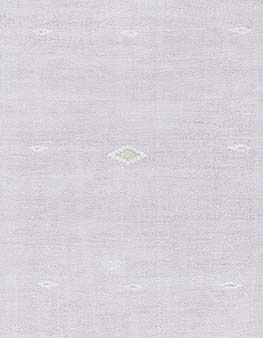
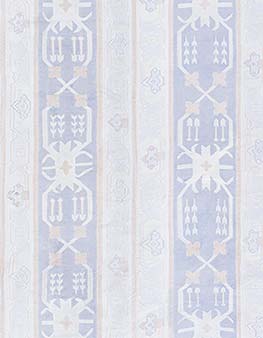
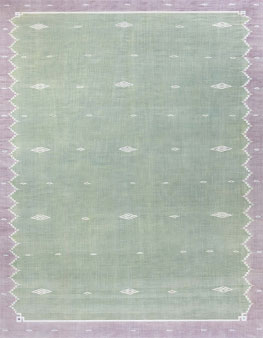
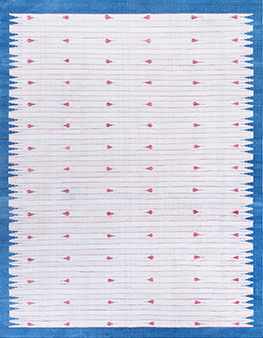
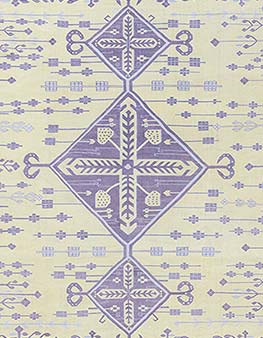
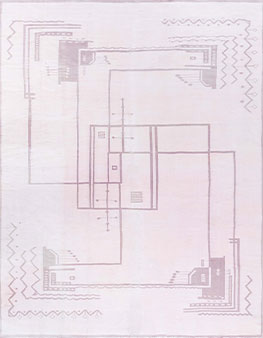
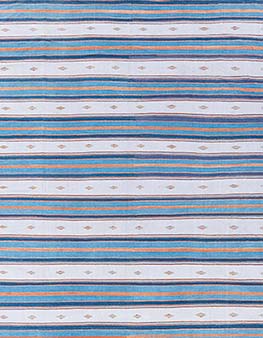
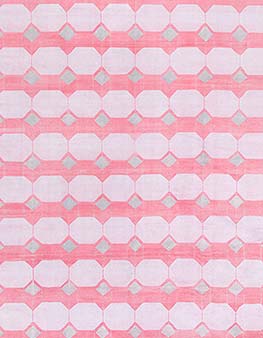
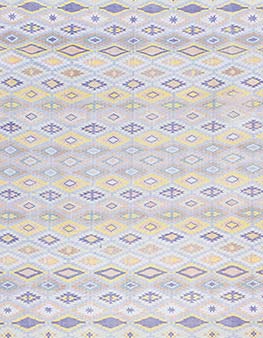
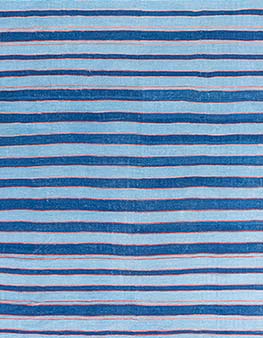
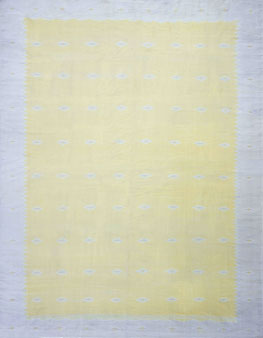
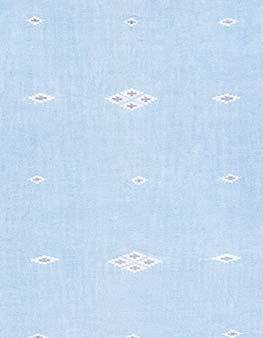
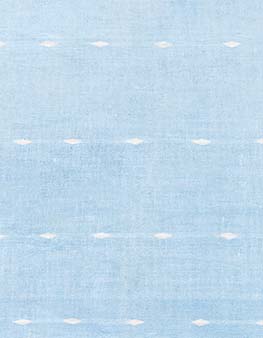
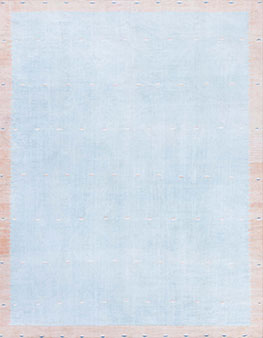
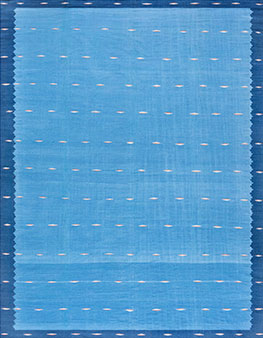
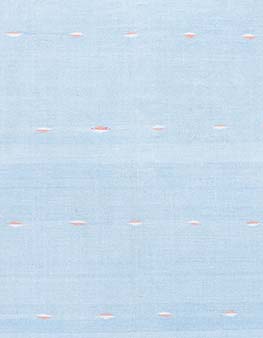
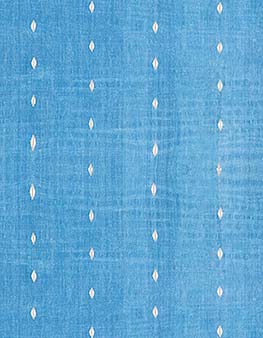
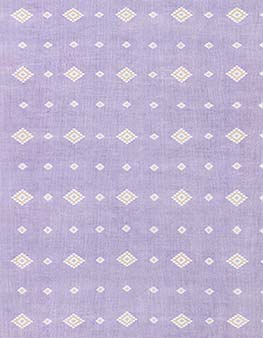
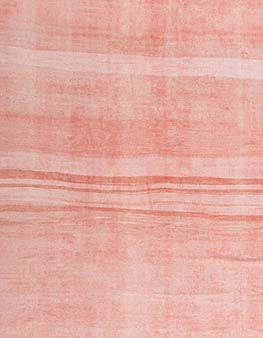
Vintage Dhurrie rugs are among the most versatile Indian flatweave carpets for luxury interiors: graphic enough for modern design, relaxed enough for layered rooms, and refined enough for formal spaces when the scale and palette are chosen well. Unlike pile carpets, Dhurries are woven flat, giving them a crisp surface, low profile, and architectural clarity. Doris Leslie Blau’s selection emphasizes decorative vintage and mid-century examples in cotton and wool, including soft blue, ivory, beige, lavender, pink, sage, gray, striped, floral, geometric, and abstract designs.
Indian flatweave character and design value
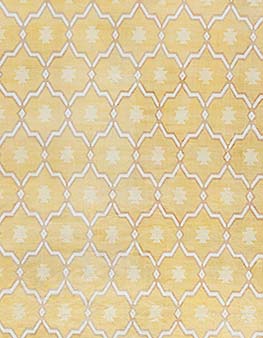
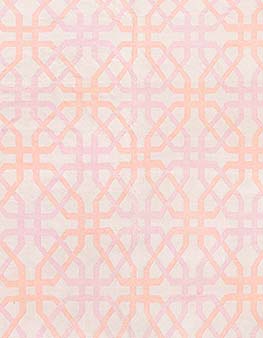
Dhurries have long been associated with Indian textile culture, from practical household weavings to highly considered decorative carpets. Their appeal lies in restraint: a well-chosen Dhurrie can define a room without overpowering art, furniture, or architectural details. Many vintage Indian Dhurrie rugs use repeated geometry, broad borders, Greek key motifs, stripes, medallion-like panels, or simplified florals. The result is a design language that works naturally with mid-century furniture, coastal interiors, Swedish and Scandinavian pieces, contemporary upholstery, and antique wood.
Because a Dhurrie is a flatweave rug, the surface reads differently from a hand-knotted Persian or Oriental carpet. Pattern is built through the interlacing of warp and weft rather than pile, creating a cleaner line and a more textile-like presence. Cotton Dhurries often feel lighter and more flexible, while wool examples can add body and warmth. Serious buyers should compare not only color and size, but also weave density, edge finishing, repairs, fading, staining, and how the rug will sit under furniture.
How to choose a vintage Dhurrie rug
The best Dhurrie for a room depends on proportion and use. Large pale carpets can make a living room feel expansive, while stronger indigo, teal, pink, or patterned pieces can anchor a seating area or library. Long Dhurrie runners suit galleries, hallways, and transitional spaces where a pile rug may feel too heavy. Oversized Dhurries are especially valuable for designers because they can cover broad floor plans without adding visual weight.
- Measure the room and furniture plan before comparing available sizes.
- Choose cotton for a lighter, crisper flatweave feel.
- Consider wool when more substance and texture are desired.
- Use geometric Dhurries to balance curved or upholstered furniture.
- Review condition, edges, color variation, and visible pricing.
Vintage, custom, and made-to-order possibilities
Doris Leslie Blau has sourced rugs from estates, auctions, dealers, and private collections since 1965, a history that supports a carefully edited approach to vintage, antique, and decorative carpets. In this category, the focus is on Indian Dhurrie rugs with strong design utility: room-size carpets, square formats, oversized pieces, runners, and softer palettes that designers can place in both traditional and contemporary projects. Each listed rug offers dimensions and pricing so buyers can compare options with practical clarity.
When an original vintage Dhurrie is not available in the exact size, palette, or repeat needed for a project, a made-to-order Dhurrie rug may be an appropriate alternative. Custom Dhurries can preserve the flatwoven character of the category while adapting scale, color, and pattern to a specific room. For collectors and interior designers alike, the value of this category is its rare combination of authenticity, graphic discipline, durable materials, and decorative flexibility.