

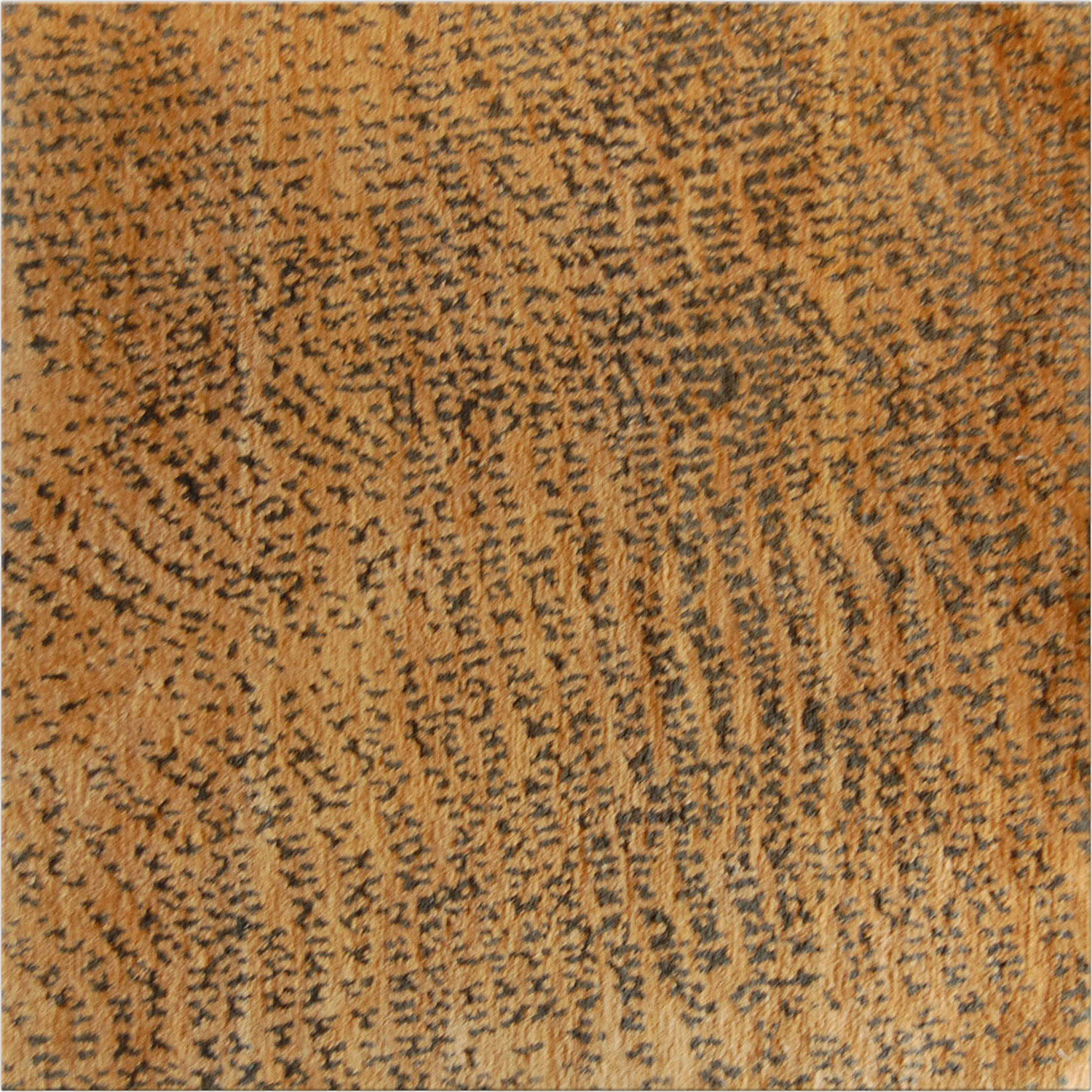
A strong rug specification sheet does more than prevent ordering mistakes. It gives a designer a clear framework for deciding whether a rug should anchor a seating arrangement, soften a long corridor, define a dining zone, or quietly support an architectural plan without competing with it. When the project calls for custom rugs, that framework becomes even more important, because every choice—from scale and fiber to finishing and pile—has to be resolved before production begins. The best specifications are not long for the sake of being long; they are disciplined, practical, and built around the room itself.
Designers often treat rug specification as a final administrative step, but it should be considered part of the spatial design process. A rug changes how a room reads in plan, how furniture relates at ground level, and how materials behave under light, movement, and use. On a simple sheet, those issues can be captured in a way that protects the design intent and gives the workshop the information it needs to execute accurately. That is especially true for designer custom rugs, where proportion, material behavior, and edge treatment have to be resolved with the same care as upholstery or millwork.
This checklist is designed for real projects, not abstract ideals. It is meant to help you organize decisions before ordering, reduce ambiguity between designer, client, and maker, and avoid the common problem of a rug that is technically correct but visually wrong. Whether the project is a formal living room, an open-plan loft, a bedroom with tight clearances, or a hospitality space with demanding traffic, the same basic questions apply. The difference lies in how precisely you answer them.
Set project goals, use case, and room constraints
Start by defining what the rug needs to do in the room, because a specification sheet that begins with dimensions alone can miss the most important part of the brief. A rug used to frame a conversation area will need a different visual weight than one meant to soften acoustics in a double-height room or unify a series of seating islands in an open plan. The goal may also be emotional rather than purely practical: quiet restraint, visual warmth, a stronger sense of enclosure, or a measured contrast against stone, plaster, or dark wood. Once the role is clear, the rest of the decisions become easier to judge.
Room constraints should be written down before any design direction is finalized. Note fixed architectural elements such as columns, vents, radiators, hearths, floor registers, built-ins, and door clearances, because each of these can affect usable rug size and placement. Also record the room’s light exposure and traffic pattern, since a south-facing sitting room and a dim library may call for different fibers, colors, and surface textures. In a project with pets, children, or frequent entertaining, durability and cleanability should be part of the brief from the beginning rather than added later as a compromise.
For example, a large living room with two sofas facing each other may appear to need a very large field of pattern, but the real issue may be circulation around the coffee table and the relationship between the front legs of each piece. In that case, the rug is not just decorative; it is the device that prevents the furniture from floating apart. A disciplined spec sheet should note this use case in plain language so the production drawing reflects the room’s behavior, not just its outline.
Confirm dimensions, placement, and furniture relationships
Measurements need to be more than width and length. A proper rug specification should include the room dimensions, the planned rug dimensions, the clearances to walls or architectural features, and the exact relationship to furniture. For a seating area, note whether all front legs sit on the rug, whether all four legs sit on the rug, or whether the piece is intended to float beyond the seating perimeter. For dining rooms, confirm that chairs remain on the rug when pulled out, which usually means allowing generous extension beyond the table on every side.
Placement is just as important as size. A rug can feel too small even when the math is technically correct if it sits too far from a sofa or fails to align with the room’s central axis. In a long room, a slightly off-center placement can make circulation feel awkward, while in a symmetrical room, exact alignment can reinforce calm and order. Designers working on custom rug design often sketch the rug into the floor plan more than once, adjusting for sightlines from entry points, the relationship to pendant lighting, and the visual weight of adjacent furniture.
When specifying unusual rooms, record the problem itself, not only the solution. A bay window, a angled wall, a staircase landing, or an oversized gallery-style room may require custom contouring, inset zones, or careful border decisions. The more precisely you describe the obstacle, the easier it is for the maker to anticipate how the finished rug will read in the room. That kind of documentation also helps avoid the all-too-common mismatch between a beautiful carpet on paper and a layout that feels underscaled once installed.
If your workflow includes a measurement archive, keep one master plan with room dimensions and one annotated plan for the rug. Designers who work on repeated projects often cross-check these with a custom rug sizing guide so the intended scale stays consistent from concept through production. That extra step is valuable when multiple rooms in a residence need different rugs but must still feel visually connected.
Record fiber, pile, border, and finishing preferences
Material selection should be documented with the same care as size. Fiber affects sheen, durability, softness, maintenance, and how a color reads under natural and artificial light. Wool remains a practical choice for many rooms because it balances resilience and comfort, while silk introduces luminosity and a finer surface effect that can suit more formal spaces. Blends can be useful when the design requires both depth and performance, but the specification should state why a blend is being chosen rather than leaving it implicit.
Pile height is one of the most overlooked parts of rug specification, even though it can completely change how a room functions. A low pile may be preferable under dining chairs, at entrances, or in highly trafficked spaces where movement and maintenance matter. A higher pile can create softness and visual depth in a bedroom or sitting room, but it may also alter the way furniture sits and how easily doors clear the surface. For hand-knotted rugs, the relationship between knot density, pile height, and pattern clarity should be considered together, not as separate preferences.
Border treatment deserves equal attention because it shapes how the rug holds the room. A wide border can frame furniture and create a sense of architecture, while a narrow border or borderless field can make a pattern feel more contemporary and expansive. Finishing details such as binding, hand-serging, fringe, or a cut edge should be selected with the room’s style and usage in mind. In a quieter interior, the finish may need to disappear; in a more expressive scheme, it can reinforce the overall rhythm of the piece.
Color notes should go beyond a single swatch reference. Write down whether the palette should read warm, cool, muted, saturated, tonal, or high contrast, and specify how it should interact with flooring, upholstery, wall color, and daylight. A rug that looks perfect in isolation may seem overly dense beside a patterned sofa or too pale against a dark floor. This is where designer custom rugs become especially useful, because the specification can insist on a color relationship rather than a generic palette.
Organize approvals and production notes
Once the design direction is set, the specification sheet should clearly separate what is confirmed from what is still under review. List the approved dimensions, the final material choice, the border and finishing direction, and any pattern or color constraints that cannot be altered without re-approval. If the project includes a sampling phase, record which samples were viewed, in what light, and which details were accepted or rejected. That documentation prevents later confusion when someone remembers a rug as “more neutral” or “slightly lighter” without a shared reference.
Production notes should be specific enough to guide the maker without inviting interpretation where none is needed. Include any directional pattern requirements, center alignment expectations, edge tolerance concerns, and installation conditions such as stairs, curves, or irregular corners. If the rug must align with a fireplace, a wall panel, or a central ceiling fixture, say so directly. Ambiguity at this stage can produce a piece that is beautifully made but visually misaligned with the architecture it was supposed to support.
It also helps to note who is responsible for final sign-off at each stage. In many projects, the designer approves scale, the client approves palette, and the workroom confirms feasibility. When those roles are documented, approvals move more cleanly and fewer decisions get repeated later in the process. That is especially valuable in large residences, hospitality interiors, or multi-room projects where several rugs are being developed at once and consistency matters as much as individual expression.
For designers and homeowners seeking custom rug solutions, the specification sheet should function like a living project document rather than a static purchase form. It should capture what the room needs, what the design intends, and what the maker must know to translate those choices accurately. When that system is in place, the rug stops being a last-minute accessory and becomes part of the architecture of the room.
Practical specification checklist
- Room function and intended use: seating, dining, bedroom, corridor, or transitional zone.
- Full room dimensions, rug dimensions, and required clearances to walls and fixed elements.
- Furniture relationship: under front legs, fully under furniture, or centered as a zonal anchor.
- Fiber preference, pile height, and durability requirements based on traffic and maintenance.
- Border, finishing, and edge treatment instructions.
- Color direction, light exposure, and coordination with surrounding materials.
- Any irregularities, architectural obstacles, or alignment requirements.
- Approval status, sample references, and final production contacts.
FAQ
What should a strong spec sheet include?
A strong rug spec sheet should include the room’s function, measured dimensions, intended placement, furniture relationships, material preferences, pile height, border treatment, finishing details, and any architectural constraints. It should also record light conditions, traffic level, and the approval path for samples or revisions. The goal is to reduce interpretation by making the design intent visible in writing.
How do I avoid missing a critical measurement?
Measure the room twice and document the rug in plan as well as on site. Include fixed elements like vents, radiators, hearths, columns, door swings, and built-ins, since these can change the usable footprint even when the main room dimensions seem straightforward. Many designers also keep one annotated sketch showing the rug’s relation to each major furniture piece so there is no confusion later.
What should be confirmed before ordering?
Before ordering, confirm the final size, the exact placement, the approved fiber and pile, the border or finishing choice, and any pattern alignment requirements. It is also wise to confirm who has final approval and whether the workroom has enough information to proceed without assumption. If the room is unusual, make sure the spec addresses the problem directly rather than relying on a generic standard layout.
Why are custom rugs useful in complicated rooms?
They allow the rug to follow the room rather than forcing the room to adapt to a standard size. That is especially helpful in open-plan spaces, rooms with awkward proportions, and interiors where furniture zoning, circulation, and visual balance all need to work at once. With careful specification, a custom piece can solve spatial problems while still supporting the style of the interior.
For projects that require more than a standard size or a quick material decision, Doris Leslie Blau can help translate a room plan into a considered rug brief with the right scale, construction, and finish. If you are refining a specification for a residence, a hospitality space, or a challenging floor plan, expert guidance can make the difference between a good idea and a finished piece that fits with authority.