

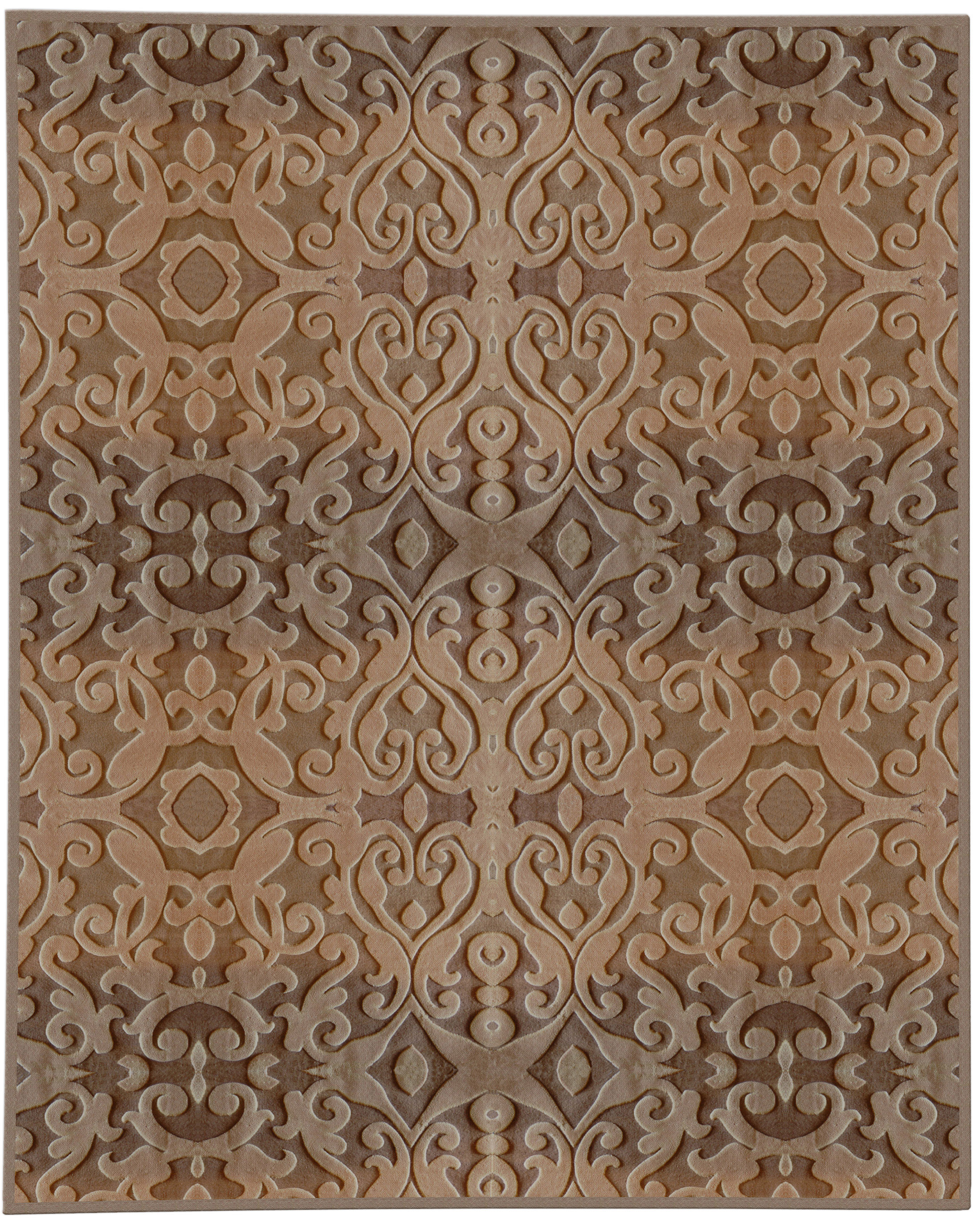
Nursery rugs do a lot of quiet work. They soften the room underfoot, absorb sound, help define zones around the crib and changing table, and keep the space from feeling visually busy. The best choices are not only soft to the touch but also easy to live with, because a nursery has to support naps, late-night feedings, crawling, play, and the occasional spill without losing its composure.
When people ask how to choose rugs for children, the real question is usually how to balance comfort, cleanability, and restraint. A nursery should feel calm enough for rest, but not so delicate that it becomes stressful to use. That is why material, pile height, construction, and size matter as much as pattern or color. A well-chosen rug can make the room feel finished while still allowing the furniture and circulation to work naturally.
Choose materials that balance softness and maintenance
For most families, material choice is the first and most important decision. Wool remains one of the strongest options because it offers natural resilience, good insulation, and a pleasing level of rug softness without feeling overly precious. It also has enough body to hold its shape beneath a crib or rocker, which matters in a room where furniture tends to stay in one place. A hand-knotted rug can be especially appealing here because it combines durability with a refined surface that wears gracefully over time.
If you want a more sumptuous hand to the rug, silk blends or finer wool constructions can create a smoother feel under bare feet, though they usually require more careful placement and maintenance. Flatweaves are another practical choice for nurseries because they are easier to vacuum and less likely to trap crumbs, lint, or small toys. In rooms where a child will spend a lot of time on the floor, many designers prefer a low- to medium-pile rug that feels inviting but does not become a maintenance burden. The right answer is often less about the softest possible fiber and more about which surface remains pleasant after daily use.
Construction also changes how a rug behaves in a nursery. Hand-knotted rugs typically have a more tailored finish and a longer useful life, while hand-tufted options can provide plushness at a different price point but may not offer the same structural longevity. For families thinking long term, custom rugs can be designed around a specific size, pile, and material mix so the piece works with the room rather than forcing the room to adapt to the rug. That flexibility is especially useful when the nursery has unusual proportions or when the same room will later become a toddler space or playroom.
Keep the palette soothing without becoming bland
Color in a nursery should support calm, but that does not mean the room needs to disappear into beige. Soft ivory, oat, warm gray, muted blue, and pale sage all create a restful base, especially when the rest of the room includes wood furniture, linen drapery, or softly painted walls. The goal is visual ease: a rug that grounds the room without competing with the crib, wall art, or lighting. When the palette is too flat, the space can feel unfinished; when it is too saturated or high contrast, it can become overstimulating.
Pattern can do useful work here. A subtle geometric, faded floral, or small-scale border can keep a room from feeling sterile while still reading as calm from a few feet away. For nurseries, the best patterns often have a controlled rhythm rather than a loud repeat, because the rug will be seen from many positions: while standing at the door, sitting in a rocker, or looking down from the crib area. If the rest of the room is already detailed, a quieter rug often creates the most elegant balance.
Light also affects how the color reads. A north-facing nursery may make cool tones feel colder than expected, while a sunlit room can wash out pale colors and make texture disappear. In those cases, a slightly warmer neutral or a rug with more visible weave depth can keep the room from feeling thin. This is where designer specification becomes useful: the same rug can look serene in one home and dull in another unless the architecture, lighting, and furniture finishes are considered together.
Plan around crib placement and changing zones
Nursery rugs work best when they are planned as part of the furniture layout, not added at the end. A rug should ideally extend beyond the front and side of the crib so the room feels anchored rather than dotted with separate objects. If the rug stops too close to the furniture, the composition can look cramped, and the crib may seem to float awkwardly on the floor. In larger nurseries, a generous rug can also help define a soft central field for play, which is useful once the baby begins rolling, sitting, and crawling.
The changing zone deserves equal attention. If the changing table sits near a wall or in an alcove, the rug should still provide enough coverage to soften your step when you enter that area at night. In rooms with multiple functions, a rug can also help separate the sleep zone from the play zone without using physical partitions. That is particularly helpful in open-plan interiors or rooms with secondary furniture like a reading chair, book storage, or a compact dresser.
One practical example: imagine a square nursery with the crib on the longest wall, a rocker near the window, and a dresser with changing tray opposite the door. A rug that sits too small under the crib alone will make the room feel choppy, but a larger rectangle that carries beneath the rocker and reaches toward the changing area can unify the entire layout. The piece does not need to be the largest item in the room, but it should be the one that quietly organizes the space. If the nursery has an unusual footprint, custom rugs can solve proportion problems that standard sizes often cannot.
Think in zones, not just in feet and inches
Because nurseries are used differently throughout the day, it helps to think about how each zone is experienced from a seated or standing position. The rug should support the places where adults spend the most time: beside the crib, in the rocker, and near the changing station. It should also give the child a soft field for the floor, especially once toys and books start to appear. In practice, that means allowing the rug to do more than decorate a central area; it should connect the room’s functions.
Consider how the rug will work as the child grows
A nursery rug should not be so themed or fragile that it feels obsolete in two years. The most successful choices have enough restraint to live through several stages of childhood, from infancy to toddlerhood and beyond. That usually means avoiding overly literal motifs and instead choosing a rug with good proportion, tactile depth, and a palette that can absorb changing accessories. A well-made rug can remain in place even when the crib becomes a bed and the glider gives way to a desk or play table.
Longevity also matters from a maintenance perspective. High-traffic edges near the door or changing area are likely to show wear first, so durability should be considered alongside softness. A denser weave, stable backing, and thoughtfully chosen fiber can help the rug maintain its surface even as the room becomes more active. For families planning a lasting interior, the logic is straightforward: buy for the room it is becoming, not only for the baby it is now.
This is where rug scale and proportion become part of the design, not an afterthought. A rug that is just large enough for infancy may feel undersized once furniture expands or circulation changes. A more considered size can keep the room visually grounded while avoiding the need to replace the rug as soon as the child grows. The result is a nursery that feels composed rather than temporary, which is often the real mark of good design.
Practical details that make nursery rugs easier to live with
Maintenance should be built into the decision from the start. A nursery rug needs enough texture to feel warm, but not so much surface complexity that vacuuming becomes tedious. Medium pile and low-profile constructions are often easier to manage around small toys, crumbs, and daily dust. If a room is especially prone to spills, a rug with a denser weave and a quieter pattern can be kinder over time because it disguises small marks without hiding poor upkeep.
Acoustics are another overlooked advantage. Rugs help soften the noise of footsteps, dropped toys, and moving furniture, which matters in a room designed for sleep. They also improve the tactile atmosphere of the space, making it more comfortable for a caregiver sitting on the floor or kneeling beside the crib. In that sense, rug softness is not only a comfort issue but a design issue: the floor surface affects how the entire room feels to use.
For families who prefer a more tailored look, a made-to-order approach can be especially useful because it allows the rug to respond to the room’s exact dimensions, furnishing plan, and color temperature. That level of precision is valuable in nurseries where circulation paths are tight, windows dictate light quality, or the architecture is not standard. Doris Leslie Blau often approaches these rooms with the same discipline used in more formal interiors: focus on proportion, fiber, and finish first, then refine the visual language so the room remains gentle and practical at once.
How to choose rugs for children without overcomplicating the room
When choosing rugs for children, it helps to keep the criteria clear. First, the rug should feel comfortable enough for daily use on the floor. Second, it should clean up reasonably well. Third, it should suit the room’s proportions and furniture layout rather than fighting them. If those three conditions are met, the decorative choices become much easier to make.
In nurseries, restraint often produces the best result. A rug with good craftsmanship, balanced color, and a calm pattern can support the room for years, while a more novelty-driven piece may feel dated before the furniture does. That does not mean every nursery has to be neutral; it simply means the rug should help the room settle, not shout for attention. The strongest designs usually have enough character to feel individual and enough discipline to stay useful.
FAQ
What rug material is best for a nursery?
Wool is often the most balanced choice because it offers softness, durability, and a naturally resilient surface that holds up well in daily use. If ease of cleaning is a higher priority, a flatweave or a low-pile construction can be more practical. For a more luxurious feel, a fine wool or wool blend can provide comfort without making the room feel delicate.
Should a nursery rug be patterned?
It can be, as long as the pattern supports the room rather than dominating it. Small-scale geometrics, softened borders, and quietly faded motifs often work well because they add dimension while keeping the atmosphere calm. If the nursery already has strong wallpaper, colorful bedding, or sculptural furniture, a more restrained rug is usually the better choice.
How do I make it easy to clean?
Choose a rug with a practical pile height, a construction that vacuums easily, and a color or pattern that does not show small marks immediately. Place a quality rug pad underneath to improve stability and reduce wear, especially if the rug is in a high-use zone near the crib or changing table. Regular vacuuming and prompt attention to spills will preserve both appearance and texture over time.
Can a nursery rug be used later in another room?
Yes, if the design is restrained enough to transition well. Many rugs that work beautifully in nurseries can later move into a bedroom, study, or playroom if the scale and palette are not too theme-specific. This is one reason custom rugs can be such a smart decision: they can be made with long-term use in mind rather than a single stage of life.
For a nursery that feels composed from the start and still makes sense years later, the right rug choice can be the quiet centerpiece. If you want help refining scale, material, or proportion for a particular room, Doris Leslie Blau can offer specialist guidance rooted in craftsmanship and design expertise.