

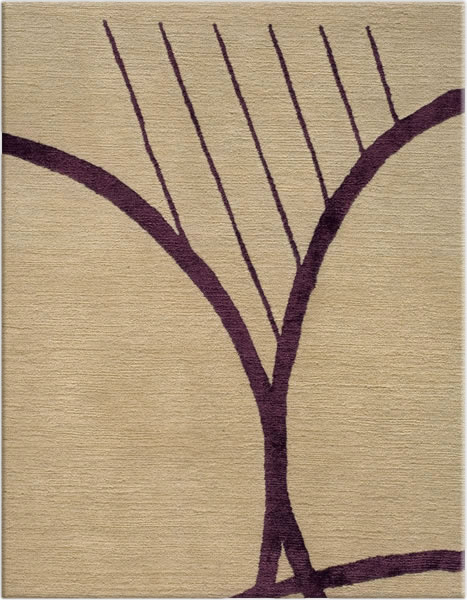
Crafting a restful bedroom sanctuary begins underfoot, where the precise choice of custom rugs defines the visual perimeter and elevates the tactile experience. By selecting tailored area rugs that extend beyond the edges of a bed, designers can harness enhanced underfoot comfort and refine bedroom acoustics for a true retreat. High-pile or low-pile constructions, blended fiber combinations, and curated color palettes converge to create a space that is both inviting and serene. Personalized floor coverings not only anchor furniture arrangements but also absorb ambient noise, establishing an atmosphere of calm. This guide explores the interplay between fiber performance and design intent, offering professional-grade recommendations for textures, patterns, and maintenance. Whether you prefer hand-knotted luxury or power-loomed precision, these insights will help you integrate custom rugs seamlessly into your restful haven. Dive deeper into our bespoke carpets collection or consult the luxury rug care guide for additional inspiration and best practices.
Why Tailored Area Rugs Enhance Bedroom Comfort
Tailored area rugs bring a level of precision to bedroom design that off-the-shelf carpets cannot match, framing the bed with exact dimensions and pattern placement to suit architectural features. By commissioning a custom rug, homeowners can dictate the pile height, density, and weave construction to achieve balanced underfoot comfort without compromising bedroom acoustics. A hand-tufted, 1.5-inch cut-pile wool rug with a densely packed stitch count will cradle each step, while also absorbing ambient sound frequencies typical in residential interiors. The precise edge finishes—be it serged, bound, or a classic French whip—ensure that the perimeter of the rug remains crisp and resistant to fraying over time. In rooms with hardwood or stone floors, a custom rug can be backed with an integrated natural latex layer for slip resistance and enhanced impact cushioning. Consider coordinating the scale of motifs with ceiling heights and window widths, using oversized medallions, stripes, or geometric lines that complement your architecture. For a curated selection of shapes, materials, and exclusive handcrafting options, explore our bespoke carpets collection featuring limited-edition artisan designs.
Beyond technical specifications, custom rugs imbue a sense of ownership and exclusivity in bedroom interiors, reinforcing the notion that every detail has been curated for maximum comfort and style. Designers often map out the rug’s proportions to align with bedside tables or floating nightstands, ensuring a two-foot perimeter of plush flooring around all sides of the bed. This generous border not only enhances underfoot comfort during dawn or dusk transitions but also creates acoustic-friendly zoning, mitigating footfall noise and echo in larger spaces. Custom area rugs can incorporate tonal shading, sculpted piles, or subtle ombré effects to establish a gentle gradient under furniture clusters, lending depth and dimension to otherwise flat floors. By specifying UV-stable dyes and certified clean-percentage wool or silk blends, you ensure color fidelity and fiber resilience against everyday wear. For guidance on preserving your investment and keeping fibers resilient, refer to our luxury rug care guide detailing cold-water spot treatment techniques and professional cleaning intervals. This level of bespoke detailing elevates bedroom design from mere decoration to a fully integrated sensory experience.
Choosing Plush Fibers for Warmth and Acoustics
Selecting the right fiber composition is essential for balancing warmth underfoot with superior bedroom acoustics. Natural wool remains the benchmark for resilience and sound absorption, particularly when spun at high twists per inch and densely knotted at a gauge of eight or higher. Wool fibers trap air within their scales, creating a thermal barrier that keeps toes cozy on chilly mornings, while their inherent elasticity reduces impact noise. For a silk-blend option, consider noil silk yarns twisted with fine merino wool to introduce a subtle sheen and a softer hand without sacrificing durability. If hypoallergenic performance is a priority, bamboo silk and viscose blends offer a silky drape and moderate noise dampening, though they require cautious care. Fiber selection also influences static generation: 100% wool or polypropylene-wool mixes are preferred for minimal static cling. Ask your rug specialist to provide laboratory acoustic test data, such as NRC (Noise Reduction Coefficient) ratings, to validate performance. This level of technical scrutiny ensures your plush personalized floor covering delivers both sumptuous warmth and measurable acoustic benefits.
When evaluating fiber options, density and pile height are equally critical in transforming a custom rug into a sound-buffering floor system. Denser constructions—exceeding 2.5 million knots per square meter or utilizing a cut-and-loop technique—trap sound waves more effectively than open, flatweave patterns. Pile heights between 1.25 and 2.25 inches are ideal for bedrooms, striking a balance between visual loft and manageable cleaning routines. For a low-maintenance yet sumptuous finish, consider mixed-pile configurations where longer cut tufts are interspersed with shorter loops, creating a structured surface that still softens echoes. Combine these specifications with an industrial-grade latex backing to boost decibel reduction by up to 20 percent compared to ordinary rugs. By cross-referencing manufacturer data and independent acoustic lab results, you can tailor your fiber choices to meet precise sound absorption targets. The result is a bedroom floor covering that feels like walking on a cloud while actively supporting restful sleep through optimized bedroom acoustics.
Layering Rugs for Depth and Texture
Layering custom rugs is a sophisticated strategy for introducing depth, pattern interplay, and tactile contrast in bedroom interiors. Start with a flatweave natural-fiber foundation—such as jute or sisal—cut to match the room’s overall footprint, providing a natural tonal base. Position a second, smaller custom rug in a coordinating color or pattern directly under the bed, allowing the foundation layer to peek out around the edges. This layered approach enhances underfoot comfort by combining the sturdiness of a flatweave with the plushness of a higher-pile accent rug. Select overlapping textiles with complementary geometric motifs or differing pile heights to inject visual intrigue without overwhelming the scheme. Color theory plays a vital role: using analogous hues can evoke tranquility, while a subtle complementary accent adds a refined pop of interest. By specifying custom dimensions, you can achieve precise layering alignment that standard rugs cannot replicate, ensuring each layer sits flush beneath bedroom furnishings without awkward gaps or overlaps.
For an unexpected twist, incorporate a hand-painted or hand-screened custom rug as a third layer, transforming the floor into a living art installation. These ultra-thin specialty rugs—often using novelty yarns like silk bouclé or metallic threads—introduce fine textural details without adding significant height. When layered over a primary area rug, they instantaneously create bespoke focal points at the foot of the bed or alongside an upholstered bench. Designers may choose asymmetric layering, staggering the edges to reveal sequential textures, or align borders for a tailored look that mirrors architectural lines. Ensure that underlay grippers and anti-slip pads are used beneath each layer to maintain stability and prevent shifting. This multi-layer strategy not only amplifies underfoot comfort but also enriches bedroom acoustics by adding additional fibrous surfaces to trap sound. Embrace customization to orchestrate a floor composition that feels both harmonious and impeccably curated.
Care Practices to Preserve Softness
Maintaining the luxurious hand of any custom rug hinges on meticulous, fiber-specific care protocols that protect pile integrity and color vibrancy. Begin with routine vacuuming using a suction-only head to remove surface dust and grit without disturbing the pile structure; this practice significantly extends fiber life and preserves underfoot comfort. Rotate the rug every three to six months to even out wear patterns, especially in high-traffic pathways leading to bedside benches or closets. When addressing spills, blot immediately with a clean, white microfiber cloth—never rub—and apply a mild, pH-neutral detergent diluted in cold water, testing in an inconspicuous corner first. Specialized wool-safe stain removers can be used sparingly, ensuring quick blotting and minimal moisture penetration to avoid backing saturation. For routine maintenance, consider a tailored service agreement that includes professional hot-water extraction with controlled moisture levels below 60 percent humidity, preventing mildew and dye bleeding in delicate blends.
Every custom rug benefits from an annual or biannual professional cleaning cycle, where expert technicians assess fiber condition, apply safe emulsifying agents, and perform a low-moisture spin extraction to remove embedded soils. Re-stretching and reblocking should accompany deep cleaning for woven constructions, restoring perfect rectangular or custom embroidered shapes. Inspect the rug’s edges for signs of fraying and address loose ends with lockstitching or binding reinforcement as recommended by the manufacturer. To safeguard against slippage and preserve pile loft, employ an anti-slip underlay pad with breathable materials that prevent moisture buildup. Store unused rugs rolled face-outward in climate-controlled environments, wrapped in acid-free paper. For advanced guidance on preserving fiber performance and softness, consult our comprehensive luxury rug care guide or connect with our maintenance specialists to customize a care plan that aligns with your design vision.
FAQ
What pile height is ideal for bedroom bespoke rugs?
For bedroom bespoke rugs, a pile height between 1.25 and 2.25 inches is widely recommended, as it balances a plush underfoot feel with practical maintenance considerations. Piles in the 1.25–1.5-inch range offer enough loft to soften step impact and improve bedroom acoustics without trapping excessive dust or requiring specialized vacuum attachments. If you prefer a more indulgent, cloud-like sensation, aim for up to a 2.25-inch cut pile constructed with tightly twisted, high-density wool yarns, which maintain shape and resist matting. Conversely, low-pile loops under one inch can appear too flat in a sleeping space and offer minimal acoustic dampening. Always verify pile height with your rug artisan and request physical samples whenever possible to test against actual room lighting and furniture layout. Incorporating a slip-resistant backing and periodic professional grooming will help preserve the chosen pile height and ensure long-term comfort.
Which natural fibers provide the best acoustic benefits?
Wool is universally regarded as the top natural fiber for acoustic benefit due to its crimped structure and inherent density, which traps and diffuses mid-to-high frequency sounds effectively. Fine merino or New Zealand wool variants, when spun densely, yield an NRC (Noise Reduction Coefficient) that can exceed 0.45 in residential contexts. Jute and sisal flatweaves offer moderate noise absorption at lower profile heights and serve well as foundational layers in a rug layering scheme. For enhanced acoustic performance in luxury projects, consider felted wool blends or dense bamboo silk mixtures, which add softness and subtle sheen while still mitigating room reverberation. Always review lab-tested acoustic data alongside aesthetic characteristics to ensure your chosen fiber aligns with both design and functional goals. Pair natural fiber choices with a quality underlay pad to maximize sound insulation between subfloor and bedroom atmosphere.
How do I spot-clean stains without damaging the fibers?
Begin spot-cleaning by swiftly blotting any liquid spills with a white, lint-free microfiber cloth to absorb moisture before it settles into the pile. Avoid rubbing motions, which can distort fibers or spread the stain. Prepare a solution of cold water and a wool-safe, pH-neutral detergent, then apply sparingly using a clean cloth or sponge, lightly dabbing the affected area. For oil-based stains, a small amount of colorless, non-alkaline solvent may be necessary; always test in an inconspicuous corner to confirm colorfastness. After treatment, blot with plain water to rinse residual cleaning agents, and pat dry with a fresh towel. Use a low-heat hairdryer or fan to expedite drying, ensuring the rug remains flat to prevent buckling. If a stain persists or involves dyes or tannins (such as wine or tea), consult professional cleaners trained in custom-rug restoration to protect fiber integrity and maintain underfoot comfort.
To transform your bedroom into an acoustically balanced, sumptuous retreat with precision-crafted custom rugs, reach out for a specialist consultation. Our experts will guide you through fiber selections, dimension plotting, and bespoke care regimes tailored to your personal sanctuary.