
This guide delves into the defining features of Art Deco rugs—from the roaring 1920s origins of streamlined geometry and lavish color palettes to modern weaving techniques that capture authentic texture. Discover how to commission custom rugs with precise period color schemes, implement bold geometric motifs in contemporary living spaces, and source genuine-inspired pieces that uphold the spirit of the era without sacrificing today’s performance standards.
History of Art Deco Rugs
The Art Deco movement emerged in Europe in the 1920s as a celebration of modernity, combining streamlined ornamentation with influences from Cubism, Constructivism and the bold luxury of the Jazz Age. Rugs of that period often appeared in private residences, ocean liners and upscale social venues, where their lavish palettes and angular patterns reinforced architectural details like ziggurat cornices and chrome balustrades. Designs typically featured stepped forms, sunburst motifs and stylized flora, reflecting both ancient Egyptian and Aztec inspiration interpreted through a modern lens. Wealthy patrons sought rugs woven from fine wool or silk blends, commissioned by prominent ateliers in Paris and New York. These early pieces set a template of high-contrast color blocking and precise pattern repetition that remains central to bespoke Art Deco carpets today. Exploring the historical context of these rugs emphasizes the importance of authenticity when planning a tailored design that pays homage to the decade’s aesthetic innovations.
Collectors and interior designers study original Art Deco carpets to understand period color schemes such as coral, teal, ivory and charcoal, sometimes accented with metallic threads for subtle shimmer under electric lighting. Archival photos reveal how rugs were custom-cut to fit curved foyers or wraparound corners of salon seating areas, a detail we reproduce today through advanced CAD plotting and hand-shading techniques. Early manufacturing relied on dye lots mixed by hand—a process now replicated digitally but finalized by expert dyers who adjust subtle hue variations for a truly vintage-inspired finish. Museums and private archives maintain detailed records of surviving examples, which influence the palette and scale of contemporary commissions. This dedication to historical accuracy ensures that new custom rugs are not mere pastiches but meticulously researched revivals of a transformative design era.
Signature Design Elements
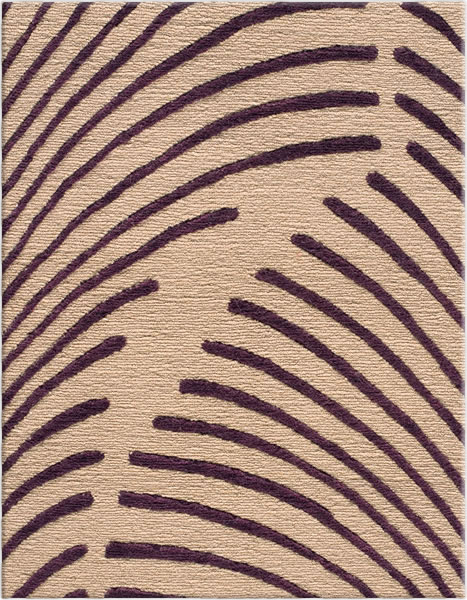
Geometric motifs are among the most recognizable aspects of Art Deco rugs, characterized by stepped squares, zigzags, chevrons and sunbursts. Each pattern component must align precisely across the weaving grid, requiring detailed specification sheets and digital templates for tufting or hand-loomed processes. Period color schemes play a pivotal role: designers often combine deep sapphire with pale gold, or black with ivory and rouge, to create stark visual contrasts reminiscent of lacquered wood panels and polished chrome accents. In a bespoke commission, clients can refine scale, contrast and line weight to suit room dimensions and furniture proportions, whether for a grand entry hall or a compact reading nook. The interplay between bold geometry and luxurious materiality forms the soul of a successful Art Deco-inspired custom rug, balancing minimalism and ornamentation in equal measure.
Beyond geometry, subtle relief techniques—such as low and high pile zoning—add tactile interest and shadow play under directional lighting. Rug makers can vary knot height in targeted areas, elevating sunbursts or framing chevron bands to catch the eye. When designing a contemporary iteration, consider integrating metallic yarns sparingly at focal points, a technique originally used to reference machine-age glamour. These fine details align with the principles of streamlined elegance and technical precision that define the era. By weaving signature motifs in lush wool, bamboo silk or custom blended yarns, clients achieve a look that resonates with period authenticity while meeting modern performance standards for durability and stain resistance.
Adapting Motifs for Modern Interiors
Translating Art Deco patterns into today’s residential spaces requires sensitivity to contemporary furniture scales and traffic patterns. While original rugs often covered entire dance floors or gallery wings, modern layouts might demand smaller, strategically placed area rugs. Designers propose cropping motifs or scaling geometric repeats to frame seating arrangements, under coffee tables or at the foot of a bed. Custom rugs can include a simplified border or omit a full-field repeat, focusing instead on a dominant sunburst vignette that complements surrounding upholstery. The palette can be updated as well: charcoal and blush tones offer a softer, modern interpretation of period color schemes while preserving the high-contrast foundations of Art Deco.
In open-plan living environments, layering a streamlined Art Deco rug atop a neutral jute base can anchor zones without overpowering the overall design. Transitional spaces, such as a hallway leading into a kitchen, benefit from runner versions of signature zigzag or stepped motifs, maintaining visual continuity. Collaborate with interior architects to align the rug’s orientation with floor-to-ceiling window arrangements or directional ceiling beams. This integration ensures that the custom piece not only revives the aesthetic spirit of the 1920s but also functions seamlessly within the flow of contemporary spatial planning. Modern dye technologies further allow for subtle ombré transitions within geometric shapes, adding depth while retaining the crisp edgework emblematic of the period.
Material and Weaving Techniques
Authentic Art Deco rugs were often hand-knotted or hand-tufted, employing high-quality wool, silk or wool-silk blends known for their natural luster and resilience. Today’s weavers combine these traditional fibers with advanced nylon or Tencel threads to enhance abrasion resistance and colorfastness, especially in high-traffic applications. Hand-knotting at densities between 100 and 200 knots per square inch achieves exceptional clarity in geometric details, while hand-tufted methods using custom-cut U-shaped looms allow for thicker, plushed fields with crisp outline control. Clients may specify pile heights ranging from 5mm for flat, rug-like textures to 20mm for sculpted relief in accent elements. The choice of foundation—cotton, jute or mixed linen warp and weft—affects both durability and the drape of the finished piece under custom dimensions.
To replicate the subtle texture variations found in vintage pieces, master dyers apply hand-carved stencil resist techniques during the dying process, creating deliberate tonal shifts across a single yarn batch. This approach mimics the slight color discrepancies of early 20th-century Atelier dyes, lending an artisanal quality to each custom rugs commission. If metallic threads are included, they are typically woven in small quantities, strategically placed to catch light rather than dominate the surface. Modern protective coatings, such as nanotechnology-based water repellents, can be applied to preserve the integrity of these delicate fibers without altering feel or color. The combination of historical weaving craftsmanship and contemporary finishing innovations results in rugs that perform to high standards while honoring Art Deco’s legacy of luxury.
Sourcing Authentic-Inspired Pieces
For clients who prefer ready-to-ship options, curated premiere selections from the Doris Leslie Blau rug collections feature limited-edition Art Deco-inspired designs. Each piece is backed by provenance research, ensuring pattern accuracy and color fidelity to original museum archives. Alternatively, bespoke commissions through our custom rug design process offer full personalization, from motif refinement to custom border treatments and fringe detailing. We recommend site visits to our atelier or detailed video consultations to review sample yarns, color swatches and pattern mock-ups at scale. This rigorous approach guarantees that each rug integrates seamlessly with architectural elements, whether installed in a historic Stadtvilla or a converted loft space.

FAQ
Q: What motifs define Art Deco rugs?
A: Art Deco rugs are characterized by geometric motifs such as stepped pyramids, sunbursts, chevrons and zigzags. Stylized botanical forms, like palm fronds or fan shapes, also appear but are rendered with angular precision. These patterns often repeat symmetrically across the field or concentrate in a central medallion, all designed to emphasize machine-age aesthetics and the era’s fascination with speed and progress.
Q: Which fibers were used historically?
A: Historically, Art Deco ateliers employed high-grade wool and silk blends for their natural sheen, durability and ability to hold vibrant dyes. Some pieces incorporated precious metal-wrapped threads sparingly for accent. Today’s interpretations may include performance fibers such as Tencel or treated nylon to increase stain resistance and resilience in high-traffic areas while maintaining the luxurious touch of classic materials.
Q: Can modern custom rugs replicate vintage textures?
A: Yes, modern custom rugs can replicate the slight irregularities and tonal variations of vintage textures through specialized dyeing and finishing methods. Techniques like hand-carved resist dying, small-batch hand-dye lots and controlled abrasion finishers create the subtle patina and depth found in early 20th-century rugs, ensuring your bespoke piece feels authentically aged without compromising modern performance standards.
Ready to bring the timeless elegance of Art Deco into your space with a personalized statement piece? Contact our specialist consultants at Doris Leslie Blau to begin your custom rugs journey and ensure every geometric motif and period color scheme aligns perfectly with your interior vision.