

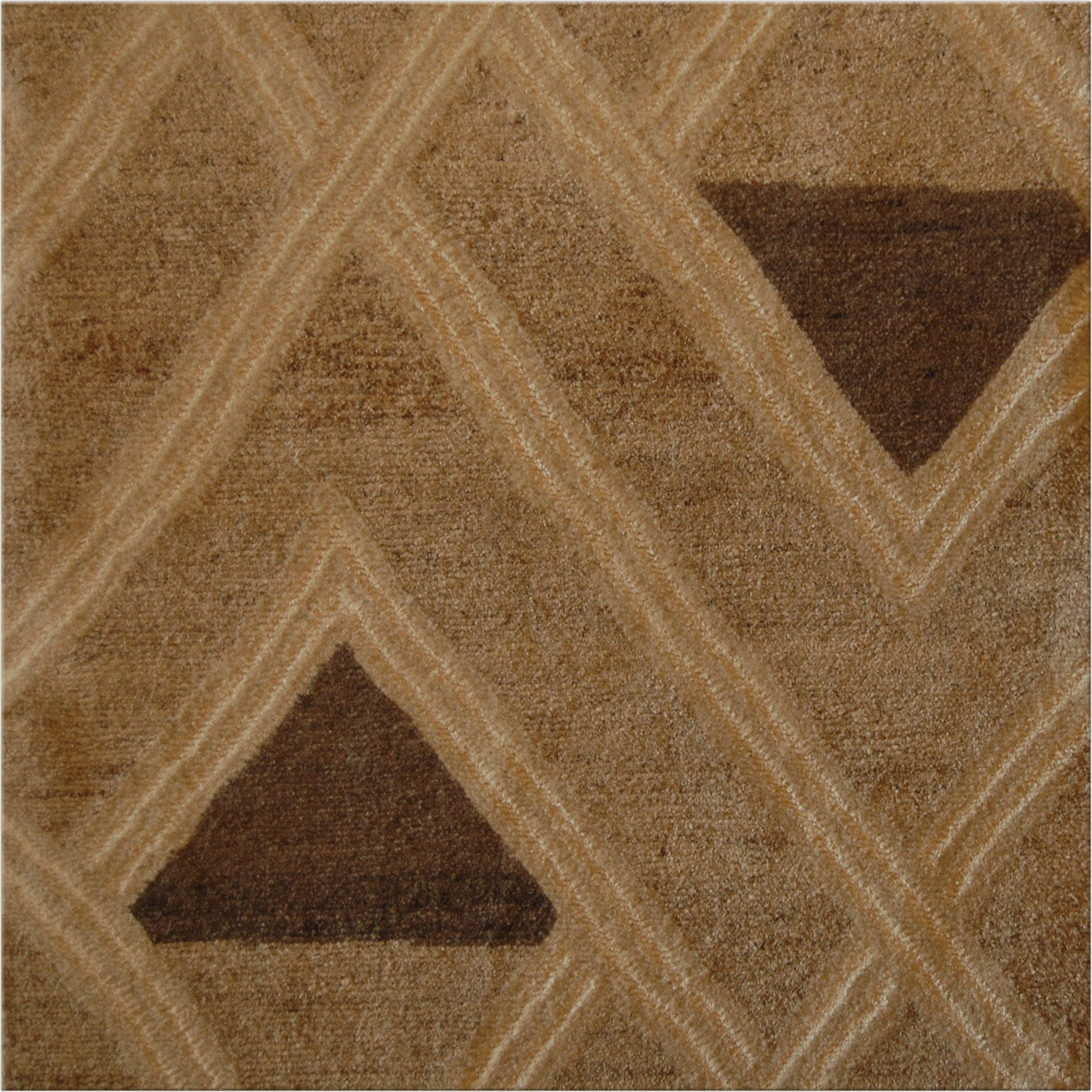
Luxury retail interiors depend on precision. A rug must do far more than soften a floor; it has to organize circulation, guide the eye, and reinforce the tone of the merchandise without competing with it. For designers specifying custom rugs in boutiques, showrooms, and flagship environments, the best solutions feel almost invisible at first glance and deeply intentional once the space is in use.
That balance is difficult because retail interiors work under several pressures at once. Product needs to remain visible, paths must stay open, displays change often, and the room still has to feel curated rather than temporary. A rug can quietly establish where customers slow down, where they turn, and where they pause long enough to notice a garment table, a jewelry case, or a vignette of furniture. In a luxury setting, the floor becomes part of the merchandising strategy, not just part of the decor.
For that reason, designing rugs for luxury retail calls for a different mindset than selecting a residential piece. The question is not simply what looks beautiful, but what supports the business of the room: how the material reads under strong lighting, how the pattern behaves beside shelving, and how the scale influences the perception of the merchandise. When those variables are handled well, the rug strengthens the brand story by shaping atmosphere and movement in a subtle, memorable way.
Identify circulation and display priorities
Before considering color or pattern, map how the space actually functions. Where do customers enter, where do they naturally pause, and which areas must remain clear for staff movement, security access, or frequent product resets? A rug placed across a main aisle should not create a visual barrier or a tripping concern, but it can widen the sense of a zone and slow the pace just enough to encourage browsing. In smaller boutiques, a rug can also define a destination moment, such as a seating area, a consultation corner, or a launch display.
Scale matters more here than in many residential rooms because retail layouts change constantly. If a rug is too small, it looks accidental and makes the fixtures around it feel disconnected. If it is too large, it can swallow the room and reduce the crispness that luxury retail depends on. Designers specifying custom rugs for interior designers often start by treating the floor plan like a merchandising diagram, then sizing the rug to support both the furniture and the customer route.
A practical example: imagine a fashion showroom with wall-mounted racks on three sides and a central presentation table. A rectangular rug that extends beyond the table by enough margin to hold the chairs, or to frame the table without touching the surrounding circulation path, can make the room feel composed instead of crowded. The same principle applies to a beauty boutique or gallery-like accessories space. The rug should mark the zone, not interrupt it.
Think in zones, not just room size
Retail spaces often contain multiple experiences within one envelope. A single rug can distinguish a lounge from the sales floor, or a consultation area from the more active display perimeter. In open-plan interiors, using rugs to organize zones helps merchandise feel intentional and gives customers a visual cue about how to move through the space. That cue is especially useful when the architecture itself is minimal and the fixtures are doing most of the spatial work.
If the brand story depends on calm, restraint, and edited presentation, the rug should support that discipline. If the layout is meant to feel more theatrical, the rug can create a stage-like platform without becoming decorative noise. The key is that the shape, proportion, and placement of the rug should align with how the store wants people to behave. A floor covering that is visually elegant but poorly placed will work against the room’s commercial rhythm.
Choose texture and pattern that support merchandise visibility
In retail, pattern should be edited with extreme care. A highly active surface can fight with apparel prints, product labeling, or reflective display materials, while an overly plain rug may disappear to the point that the room feels unfinished. The best solution often sits between the two: enough visual interest to register as luxurious, but enough restraint to keep the merchandise at the center of attention. This is where construction and fiber choice become as important as the design itself.
Low-to-moderate pattern density usually photographs better under retail lighting and keeps the eye from scattering. Soft tonal shifts, restrained geometrics, or a subtle border can define space without creating competition. In a room full of glass and metal, a rug with tactile depth can keep the environment from feeling too hard or clinical, while still allowing the product to lead. For brands built on quiet luxury, the floor should read as tailored, not ornamental.
Texture also changes how color is perceived. A carved or hand-knotted surface will catch light differently than a flatter weave, and that matters in stores with strong spotlights or daylight from large glazing. Deep pile can look rich, but in a retail setting it may visually “hold” too much and absorb the crispness needed for display architecture. A more controlled surface often performs better, especially where repeated traffic and furniture movement are expected.
For brands with a more expressive identity, a rug can introduce rhythm through scale rather than loudness. Oversized motifs, tonal stripes, or a border that echoes millwork can create order and momentum. The most effective luxury retail rugs do not shout; they set tempo. They tell the customer where to look, where to slow down, and where the collection begins and ends.
Balance durability with premium appearance
Retail flooring has to endure far more than a private residence. Foot traffic, rolling carts, chair movement, cleaning routines, and daily merchandising changes all affect performance. That does not mean the rug should look utilitarian. It means the material and construction must be selected with a clear understanding of how the room will be used. Wool remains a strong choice for many luxury environments because it offers resilience, a refined hand, and a surface that can retain visual depth over time.
Hand-knotted construction can be particularly valuable where the brand wants the floor to communicate craft, longevity, and architectural seriousness. It also gives the designer more control over proportion, edge treatment, and subtle patterning. For spaces with intense use, tighter weaves or carefully planned blends may offer a better balance of elegance and resilience than a plush surface that quickly shows wear. The important point is not to chase softness for its own sake, but to match construction to traffic.
Light exposure deserves equal attention. A rug placed near storefront glazing or under focused display lighting may shift in tone throughout the day. Pale neutrals can read warmer in afternoon sun and cooler under evening illumination, while richer colors may soften or deepen depending on the lamp temperature. Before finalizing, designers should review how the rug interacts with the room’s light temperature, as well as with reflective materials such as lacquer, polished stone, and metal shelving.
Maintenance is part of luxury, too. A retail rug should be specified with realistic cleaning expectations and with an understanding of how often fixtures will move. Edges, corners, and seams need to be considered early, especially in spaces where displays are reconfigured seasonally. A beautifully made floor covering that cannot handle the pace of a commercial interior is not a luxury solution; it is a liability dressed in good taste.
Coordinate with lighting, shelving, and signage
A rug does not operate in isolation. It has to converse with the shelving system, the display plinths, the signage, and the lighting grid. If the overhead lighting is dramatic, the rug should usually be more measured so the room remains legible. If the fixtures are minimal and the walls are quiet, the rug can introduce just enough warmth and texture to prevent the space from feeling overdesigned. Coordination here is less about matching finishes and more about managing visual hierarchy.
Signage can be especially disruptive if the rug is too busy. In luxury retail, where messaging tends to be concise and architecture-led, a restrained floor helps the brand voice remain disciplined. The same is true for shelving: if the millwork already has strong geometry, a rug with equally assertive lines may overstate the room. A more nuanced design can echo those elements without reproducing them literally.
Color temperature is one of the most overlooked issues in specification. A rug with cool gray undertones may look crisp under daylight but flat under warm lighting. A beige or taupe ground may feel refined in one store and overly soft in another, depending on the surrounding materials. Designers should test the rug against the actual fixtures and wall colors, not from memory or under showroom light alone. This is where the rug sampling process becomes essential, because what feels balanced in isolation may shift once it is placed beside brass, glass, marble, or painted wood.
If you are comparing multiple directions, the most useful samples are the ones that reveal scale, edge quality, and color behavior under the store’s real lighting conditions. That is especially true for custom rugs, where the final composition should be judged against architecture rather than against an abstract swatch board. For many projects, a small sample is not enough; the design needs to be seen in context with the specific shelving height, fixture spacing, and sightlines that define the retail floor.
Specify with merchandising, not just aesthetics, in mind
The strongest retail rugs are developed alongside the display strategy. If the store uses frequent seasonal resets, the rug should be flexible enough to accommodate changing furniture layouts without losing its grounding effect. If the merchandise is highly visual, the rug can be quieter and more textural. If the brand relies on a strong signature palette, the floor can reinforce that palette through tonal nuance rather than obvious matching.
This is where designer specification workflow becomes especially important. A rug for a luxury boutique may need to align with brand guidelines, fixture drawings, traffic requirements, and finish schedules at the same time. For that reason, custom rugs are often the most practical answer: they allow the designer to control size, shape, color balance, and construction rather than forcing the room to adapt to a standard dimension. That level of control matters when the objective is not merely to decorate but to choreograph the customer experience.
Even in a minimal store, the floor can carry identity. A subtle frame around a seating group, a tonal field beneath a display table, or an elongated runner in a corridor can all communicate order and care. The rug does not need to be the loudest element to be one of the most consequential. In fact, in luxury retail, the more successful the rug is at serving the merchandise, the more refined the space usually feels.
How custom rugs support the brand experience
Retail customers read space quickly. Before they examine a product, they register mood, pacing, and material quality. A well-specified rug contributes to that first impression by adding softness where needed, structure where needed, and a sense of intentionality throughout the room. It also helps the brand communicate whether it is disciplined and architectural, relaxed and tactile, or expressive and fashion-forward. That message should be consistent from the doorway to the fitting area.
For designers and retailers, the value of a made-to-order floor solution lies in control. Standard pieces can be useful, but luxury retail usually asks for a more exact answer to the room’s dimensions, movement patterns, and visual priorities. A rug chosen for the right reasons can support merchandising, improve acoustics, and make the store feel composed even during the busiest hours. It becomes part of the operational logic of the space, which is why it deserves the same rigor as any other specification decision.
When selected with care, the rug acts like a quiet framework. It allows the product to read clearly, the architecture to stay legible, and the brand to feel coherent from one zone to the next. That is the real function of designing rugs for luxury retail: not to decorate the floor, but to make the entire interior behave more intelligently.
FAQ
What makes a retail rug effective?
An effective retail rug supports circulation, fits the layout precisely, and enhances the room without distracting from the merchandise. It should work with traffic patterns, lighting conditions, and the store’s visual hierarchy. In luxury settings, effectiveness also depends on whether the material and pattern read as refined under everyday use.
How do rugs support the brand experience?
Rugs help define how a space feels and how customers move through it. They can make a zone feel more intimate, guide attention toward a display, and reinforce a brand’s tone through texture, color, and proportion. In that sense, the rug is part of the store’s language, not just its finishing layer.
Should retail rugs be quiet or expressive?
That depends on the merchandise and the brand story. If the product is highly detailed or the store already has strong architectural features, a quieter rug is usually more effective. If the brand relies on visual drama, the rug can carry more pattern or contrast, provided it still leaves room for the product to remain the focal point.
How important is the rug sampling process in retail specification?
It is essential because retail lighting, reflective finishes, and changing sightlines can alter how a rug looks in context. Samples help designers evaluate color temperature, texture, edge definition, and scale before committing to the final piece. For commercial interiors, that step reduces the risk of a beautiful rug reading incorrectly once installed.
For a luxury retail floor to perform well, it must be considered alongside the entire interior system, from display architecture to daily traffic patterns. If you are developing a boutique, showroom, or flagship environment, Doris Leslie Blau can provide design guidance and specialist insight on rug selection, scale, and material strategy for spaces where presentation matters as much as performance.