

This article explores how tailor-made rugs can capture the essence of mid-century modern design by combining iconic 1950s patterns, authentic materials, and precise craftsmanship. Whether you’re drawn to organic shapes, vibrant yet restrained color palettes, or the warmth of natural fibers, custom rugs allow you to channel that vintage style flooring aesthetic into a contemporary context. We’ll delve into defining characteristics, palette strategies, material selections, and styling tips that honor the past while supporting modern living. Every aspect from scale and proportion to textural nuance will be examined through the lens of a designer seeking exceptional quality and timeless appeal.
Key Characteristics of Mid-Century Design
Mid-century modern design is celebrated for its emphasis on simplicity, organic forms, and a harmonious balance between functionality and aesthetics. Clean lines and understated silhouettes define the movement, often resulting in pieces that appear sleek without sacrificing warmth or comfort. Geometric motifs and asymmetrical shapes emerged as signature design elements, lending a sense of playfulness to interiors while retaining an overall minimalist approach. This ethos naturally extends to the realm of floor coverings, where texture and form intersect to create focal points that anchor furnishings and guide spatial flow. Rug designs inspired by mid-century sensibilities frequently feature modular shapes, stripes, and abstract patterns rendered in bold yet muted palettes, capturing that look without overwhelming a space. The interplay between positive and negative space gives these rugs a sculptural quality, elevating them from mere background elements to artful accents. For those seeking precision at every stage, exploring our Custom Rug Process, Materials, and Craft can reveal the meticulous artistry behind each creation.
Translating mid-century characteristics into a rug’s dimensions requires careful attention to scale and proportion. Furniture of the 1950s often sat low to the ground, creating broad expanses of visible flooring that invited rugs to serve both a functional and decorative purpose. Made-to-measure rugs allow you to define specific zones under coffee tables or beneath lounge chairs, respecting sightlines and circulation paths. Standard sizes seldom account for bespoke layouts or extended seating areas, so specifying custom area rugs ensures that each piece relates directly to adjoining furniture legs without awkward overlaps. The result is a coherent ensemble in which rug edges align seamlessly with architectural boundaries, accent fixtures, and existing tile or wood floors. By selecting precise dimensions, you honor mid-century modern ideals of visual harmony while tailoring the design to contemporary spatial demands. Linking the proportions of your rug to the golden ratio, grid systems, or modular furniture layouts can deepen the authenticity of the vintage style flooring effect and reinforce a sense of timeless balance within the room design.
Color Palettes and Pattern Choices
Iconic mid-century color palettes often feature a thoughtful interplay between saturated hues and muted earth tones, producing a dynamic yet grounded atmosphere. Shades like mustard yellow, avocado green, rust orange, teal blue, and charcoal gray can coexist harmoniously when balanced against neutral backdrops. When specifying custom rugs, designers often start by selecting one dominant hue—perhaps a deep teal tone drawn from a classic lounge chair upholstery—then layer accent colors derived from complementary pieces. This approach yields a cohesive palette that resonates with the playful optimism of the 1950s without overpowering adjacent furnishings. Incorporating subtle gradient effects, tone-on-tone shearing, or heathered warps and wefts can add depth and movement to the rug’s surface. By choosing color-blocked segments or linear gradients, you can channel the spirit of mid-century textiles while achieving a bespoke look tailored to your client’s preferences and lighting conditions.
Pattern selection is equally crucial when recreating the retro area rugs that defined mid-century interiors. Organic motifs such as boomerang curves, starbursts, and splashes of abstract shapes evoke a sense of spontaneity and futurism characteristic of the era. Grid-based compositions and linear stripe patterns can introduce a disciplined counterpoint, emphasizing order and repetition while still retaining visual interest. For a truly signature piece, consider collaborating with skilled artisans to develop custom stenciled patterns that draw from original mid-century textile archives yet incorporate unique elements or proportions. These one-of-a-kind designs become conversation starters, anchoring seating areas or entryways with their compelling geometry. By experimenting with scale—enlarging motifs to create a bold statement or miniaturizing them for a subtler texture—you can fine-tune the retro aesthetic to complement minimalist settings or richly layered decor alike.
Material Selections for Authenticity
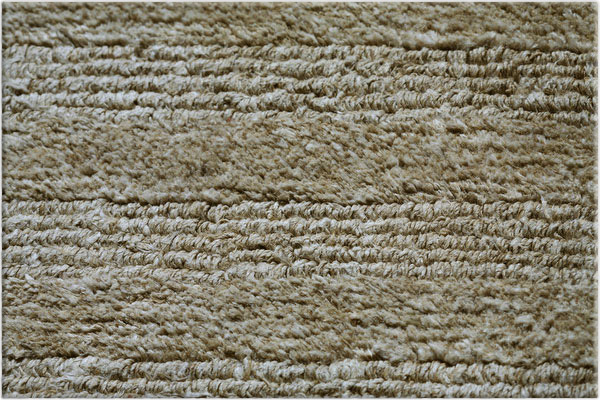
Authenticity in mid-century style rugs often begins with fiber choice, as natural materials impart both tactile warmth and long-term resilience. Wool remains the gold standard, prized for its inherent softness, durability, and rich dye uptake. When sourcing wool, consider options like 2-ply New Zealand or Australian wool with a high lanolin content for enhanced luster and stain resistance. Cotton warp threads can create a flatter structural grid, while silk highlights at select motifs introduce a subtle sheen reminiscent of handwoven textiles from the 1950s. For heavier traffic zones, jute blends or hemp-cotton wefts can offer an appealing contrast in texture, echoing the rustic simplicity found in formative mid-century crafts. Hand-knotted techniques yield dense, durable surfaces with a sculptural pile height, while hand-tufted construction offers a cost-effective route to complex patterns and color blends. Whether your project demands a low-profile pile for modern living or a plush depth for lavish lounging, specifying the right fiber combination ensures your rug stands the test of time while remaining true to period-inspired materials.
In addition to traditional fibers, modern performance treatments can enhance both functionality and longevity without sacrificing historic character. Advances in pre-treatment processes allow designers to apply soil- and stain-resistant coatings directly to wool fibers before spinning, resulting in rugs that repel moisture and resist everyday wear. Blending premium wool with trace amounts of nylon or polyester can increase tensile strength and hold pile height in high-traffic areas, making them ideal for entry halls or family rooms. Eco-conscious clients may explore naturally dyed options using botanical extracts that echo period color palettes yet adhere to sustainable practices. As you weigh material selections, consider the lighting conditions and expected foot traffic in each space; a sun-drenched sunroom may benefit from UV-stabilized fibers, while a formal living area could focus on a denser pile and tighter weave for acoustic comfort. Collaborating with wool-led weavers and fiber specialists enables you to strike an optimal balance between vintage authenticity and modern performance standards.
Styling Tips for Modern Interiors
Integrating retro area rugs into contemporary interiors requires a thoughtful layering approach that honors both past and present. Begin by establishing anchor points with foundational furniture—an Eames lounge chair, a sleek walnut credenza, or a minimalist sectional sofa—then introduce your custom area rugs to delineate seating zones and define circulation routes. Layering a smaller geometric rug atop a larger neutral base can generate textural complexity while reinforcing visual boundaries. This technique simultaneously showcases a vintage style flooring aesthetic in the foreground and a versatile neutral canvas underneath. Accessorize with accent pieces like abstract sculpture, pendant lighting, and mid-century modern coffee tables to create a cohesive narrative. By selecting lighting fixtures that cast soft, diffused illumination, you can highlight the rug’s surface and create inviting pockets of brightness that draw the eye. Intentional placement of rugs relative to windowsline and furniture legs ensures that each piece reads as part of a unified composition rather than isolated elements.
For an elevated design impact, consider juxtaposing mid-century rugs with modern upholstery fabrics and contemporary accessories. A sleek glass-top table paired with a custom-made rugs featuring bold starburst patterns introduces a striking contrast between transparent minimalism and vibrant retro motifs. Incorporating occasional pops of accent color—such as a mustard-yellow throw pillow or a burnt-orange ceramic vase—can tie back to your rug’s palette and reinforce cohesion throughout the room. In open-plan layouts, use rugs of varying shapes—round, rectangular, or kidney-shaped—to subtly differentiate dining areas, reading nooks, or conversational clusters. This freeform approach captures the spirit of mid-century experimentation while addressing today’s flexibility requirements. To explore material options, durability factors, and precise pattern adaptations, consult our experts for tailored recommendations and specifications that align with your stylistic vision and practical needs. For more on sizing, edge treatments, and design workflows, see our guide on How to Specify Custom Area Rugs.
FAQ
Q: What patterns define mid-century modern rugs?
A: Mid-century modern rugs are characterized by organic shapes like boomerangs and amoeba motifs, geometric stars, simple stripes, and abstract line-based compositions. Designers often juxtaposed bold, playful forms with restrained color schemes, balancing energy with sophistication. Custom designs can draw from original textile archives or incorporate contemporary twists, ensuring each rug maintains the era’s signature sense of optimism and forward-thinking style.
Q: Which materials were popular in the 1950s?
A: In the 1950s, wool was the predominant fiber due to its durability, dye affinity, and intrinsic warmth. Cotton warps provided structural stability, while occasional silk highlights added a lustrous sheen. Natural jute and sisal also appeared in more casual settings, offering a rustic counterpoint to polished wood furniture. Today, you can replicate these textures or enhance them with modern fibers for improved performance.
Q: How do I mix vintage and contemporary pieces?
A: Successful integration hinges on a coherent color palette, proportional balance, and layered textures. Anchor your space with key mid-century pieces—such as an Eames chair or walnut sideboard—then introduce contemporary elements like metal-framed tables or minimalist shelving. Using a custom rug that bridges palette and form helps unify diverse elements, creating a harmonious environment that honors heritage without feeling dated.
Ready to elevate your interior with authentic mid-century flair and precision-tailored artistry? Consult with our design specialists to explore bespoke color palettes, material options, and custom dimensions that seamlessly integrate period-inspired motifs into your modern lifestyle. Reach out today for a specialist consultation and bring the timeless elegance of made-to-measure rugs into your home.