

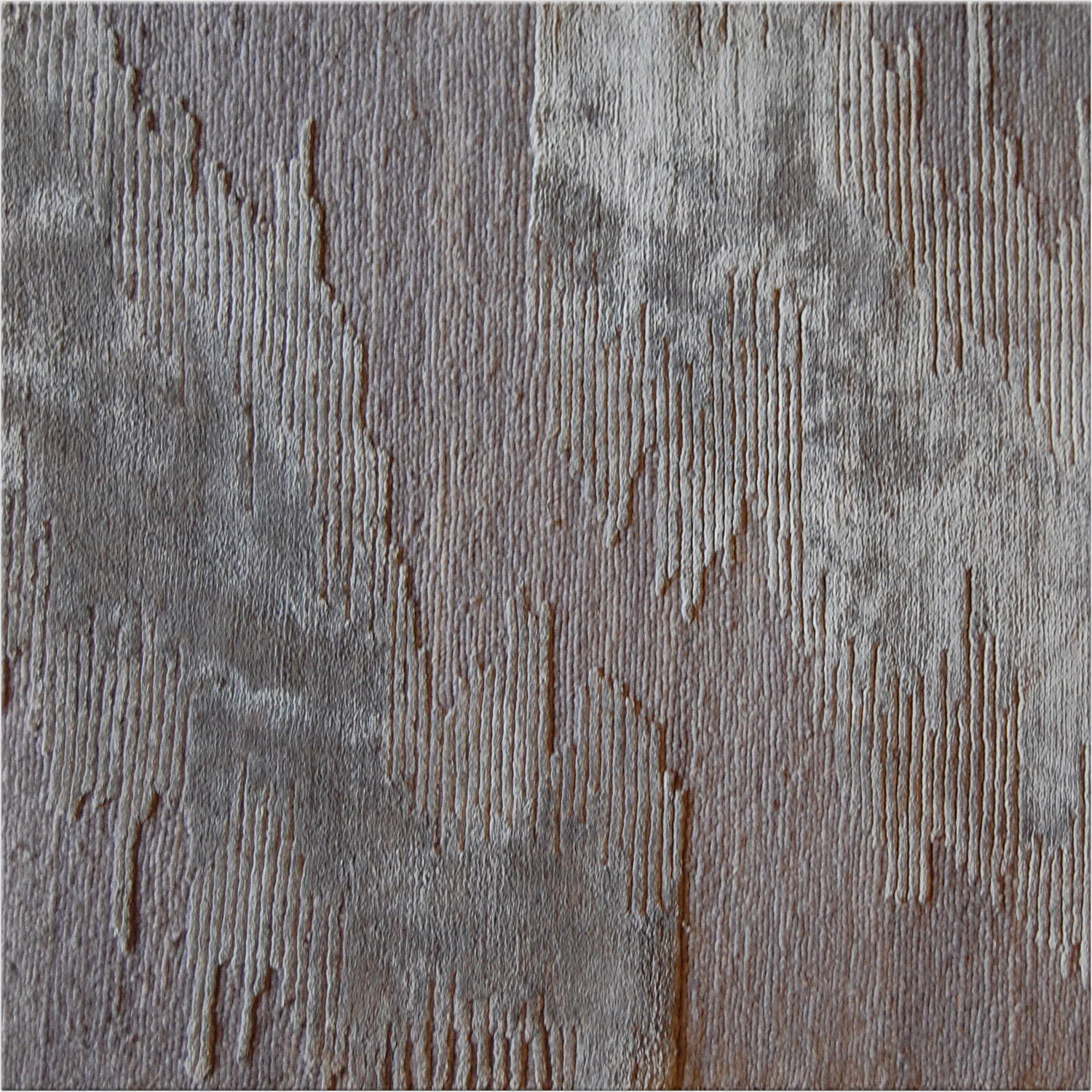
Hollywood Regency style thrives on contrast: polished surfaces against matte ones, symmetry against surprise, ornament against restraint. The right rug has to participate in that tension without letting the room drift into visual noise. Thoughtfully chosen custom rugs can do exactly that, especially when the goal is a glamorous interior that still feels composed, architectural, and livable.
Hollywood Regency has always been about control, not chaos. Its best rooms rely on crisp geometry, confident finishes, and a clear sense of hierarchy, which is why the rug cannot be treated as an afterthought. It should act as a grounding plane that supports the furniture layout, reinforces the symmetry of the architecture, and keeps reflective materials from feeling hard or theatrical in the wrong way. In other words, the rug is not the flourish at the end; it is part of the structure.
That distinction matters because the style is easy to overstate. A room with lacquer, brass, mirrors, and tufted upholstery can become visually brittle if the floor covering is too small, too busy, or too soft in its pattern logic. A well-planned rug introduces discipline through proportion, border treatment, and material choice. For designers working with Doris Leslie Blau, that is often where custom rug design becomes the practical answer rather than a decorative indulgence.
Identify the hallmarks of Regency style that still feel fresh
The lasting appeal of Hollywood Regency comes from its disciplined vocabulary. Think strong silhouettes, mirrored symmetry, polished metals, and color that is edited rather than random. The most successful rooms use pattern with intent: a stripe to direct the eye, a border to frame the seating group, or a floral motif to soften the formality of a mirrored wall. A rug that ignores these principles will feel decorative in the shallow sense; one that understands them will feel designed.
Fresh Regency interiors also avoid excess symmetry at every layer. If the furnishings are already highly arranged, the rug can carry a quieter pattern; if the room is architecturally plain, the rug may need to contribute more visual structure. This is where floral rugs can be particularly effective, provided the motif is scaled correctly and the color palette is disciplined. A botanical field in restrained tones can add movement without competing with the architecture, especially when paired with tailored upholstery and lucid lighting.
Bordered rugs are equally relevant to the style because they echo the frame logic that defines Regency interiors. A border can sharpen the edge of a seating arrangement, contain a central medallion, or bring order to a room with multiple focal points. In a long living room, for example, a bordered composition can prevent the furniture from drifting visually while also giving the eye a clear stopping point. The result feels intentional rather than ornate for its own sake.
Balance shiny accents with grounded texture
Hollywood Regency rooms often contain surfaces that reflect light: lacquered cabinetry, glass tables, polished stone, or metal trim. Those materials add glamour, but they also increase visual temperature. A rug should answer that brightness with texture that feels tactile and substantial, whether through dense wool, fine hand-knotted construction, or a deliberate mix of wool and silk. The goal is not to make the floor dull; it is to create a surface that absorbs some light so the room does not become overexposed.
Material choice should be made in relation to how the room is used, not only how it looks in photographs. A formal sitting room with limited traffic can support a more refined pile and a higher degree of sheen. A family room styled with Regency references may need a more resilient construction with a lower pile and a pattern that disguises daily wear. In both cases, texture does the work of moderation, preventing the polished elements from overwhelming the composition.
Color also contributes to this balance. Deep neutrals, softened jewel tones, and muted metallics tend to work better than high-chroma combinations when the furnishings already carry strong visual weight. Even a dramatic palette benefits from some grounded note—charcoal, tobacco, parchment, or a dusty green that calms brass and mirror. If the room includes vivid upholstery or art, the rug should usually be the place where those colors are translated into a more settled register.
Use scale and border treatment to create structure
Regency interiors are unforgiving when the scale is wrong. A rug that is too small makes the room look fragmented; one that is too expansive can erase the sense of arrangement that the style depends on. The best custom rugs are sized to support furniture with precision, allowing front legs to sit comfortably on the field and leaving enough border or negative space to register the shape of the room. That proportional discipline is what keeps a glamorous room from feeling improvised.
Border treatment deserves particular attention because it can change the way a room reads. A narrow border sharpens the perimeter and works well in compact rooms where you want a crisp outline. A wider border can create a more architectural effect, especially in rooms with tall ceilings, formal drapery, or substantial casegoods. If the upholstery is already richly detailed, a restrained border may be enough; if the room needs more definition, a more pronounced frame can quietly control the composition.
The same principle applies to motif placement. Center medallions, scrolling vines, lattice work, and other ornamental devices should be positioned with the furniture plan in mind. In a symmetrical living room, a centered medallion can reinforce order. In a more open plan, a bordered field may offer better zoning because it gives the eye a clear edge without insisting on a single focal point. For unusually shaped rooms, custom rugs also allow you to solve awkward transitions with proportion instead of compromise.
Consider a formal lounge with two facing sofas, mirrored side tables, and a brass chandelier. If the rug is too elaborately patterned, the room may feel crowded despite the symmetry. If it is too plain, the furnishings can look disconnected from the floor and the lighting loses its anchor. A bordered composition in a controlled palette can do the job neatly: enough ornament to belong to the style, enough discipline to keep the seating group legible.
Pair the rug with strong lighting and tailored furnishings
Lighting determines how Regency pattern behaves. Under warm evening light, silk highlights can become sumptuous; under bright daylight, the same sheen can become more assertive than intended. That is why the rug should be chosen alongside the room’s lighting strategy, not separately from it. If a space has crystal fixtures and wall sconces, the floor covering should be capable of carrying some reflection without looking metallic in a literal sense.
Tailored furnishings help the rug read as part of an edited ensemble. Straight-backed chairs, clean-lined sofas, and well-proportioned tables let the rug do its framing work without competing for attention. When upholstery has piping, tufting, or nailhead detail, the rug should usually offer a more settled counterpoint. Conversely, if the furniture profile is simple, the rug can carry the decorative rhythm through floral rugs, linear borders, or a more intricate field pattern.
Another useful consideration is sightline. In many Regency-inspired rooms, the rug is visible from an adjacent hall or entry, which means its edge treatment matters as much as its central field. A border can create a polished threshold, while a softer allover pattern may better suit a room meant to feel expansive and conversational. This is one reason designers often prefer made-to-order rugs: they can align pattern scale, color temperature, and edge definition with the room’s actual viewing angles rather than an idealized furniture plan.
For homeowners comparing off-the-shelf pieces with made-to-measure solutions, the distinction is practical as well as aesthetic. A standard size may force furniture into awkward spacing or leave too much floor exposed around the perimeter. A tailored piece gives the room the same kind of precision that Regency furniture already implies. In a style built on balance, that precision is not a luxury extra; it is the point.
Choosing the right construction for glamour that lasts
Hollywood Regency may be known for sparkle, but the rug itself should not be fragile in spirit or structure. Hand-knotted rugs are often the right starting point because they allow for nuanced pattern, controlled detailing, and a durable foundation suited to refined interiors. Wool remains a dependable choice for most residential settings, especially where softness underfoot and wear resistance both matter. When the design calls for added lustre, silk accents can be introduced sparingly to highlight borders, outlines, or select ornamental moments.
Pile height should be considered as carefully as color. A higher pile can feel indulgent, but it may soften the crispness that Regency rooms depend on, particularly beneath formal seating. A lower pile or a tightly woven surface often supports the architecture better, keeping chair legs stable and pattern clarity intact. In a room with sculptural furniture and glossy finishes, a defined weave can provide the exact amount of texture needed without blurring the room’s lines.
Durability is not limited to busy households. Even a polished entertaining room benefits from a construction that can hold shape over time, preserve its border, and maintain clean edges under repeated use. That is where material quality and craftsmanship become inseparable from aesthetics. A well-made rug supports the room visually on day one and structurally for years, which is especially important when the rest of the interior relies on crispness rather than casual layering.
How to make Regency feel restrained instead of theatrical
Not every Hollywood Regency room needs to announce itself loudly. Some of the most compelling versions are quiet in palette and exact in proportion, using a rug to introduce only a measured amount of pattern. In those rooms, the difference between restraint and blandness lies in the details: a carefully calibrated border, a soft tonal contrast, or a subtle floral rhythm that rewards a closer look. The rug should imply glamour rather than shout it.
This approach is especially effective in contemporary homes that borrow from Regency without fully committing to the style’s historical references. A room with clean-lined millwork, a few polished accents, and a structured seating plan can handle a rug with classical undertones so long as the scale remains controlled. The rug becomes the bridge between old and new, adding depth without freezing the room in one era. For designers, that flexibility is often the reason to specify a custom piece instead of forcing a compromise with a ready-made size or pattern.
Quiet Regency also benefits from a disciplined color story. Cream, taupe, ink, bottle green, and soft gold can read as refined rather than flashy when the contrast is low and the surface texture is rich. If the room includes more exuberant elements—an animal-print chair, a lacquered console, a sculptural lamp—the rug should absorb that energy rather than compete with it. Pattern control is not about removing personality; it is about deciding where the room should speak most clearly.
Practical ways to specify the rug with the room in mind
- Measure the seating arrangement first, not the room perimeter, so the rug supports conversation and circulation.
- Decide whether the room needs framing or softness; bordered rugs are better for definition, while allover patterns can ease sharp architectural lines.
- Consider daylight exposure before choosing sheen, especially if silk details may catch strong sun.
- Match pattern density to the room’s other surfaces: more reflective furniture usually calls for a steadier rug field.
- Choose construction for use, not just appearance, so the rug holds up to traffic and still looks tailored.
Why the style works so well with custom specification
Hollywood Regency rewards exactness, which is why it pairs so naturally with custom rugs. The style asks for proportion that matches the furniture plan, pattern that respects the architecture, and materials that balance gloss with tactility. Standard dimensions rarely answer all of those requirements at once. A tailored approach gives you the ability to adjust border width, motif scale, pile, and palette so the rug feels inevitable in the room rather than merely expensive.
That level of control is especially useful when the room has an unusual footprint, multiple entry points, or a mixture of antique and contemporary pieces. It also matters in rooms where the rug must coordinate with artwork, drapery, and lighting rather than simply sit beneath a sofa. When done well, the floor covering becomes the organizer of the interior, quietly guiding how every other element reads. In that sense, the rug is less decoration than design discipline made visible.
FAQ
What makes a Regency rug feel contemporary?
A Regency rug feels contemporary when its ornament is edited, its proportions are precise, and its palette works with the room’s architecture rather than imitating a period look too literally. A restrained border, softened color contrast, or simplified floral movement can preserve the style’s glamour while making it feel current.
Can this style work in a restrained room?
Yes. In a restrained interior, the rug can provide the only strong decorative gesture, which often makes the room feel more intentional. Choose a controlled pattern, keep the palette narrow, and use the border or field structure to create definition without excess.
How much ornament is enough?
Enough ornament is the amount that supports the room’s other decisions. If the furniture, lighting, and finishes are already dramatic, the rug should be more measured. If the rest of the room is understated, the rug can carry more visual rhythm, but it still should not compete with circulation or furniture placement.
Are floral rugs appropriate for Hollywood Regency interiors?
Absolutely, provided the floral motif is scaled to the room and handled with discipline. Floral rugs can soften mirrors, lacquer, and metallic finishes, especially when the pattern is stylized or rendered in a limited palette rather than in a dense, busy arrangement.
For rooms that ask for glamour with control, the best rug is rarely the loudest one. It is the one that resolves scale, pattern, and material into a composition that makes the rest of the interior look more deliberate. If you are refining a Regency-inspired room or planning one from the ground up, Doris Leslie Blau can help with specialist guidance, gallery-level expertise, and a rug strategy shaped around the architecture rather than against it.