
Discover how to elevate luxury interiors with eco-friendly tailor-made carpets that marry artistry, durability, and environmental stewardship. In this in-depth guide, you will learn about the merits of responsibly sourced fibers, from certified organic wool to innovative plant-based alternatives, and how precise dyeing processes reduce water usage and chemical runoff. We’ll explore design strategies that integrate bespoke custom rugs into green homes, demonstrating how you can achieve both aesthetic richness and ecological integrity. You will also find an overview of key certifications, ethical sourcing practices, and real-world examples that illustrate the impact of traceable supply chains. Whether you are a design professional or a discerning homeowner, this article provides actionable insights into specifying and styling sustainable custom rugs for luxury interiors without sacrificing performance or comfort.
Sustainable Fiber Options
Selecting the right fiber is the foundational step in creating a truly eco-luxury custom rug. Organic wool remains the industry benchmark for renewable fiber excellence: grown on pasture-based farms, processed under Global Organic Textile Standard (GOTS) guidelines, and hand-spun into high-density yarns that boast both thermal insulation and natural stain resistance. In parallel, plant-based alternatives such as hemp, bamboo silk, and nettle fibers are gaining traction for their rapid renewability, low pesticide requirements, and silk-like luster when blended with wool. For designers seeking ultra-luxury performance, blends of organic wool with TENCEL™ or eucalyptus-derived lyocell deliver a sumptuous hand feel while maintaining moisture wicking and dimensional stability. Each fiber option carries discrete environmental metrics—land use, water consumption, and carbon footprint—that can be quantified and compared to conventional sheep’s wool. When specifying these fibers, confirm regional processing capabilities to minimize transport emissions and leverage local artisan expertise for spinning and weaving. By prioritizing certified organic wool and vetted plant-based fibers, you invest in a rug that delivers aesthetic refinement, functional resilience, and verifiable sustainability credentials. For maintenance advice on preserving these premium fibers, explore our guide to luxury carpet care to ensure lasting beauty and performance.
Eco-Friendly Dyeing Processes
Dye selection is pivotal to achieving both vibrant coloration and minimized environmental impact. Traditional synthetic mordants often require heavy metal salts, but modern eco-conscious mills are embracing plant-based dyes extracted from indigo leaves, madder root, chestnut husks, and pomegranate skins. These botanical pigments impart a muted palette of earth tones and jewel hues while eliminating synthetic dye effluent. To further conserve water, closed-loop dyeing systems recirculate up to 95 percent of processing water, dramatically reducing wastewater output. Low-temperature exhaust dyeing with natural fibers yields consistent colorfastness without aggressive chemical fixation, and cold pad batch (CPB) techniques have been adapted to wool blends, cutting energy demand by up to 40 percent compared with traditional hot dip vats. Additionally, digital printing technology using eco-inks allows precise application of multicolor designs with virtually zero waste. By partnering with mills that adhere to Oeko-Tex Standard 100 and ZDHC (Zero Discharge of Hazardous Chemicals) guidelines, you can guarantee that your custom rug’s color palette is as sustainable as its materials. Emphasizing artisanal hand-finishing—such as gentle steaming and pH-balanced washing—ensures uniformity in hue while preserving the wool fiber’s natural lanolin layer for long-term durability.
Designing with Sustainability in Mind
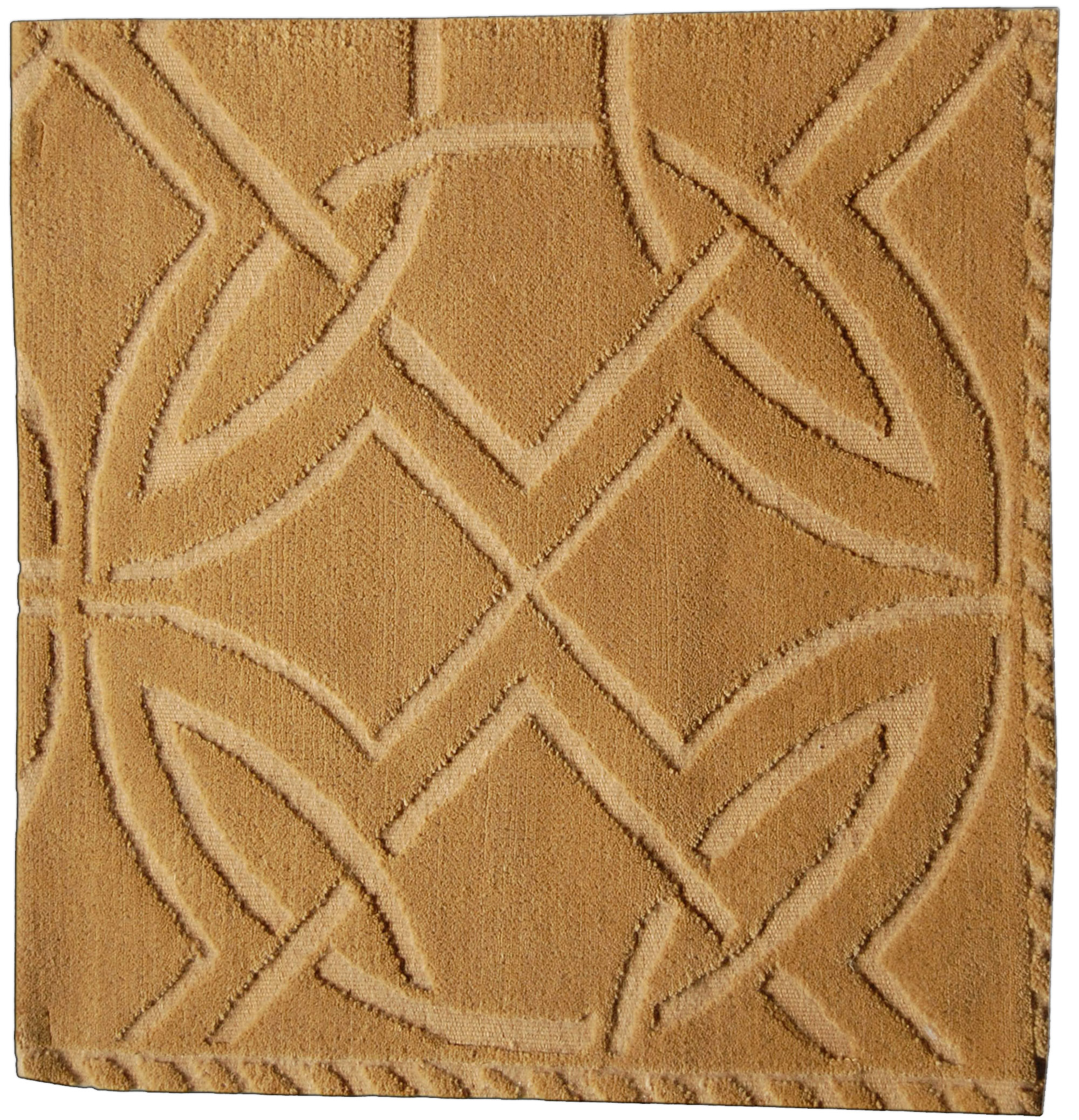
Crafting a coherent design vision that harmonizes sustainability and luxury demands careful consideration of scale, shape, and pile architecture. When designing custom rugs, begin by measuring each space precisely to optimize material usage and eliminate excess waste. Tailor-made dimensions, such as hall runners, inset stair treads, and modular living-area carpets, allow for pattern continuity and reduce offcuts. For high-traffic zones, specify a tighter tuft density—at least 50 knots per square inch—and a looped or low-cut pile to enhance longevity. In formal areas, sculpted cut-and-loop motifs can be executed in a single fiber type to streamline recycling at end-of-life. Hard-edge geometric patterns derived from digitally plotted CAD files ensure efficient loom utilization, minimizing warp waste. Color strategy also plays a critical role: by leveraging neutrals and muted tones achieved with plant-based dyes, you create a timeless backdrop that extends the perceived life of the rug, reducing the need for frequent style-driven replacements. Thoughtful edge binding with matching organic wool braids or fringe alternatives made from recycled silk can further integrate your custom rug seamlessly into the overall interior scheme. For best practices on material selection, visit our resource on how to choose rugs to balance form, function, and environmental responsibility.
Certifications and Ethical Sourcing
Transparent supply chains are non-negotiable when specifying eco-luxury custom rugs. Look for certifications such as GOTS for organic textiles, Responsible Wool Standard (RWS) for animal welfare and land management, and Cradle to Cradle for full lifecycle assessment. Independent third-party audits from organizations like the Control Union or Soil Association verify farm-to-finish traceability, ensuring compliance with social and environmental benchmarks. Ethical sourcing also extends to loom-level practices: Fair Trade Certified workshops guarantee safe working conditions, equitable wages, and community reinvestment. When it comes to specialty plant-based dyes, supplier partnerships under the ZDHC Manufacturing Restricted Substances List (MRSL) confirm that no toxic intermediates or heavy metals are introduced during extraction or application. For rugs containing recycled content, look for Recycled Claim Standard (RCS) or Global Recycled Standard (GRS) seals, which quantify reclaimed fiber percentages and validate chain of custody. By choosing vendors who publish annual sustainability reports, you gain visibility into carbon emission reduction initiatives, water reuse statistics, and circular-economy goals. This depth of verification ensures that each custom rug you commission aligns with your brand’s green luxury narrative and delivers measurable environmental benefits.
Additional Considerations for Ethical Production
Beyond certifications, direct trade relationships with rural weaving cooperatives foster community prosperity and safeguard artisanal skills at risk of disappearing. Engaging with small-batch hand-tufting studios or heritage power-loom operations allows designers to influence material procurement, wage structures, and quality control in real time. This collaborative approach often results in shorter lead times, greater flexibility in color matching, and bespoke finishing touches—such as hand-carved borders or embroidered monograms—that elevate the bespoke nature of each carpet. Furthermore, localized production reduces logistical emissions and supports regional economies. Select spinning mills that utilize on-site solar arrays or biogas boilers to offset energy consumption, and inquire about carbon-offset credits offered by transport providers to achieve near-zero delivery footprints. Many leading eco-luxury brands now implement take-back programs, offering end-of-life recycling or upcycling services for old custom rugs. These circular pathways close material loops, minimize landfill contributions, and allow your clients to refresh their spaces sustainably over multiple design cycles.
FAQ
What defines an eco-luxury carpet?
An eco-luxury carpet combines premium performance, exceptional aesthetic detailing, and rigorous environmental stewardship. It is made from responsibly sourced fibers—such as certified organic wool or rapidly renewable plant-based materials—and colored using low-impact or natural dyes. Production practices eliminate harmful chemicals, reduce water and energy use through closed-loop systems, and ensure fair labor standards. Luxury is expressed through high-density knotting or tufting techniques, refined pile textures, and bespoke dimensions, while eco-credentials are validated by recognized certifications and transparent supply chains.
Are organic wool carpets more durable?
Yes, organic wool carpets often outperform conventional wool in durability. The dense staple length of fibers grown under pasture-based, GOTS-regulated farms results in yarns that resist crushing and matting. Organic sheep husbandry practices—free-range grazing and chemical-free feed—enhance fleece quality by preserving the natural lanolin layer. When these fibers are processed using gentle, eco-friendly methods, the resulting custom rugs maintain resilience in high-traffic areas and offer superior loft retention compared to chemically treated counterparts.
How do I verify sustainable sourcing?
Begin by requesting mill documentation and third-party audit reports for each stage of production, from raw fiber procurement to finishing. Look for well-known standards such as GOTS, OEKO-TEX Standard 100, RWS, and Cradle to Cradle. Confirm that your vendor participates in recognized traceability platforms or supply-chain transparency initiatives. Site visits and factory inspections, whether in person or virtual, provide first-hand assurance of ethical labor conditions and environmental compliance. Finally, review corporate sustainability reports to understand long-term commitments, progress benchmarks, and circular-economy strategies.
To ensure your next luxury interior project incorporates the highest standards of sustainable design and artisan craftsmanship, consider scheduling a specialist consultation with our team. We’ll guide you through selecting fibers, dyes, and designs that reflect your commitment to elegance, performance, and ecological responsibility.