

Creating a serene bedroom retreat begins with thoughtful underfoot choices, and nothing achieves the perfect balance of comfort, acoustics, and refined aesthetics like custom rugs designed specifically for your space. In this guide, we explore how tailored carpets can transform restless rooms into quiet sanctuaries. From material specifications to installation best practices, each step enhances functionality and elevates design integrity. By integrating precise measurements, acoustic underlay solutions, and curated color palettes, you can curate a tactile environment that supports rest and aligns with your unique style aspirations.
Why Tailored Carpets Matter in Bedrooms
Bedrooms require an intentional layering of materials to foster a sense of calm, and bespoke carpet design addresses every detail down to the millimeter. Standard off-the-roll rugs often overlook baseboard returns or wall-to-wall edge transitions, resulting in visual and acoustic irregularities. Custom carpets eliminate unsightly gaps and mismatched dimensions by conforming exactly to room contours, alcoves, or built-in benches. This precision reduces sound transmission and ensures a seamless visual flow that reinforces the restful ambiance. Incorporating acoustically rated underlay beneath a tailored carpet can improve decibel reduction by up to 20%, absorbing footfall noise and echo across hollow subfloors. For a truly integrated solution, designers specify perimeter skirts or binding that matches adjacent finishes, ensuring uninterrupted lines and a refined appearance in any high-end bedroom layout.
Beyond acoustics, a tailored carpet adapts to architectural features such as recessed lighting, floor vents, or threshold transitions without awkward seams. This level of customization allows integration of discrete cutouts for in-floor wiring channels or motorized window treatments, preserving the sleek design vision. By selecting a skilled artisan weaver or precision tufting partner, you can choose custom yarn blends and density counts that meet specific wear ratings and maintenance parameters. For example, a 90% New Zealand wool and 10% Tencel blend provides natural stain resistance, superior wrinkle recovery, and hypoallergenic properties—ideal for bedrooms where air quality and softness underfoot are paramount. Ultimately, tailored carpets uphold both form and function in a bedroom curated for restorative living.
Material Choices for Ultimate Comfort
Selecting the optimal fiber and construction method directly affects how a carpet performs over time, especially under bare feet first thing in the morning. For the pinnacle of soft underfoot luxury, consider high-twist wool yarns with a pile density exceeding 100,000 stitches per square meter. These specifications yield a plush surface that will resist matting in high-traffic zones around bedside tables and walkways. To augment cushioning, layer a memory-foam or latex-acoustic underlay beneath the carpet. This additional pad not only enhances thermal insulation—contributing to a stable room temperature—but also increases impact sound attenuation, promoting superior soundproofing in adjacent rooms.
Alternative fibers such as responsibly sourced silk or bamboo silk offer a subtle sheen and ultra-smooth texture, though they require more deliberate pad selection to avoid creasing. For eco-conscious projects, recycled fishing net nylon or PET yarns can be woven into loop-pile constructions, combining sustainability with performance. Tufted carpets deliver greater flexibility in pattern and cut-pile depth, while woven constructions yield a flatter profile and tighter weave that resists pilling. Consulting technical data sheets for each option ensures that moisture wicking, dyefastness, and abrasion ratings align with bedroom design tips geared toward longevity. Whether you prioritize renewable materials, acoustic control, or easy maintenance, our custom rugs laboratory can guide you through lab-tested specifications at every production stage.
Color Palettes to Promote Rest
Color psychology plays a pivotal role in regulating circadian rhythms and inducing relaxation. In bedrooms designed for deep rest, choose muted tones with low chroma values. Gentle slate grays, pale greiges, warm whites, and soft blues each reflect light in a calming spectrum. For a more dramatic yet still tranquil effect, deep charcoal borders or tonal gradients can frame the bed area and visually ground the space. When dyeing custom carpets, specify fume-cured or acid-free dyeing processes to avoid off-gassing volatile organic compounds, ensuring indoor air quality remains pristine for restful slumber.
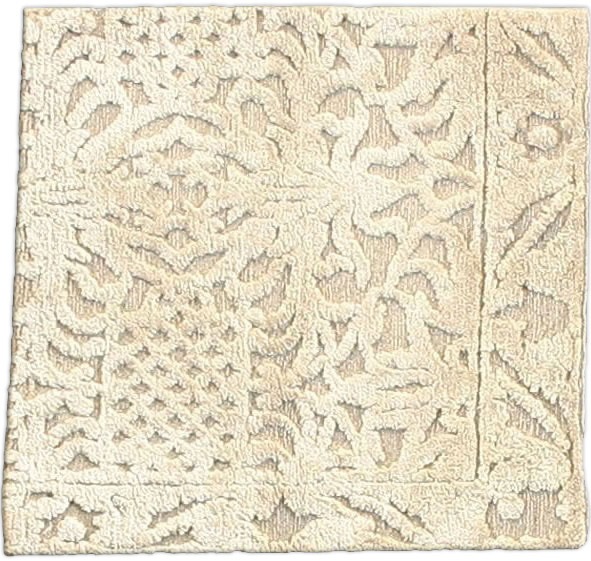
Layering multiple neutral hues within a single carpet can create subtle patterning that appeals to the eye without overstimulation. For example, a bouclé loop incorporation in contrasting shades adds dimensional depth and highlights tactile variation underfoot. If you prefer a hint of verdure, soft sage or muted olive reference nature’s palette without overpowering the room’s serenity. Designers often anchor these choices with metallic trim or piping that echoes brass bedside lamps or bronze hardware. These seemingly minor details reinforce cohesive styling while preserving the central focus on comfort and tranquillity.
Installation and Maintenance Tips
Precision installation is the final step in achieving both aesthetic perfection and functional stability. Begin with exacting field measurements, accounting for irregular edges, threshold transitions, and HVAC vents. Professional installers will scribe and cut the carpet on site, ensuring seams fall in inconspicuous locations or follow architectural lines, such as along built-in wardrobes. Before fitting the carpet, confirm the subfloor is level within industry tolerance (typically 1/8 of an inch over ten feet) to prevent future buckling. Choose a high-density acoustic underlay with an R-value of at least 1.2 to improve thermal performance, while a slip-resistant membrane provides additional safety. Adhesive selection should prioritize nonvolatile, solvent-free adhesives to eliminate odors and support a hypoallergenic environment.
Routine maintenance begins with regular vacuuming using a suction-only head to protect pile integrity. For spills, employ a pH-neutral cleaning solution and blot immediately—never rub—to prevent fiber distortion or dye migration. Schedule a professional deep cleaning every 12 to 18 months, using low-moisture encapsulation or dry-clean methods to avoid carpet shrinkage and seam separation. For high-traffic outskirts of the bedroom—such as entrances or dresser zones—consider carpet protectors or rug runners that can be rotated seasonally to distribute wear evenly. Integrating these care protocols preserves the carpet’s acoustic properties and ensures the investment in premium materials and craftsmanship endures for years to come.
For bespoke projects that integrate complementary elements like custom drapes, upholstered headboards, or bespoke upholstery, collaborate with a full-service atelier that can coordinate color, texture, and scale across all surfaces. While rugs secure the foundation, pairing them with matching luxury textiles in window treatments or accent pillows reinforces the overall design narrative. This holistic approach guarantees each component—from pile height to stitching detail—contributes to a unified sanctuary optimized for both wellness and refinement.
FAQ
Q: Are tailored carpets good for bedroom noise reduction?
A tailored carpet system, when combined with a high-density acoustic underlay, can reduce noise transmission by up to 20–25 decibels, significantly dampening footsteps and echo. The dense fiber structure in combination with foam or felt underpad absorbs impact sound waves, preventing them from traveling through floor assemblies. This makes custom carpets an effective component of a comprehensive soundproofing strategy, especially in multi-level residences or urban settings where external noise intrusion can disrupt rest.
Q: What pile height is ideal for a bedroom carpet?
The optimal pile height for a bedroom strikes a balance between plush comfort and maintenance ease. Medium piles in the range of 10–14 millimeters provide sufficient softness underfoot while avoiding excessive fiber collapse or matting. Higher piles (15–20 millimeters) deliver a luxuriant cushion effect but require denser backing and more frequent grooming to maintain loft. Designers typically specify pile heights based on foot traffic patterns and the desired aesthetic depth.
Q: How to clean and maintain bedroom carpets?
Regular vacuuming with a suction-only attachment prevents fiber crushing and removes dust that can lead to abrasion. Promptly address spills by blotting with a neutral-pH solution and avoid soaking the carpet. Schedule professional maintenance using low-moisture or dry-clean techniques every 12 to 18 months to preserve backing adhesives and seam integrity. Rotate protective mats or runners in high-traffic zones to distribute wear evenly, extending the life of your investment.
For personalized guidance on selecting yarn blends, acoustic underlays, and installation techniques tailored to your bedroom project, our design specialists are ready to consult on every detail. Schedule your specialist consultation today to craft a custom rug solution that elevates comfort, style, and performance.