

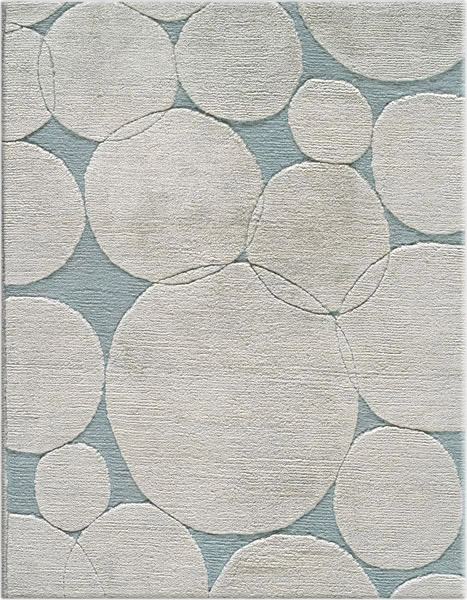
Creating a serene outdoor environment requires durable, stylish foundation layers that can withstand the elements without sacrificing elegance. Weather-resistant custom rugs serve as focal points for patios, terraces, pool decks and verandas, balancing technical performance with tailored design. From ultraviolet-stable dyes to marine-grade fibers, every component can be specified to ensure lasting vibrancy under sun, rain and foot traffic. Working with a design atelier skilled in precision mapping, homeowners benefit from rugs scaled exactly to their unique architectural footprints. This article explores the materials, measurements and maintenance strategies that transform any outdoor living space into a refined oasis.
In high-end residential architecture, the transition between interior and exterior spaces demands a level of finish that far exceeds mass-produced solutions. A bespoke outdoor carpet custom-tailored to dimensions and color palettes not only ties together surrounding furnishings but also defines circulation zones and conversation areas. Using expert CNC-cut patterns and precision edge-binding, professional workshop artisans can create rugs that integrate seamlessly with stone pavers or composite decking. The right fiber blend adds tactile comfort underfoot while resisting moisture absorption, mold growth and mildew staining. This degree of customization ensures a cohesive designer statement across every square inch of your alfresco lounge.
Designer-grade outdoor rugs begin at the fiber level, where variables like denier, twist level and pile height directly impact durability and appearance. A high-twist polypropylene yarn with a 1500 denier count can deliver a compact, low-profile surface suited to rigorous foot traffic, while solution-dyed acrylic strands yield plush textures reminiscent of indoor carpets. Artisans can specify pile heights from 6 mm to 15 mm based on comfort requirements and cleaning ease. For ultra-outdoor resilience, closed-loop construction alternates synthetic warp and weft fibers to enhance dimensional stability. When crafted with meticulous attention to these technical metrics, custom rugs elevate an alfresco setting to the same prestige as an interior living space.
Pattern and color selection play critical roles in harmonizing a custom outdoor rug with both built and botanical elements. Designers often draw inspiration from surrounding landscapes—translating patio slate veining or native foliage into woven motifs that echo natural geometry. A warm terracotta palette can reference Mediterranean tiles, while cool gray and navy anchor a minimalist poolside vista. Mixed weaves enable tweed-like heathered effects or crisp geometric borders, tailored precisely to match adjoining bespoke furniture lines and custom draperies colorways. By specifying sun-resistant dyes in coordination with structural materials and botanical accents, one achieves a unified visual narrative across all outdoor living zones.
Selecting the optimal outdoor rug materials requires a clear understanding of local climate dynamics. Coastal environments demand UV-stable fibers like high-density olefin or solution-dyed polyester to resist salt spray and sun bleaching. In regions with frequent freeze-thaw cycles, low-water-absorbent synthetics prevent fiber distortion and line-tripping hazards due to ice buildup. For humid subtropical zones prone to mold, choosing quick-draining weaves with anti-microbial finishes inhibits fungal growth at the surface. Even arid desert settings benefit from light-reflective yarns integrated with UV inhibitors to reduce heat absorption. Tailoring material performance to weather patterns extends both the functional lifespan and aesthetic appeal of your custom outdoor rugs.
Selecting Weatherproof Fibers and Dyes
When specifying fibers for outdoor custom rugs, understanding intrinsic properties like moisture wicking, tensile strength and UV resilience is paramount. Solution-dyed acrylic fibers, for example, undergo pigment infusion at the polymer stage, creating sun-resistant dyes that maintain colorfastness even after prolonged UV exposure. Marine-grade polypropylene offers exceptional tensile strength and low moisture regain, while polyester blends can incorporate carbon-based UV stabilizers for additional fade protection. Each fiber type also varies in its resistance to chlorine exposure, essential for applications near pools or spa enclosures. By analyzing manufacturer technical datasheets for tensile and colorfastness ratings, designers ensure that a bespoke rug will sustain both form and function under harsh conditions.
Sun-resistant dyes form the backbone of any durable outdoor carpet, with solution-dyed technology as the industry benchmark for fade prevention. In this process, pigments are integrated into the fiber’s core before extrusion, yielding a homogeneous color profile impervious to superficial abrasion or weathering. Performance metrics such as a Blue Wool Scale rating above 7 or ISO 105-B02 lightfastness ratings guarantee minimal hue shift over a decade of sun exposure. Innovative nano-coating treatments can further enhance resistance to staining from oils, algae growth and bird droppings. When paired with high UV stabilization, these advanced dye systems allow for deep blues, vibrant terra cottas and muted neutrals that remain true season after season.
Backing configuration and slip-resistant features are equally vital when considering rug placement on frequently trafficked patios and pool decks. A perforated backing constructed from nonwoven polypropylene or recycled PVC allows for rapid drainage of rainwater, eliminating puddling and reducing trip hazards. For additional grip, thermoplastic rubber or composite mesh grips can be bonded to the backing to secure rugs on slick surfaces without adhesives. Custom workshops can also engineer modular hook-and-loop attachments to integrate with anchoring hardware in wooden deck frameworks. By carefully calibrating backing permeability, weight and traction characteristics, a rug remains steadfast in windy conditions, delivering safety and certainty with every step.
Custom Sizes for Decks and Patios
Precision in measurement is the cornerstone of impactful outdoor rug design, transforming undefined spaces into intentional living areas. Designers start by documenting architectural features, overhangs and drainage slopes to generate CAD diagrams that guide rug dimensions. Whether outlining a sunken lounge pit or framing a tapas-style dining platform, custom sizing ensures the carpet enhances spatial flow rather than obscuring structural details. Subtle offsets—such as a few additional inches beneath seating—can create visual islands, while full-width coverage may unify multiple functional zones. When clients receive a fully scaled mockup before production, they gain confidence that the rug will fit organically into their outdoor comprehensive blueprint.
Beyond standard rectangles, outdoor bespoke carpets can be fabricated in elliptical, circular or polygonal shapes to accommodate pool contours, curved benches or tiered terraces. CNC-cut edging allows for seamless integration against stone coping or raised planter borders, minimizing trim imperfections. Modular rug panels also permit flexible reconfiguration for seasonal events, enabling quick transitions from an open-air yoga studio one month to an alfresco entertainment arena the next. For even more complex installations, workshops can bond transparently structured infill pieces that merge with tile inlays, forging a mosaic effect beneath glass-top tables. This degree of customization elevates outdoor environments into true extensions of the interior design ethos.
Edge finishing options play a decisive role in both aesthetics and resilience, particularly in high-traffic outdoor settings where wear concentrates along perimeters. High-performance rugs often feature a double-stitched serged border using UV-resistant thread, providing a clean, modern outline that resists unraveling. Alternatively, bound edges in color-coordinated polypropylene ribbon or woven cotton rope add a sculptural accent, echoing nautical or bohemian themes. For clients seeking an organic feel, raw-cut edges sealed with clear polymer coatings preserve a hand-fringed appearance while preventing fiber fray. Each bespoke binding treatment should align with outdoor rug materials and traffic patterns to ensure seamless integration and durable topology.
Cleaning and Storage for Outdoor Rugs
Routine maintenance of outdoor custom rugs begins with simple yet effective daily practices. Lightly shaking out or brushing carpets with a soft-bristle broom removes loose debris, pollen and sand before they abrade fiber surfaces. A handheld or backpack vacuum with adjustable suction settings can clear embedded dirt without disturbing pile uniformity. For persistent dust, low-pressure air blowers deliver a gentle but thorough cleaning. Scheduling these light maintenance rituals several times per week prevents surface matting and prolongs the vibrancy of sun-resistant dyes. When rugs are placed under covered areas, periodic rotation also mitigates uneven UV exposure and traffic wear.
For a thorough seasonal refresh, custom outdoor rugs can be deep-cleaned with specialized solutions and gentle power washing techniques. Start by removing loose particles with a high-volume hose spray, then apply a pH-neutral cleaner designed for synthetic fibers. Using a soft nylon brush, work the solution into the pile in systematic strokes, taking care to avoid excessive agitation that could distort high-twist yarns. Rinse thoroughly, ensuring no soap residue remains, as lingering detergents can attract dirt or encourage mildew growth. After washing, air-drying in full sun leverages natural UV sterilization, while proper drying orientation prevents water from accumulating in backing channels.
Advanced anti-microbial treatments provide an additional defense against mold, mildew and bacterial colonization—common concerns in damp or shaded outdoor applications. Manufacturers can incorporate zinc-based biocides or silver-ion infusion into the fiber matrix, creating a hostile environment for fungi without altering handfeel or color. For environments subject to heavy rain or humidity, selecting rugs with open-weave patterns accelerates airflow and water evaporation. When possible, positioning carpets on slatted deck surfaces or mounting on elevated platforms enhances under-rug ventilation. By integrating these proactive measures into both material selection and installation, property owners safeguard investment value while preserving a healthy alfresco atmosphere.
Proper storage of outdoor custom rugs during extended off-season periods ensures that the investment remains in pristine condition for years to come. Before rolling, rugs should be cleaned and fully dried to eliminate any moisture that could trigger mildew in enclosed storage areas. Use a loosely rolled configuration with the pile facing inward, securing with cotton straps or breathable twill ties to prevent creasing. Avoid plastic wrappings that trap humidity; instead, store rugs in cotton or linen covers stored flat or upright in a climate-controlled environment. Regular inspections every few months help detect early signs of insect activity or moisture infiltration, allowing for timely interventions that preserve rug integrity.
Transforming an outdoor space into a refined retreat demands both aesthetic vision and technical expertise. By partnering with experienced artisans specializing in weather-resistant custom rugs, homeowners can achieve tailored solutions that harmonize durability, design and precise fit. From selecting high-performance fibers and sun-resistant dyes to mapping complex patio perimeters and planning comprehensive maintenance regimens, every step shapes your ideal alfresco environment. To explore bespoke options aligned with your unique architectural and lifestyle needs, consider scheduling a specialist consultation and discover how custom outdoor carpets can elevate your next outdoor design project.
FAQ
What makes an outdoor rug weatherproof?
An outdoor rug is weatherproof when it incorporates UV-stable, solution-dyed fibers that resist fading, a backing design that facilitates water drainage, and anti-microbial treatments to prevent mold and mildew growth. Weatherproof carpet constructions utilize materials like marine-grade polypropylene or solution-dyed acrylic, combined with nonwoven, perforated backings and slip-resistant coatings to withstand sun exposure, precipitation and heavy foot traffic without deteriorating.
How to clean outdoor rugs?
Clean outdoor rugs regularly by removing loose debris with a broom or low-suction vacuum, followed by occasional deep cleaning using a pH-neutral synthetic-fiber cleaner and gentle power washing. For spot stains, apply a specialized outdoor rug stain remover, blot with a microfiber cloth, rinse thoroughly and air-dry in direct sunlight to leverage UV sterilization. Avoid harsh detergents that can degrade sun-resistant dyes.
Can outdoor rugs stay outside year-round?
Yes, high-quality custom outdoor rugs can remain outside year-round if they are crafted from weather-resistant fibers, feature UV-protective dyes and are installed with proper drainage and backing systems. In regions with extreme winter conditions, it’s advisable to store rugs during prolonged freeze-thaw cycles to prevent potential fiber damage. Regular cleaning and anti-microbial treatments further extend their lifespan when left in place.