





Scandinavian Rugs and Swedish Carpets
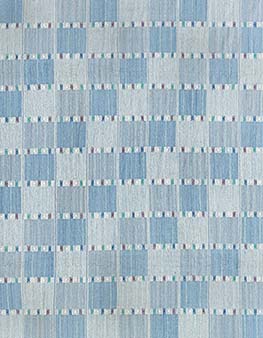
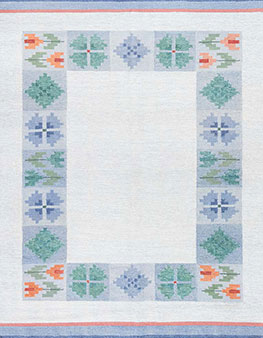
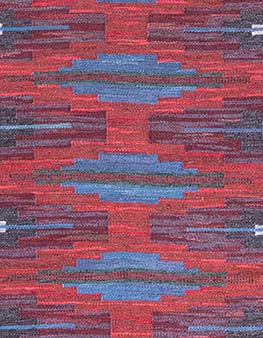
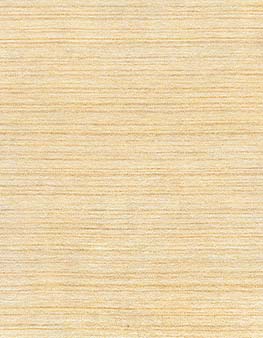
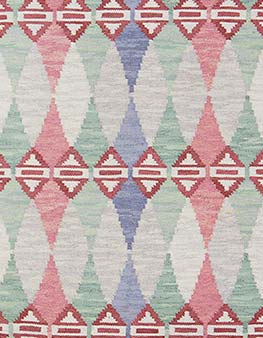
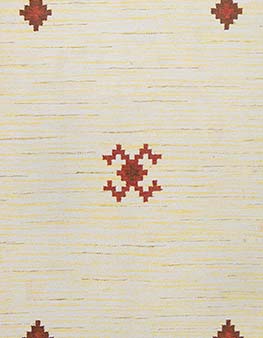
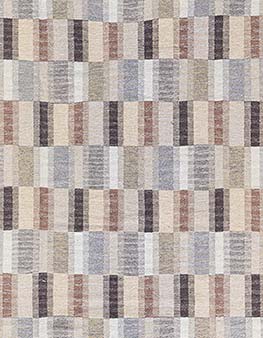
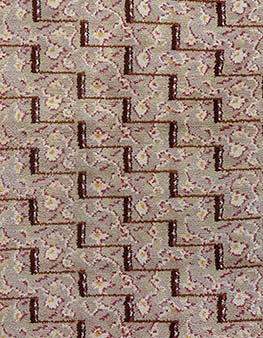
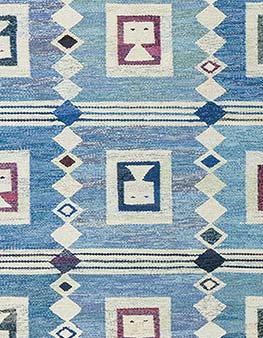
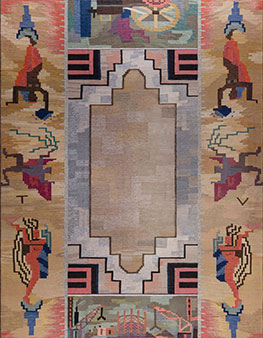
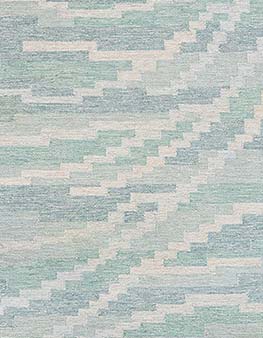
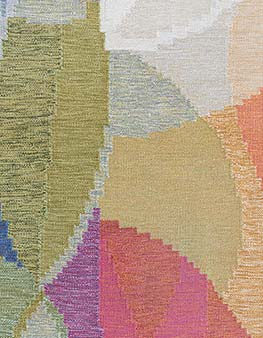
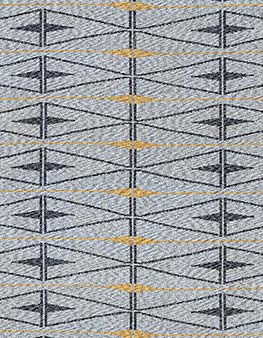
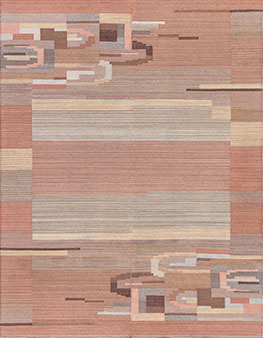
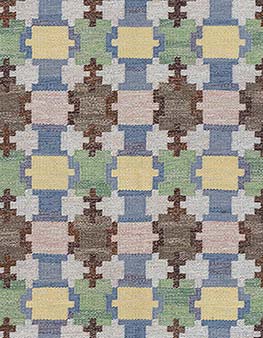
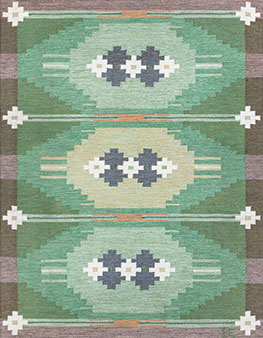
Scandinavian rugs occupy a distinctive place in luxury interiors: they are restrained but not plain, graphic but rarely harsh, and rooted in craft traditions that suit both modern architecture and richly layered rooms. This collection focuses on Swedish and broader Nordic carpets, including vintage flatweave Rollakans, textured Ryas, mid-century geometric wool rugs, abstract Scandinavian carpets, and select hand-knotted pile pieces. Many examples appeal to collectors and interior designers because they combine disciplined composition with warm, usable palettes: ivory, gray, camel, brick red, blue, lavender, mint, taupe, and softened earth tones.
What Makes Scandinavian and Swedish Rugs Distinctive
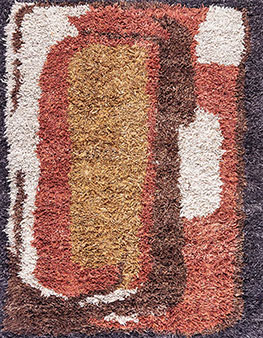
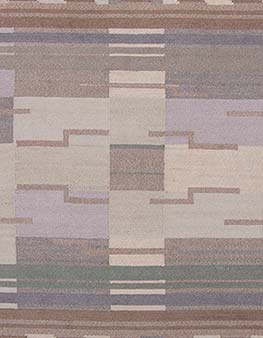
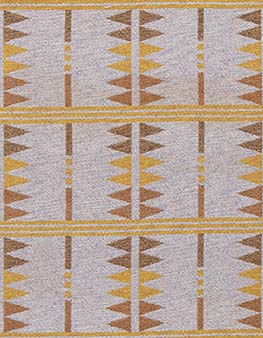
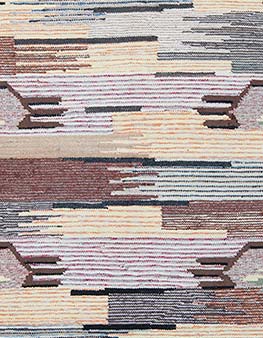
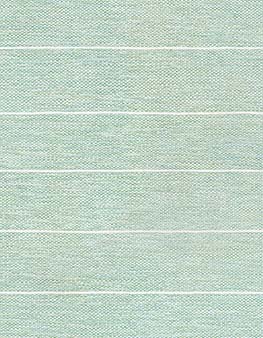
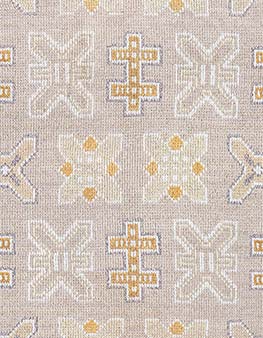
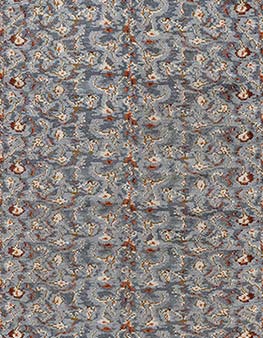
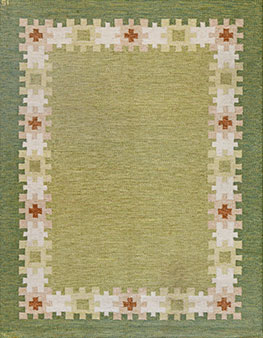
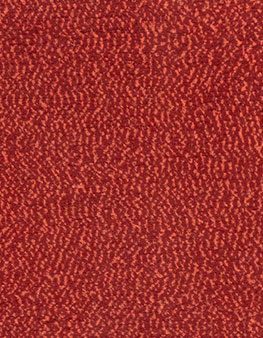
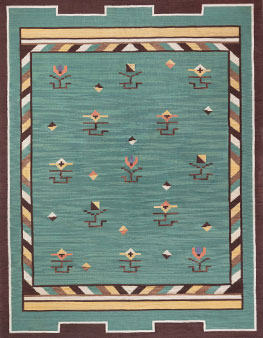
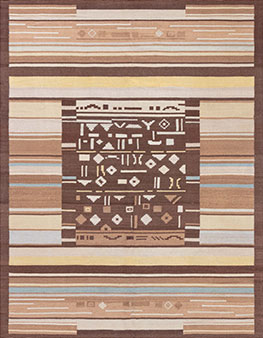
The best Scandinavian rugs are valued for their balance of structure, material honesty, and decorative intelligence. Rollakans are typically flat-woven, often reversible or low in profile, making them practical for dining rooms, libraries, bedrooms, galleries, and open-plan seating areas. Ryas have a deeper pile and a more tactile presence, historically connected to Nordic domestic use before becoming important decorative floor coverings. Swedish mid-century rugs often use geometry, stripes, stylized florals, folk motifs, and abstract blocks of color in a way that feels architectural rather than ornamental.
Within the category, buyers may encounter works associated with influential Scandinavian weaving traditions and designers such as Marta Maas-Fjetterstrom, Barbro Nilsson, Judith Johansson, Ingegerd Silow, Marianne Richter, and other notable workshop or studio makers. A signed or attributed vintage Swedish rug can carry particular design value, but the most successful choice is not based on name alone. Scale, condition, color clarity, wool quality, weave, and how the rug sits within the room are equally important.
How to Choose a Scandinavian Rug for an Interior
Scandinavian and Swedish carpets are especially useful when a room needs pattern without visual heaviness. A pale geometric flatweave can sharpen a contemporary living room; a brick red or blue mid-century rug can add warmth to pale wood, stone, and plaster; an oversized Swedish carpet can organize a large seating plan without overpowering art or furniture. These rugs also pair naturally with Danish modern pieces, French antiques, Italian lighting, American modernism, and minimalist architecture, which makes them a strong category for decorators working across periods.
- Check whether the rug is flat-woven, hand-knotted, or pile construction.
- Compare exact dimensions with furniture placement, not only room size.
- Review palette in relation to flooring, upholstery, wall color, and daylight.
- Look for designer attribution, workshop history, or signature when available.
- Consider wear, edges, restoration, and overall condition for intended use.
- Use custom made options when a specific scale or color direction is required.
Curated Swedish Rugs, Vintage Pieces, and Custom Options
Doris Leslie Blau has sourced rugs from estates, auctions, dealers, and private collections since 1965, giving this Scandinavian rug selection a level of range that is difficult to duplicate through ordinary retail channels. The assortment includes decorative vintage rugs for immediate placement, rare Swedish flatweaves for collectors, oversized rugs for large interiors, and quieter neutral carpets for serene contemporary rooms. Each piece should be considered on its own merits: age, origin, weave density, wool texture, condition, pattern, and provenance indicators all affect suitability and long-term appeal.
For projects that require exact dimensions or a coordinated scheme, made-to-order Scandinavian rugs can be an intelligent complement to vintage inventory. A custom rug may translate the clean geometry, softened color, and wool texture associated with Nordic design into a size that fits a specific dining table, bedroom suite, hallway, or expansive living room. Explore the current collection of vintage Scandinavian rugs, or view modern Scandinavian rugs when a newly made interpretation is better suited to the project.