




Russian Rugs
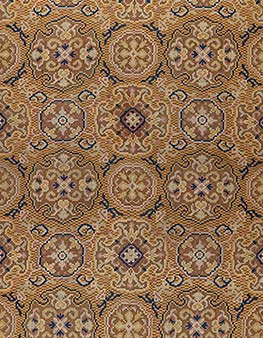
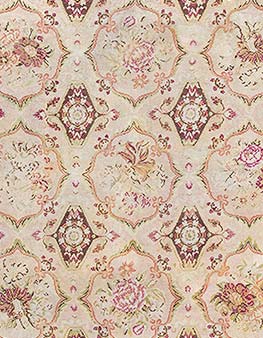
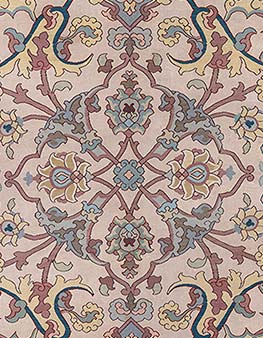
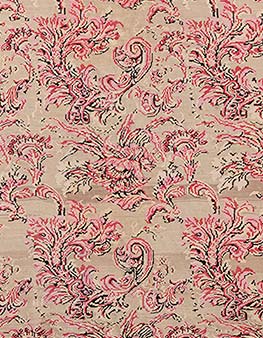
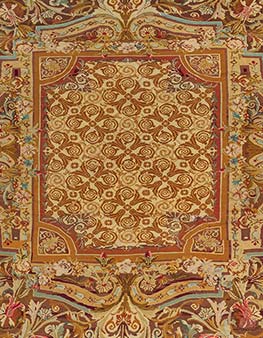
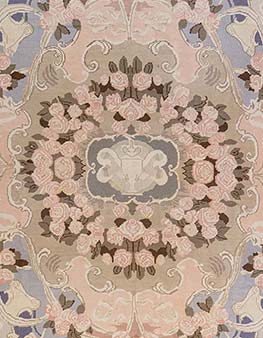
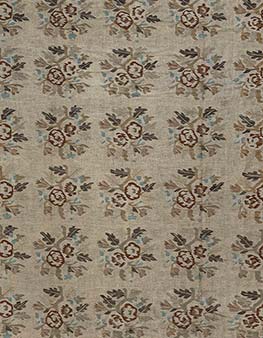
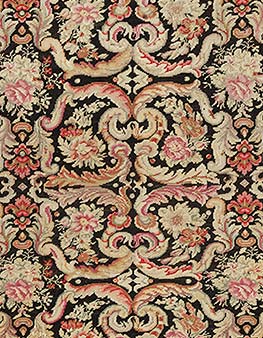
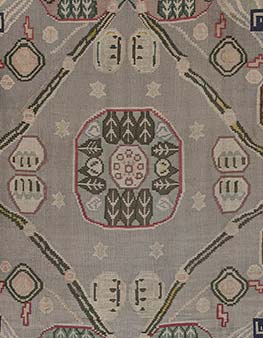
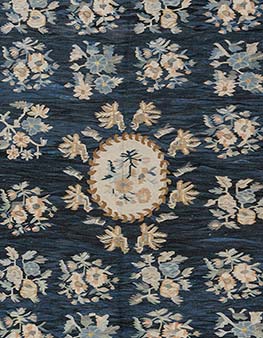
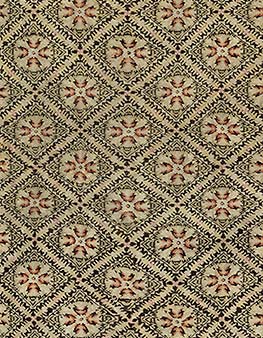
Russian rugs occupy a distinctive place within the world of antique carpets: refined enough for formal interiors, yet often more relaxed and decorative than courtly Persian rugs or French Aubusson carpets. This category focuses on antique and early twentieth-century Russian, Bessarabian, Ukrainian, and Caucasus-related pieces, including flatweave wool carpets, hand-knotted rugs, runners, and large room-size formats. Their appeal lies in a controlled balance of pattern, scale, and patina—floral fields, softened geometry, warm neutrals, crimson details, taupe grounds, and ivory borders that work naturally in both traditional and contemporary luxury interiors.
Design Character and Regional Context
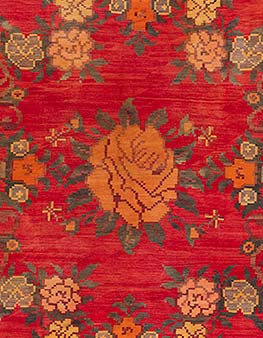
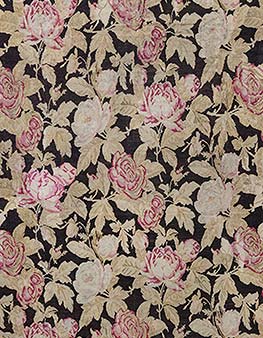
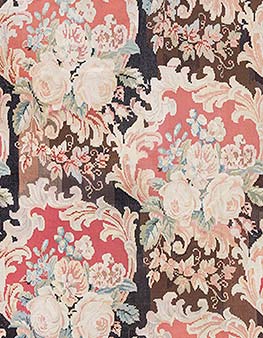
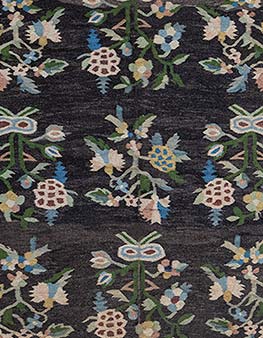
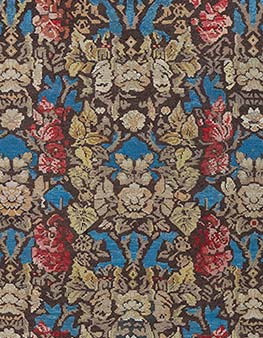
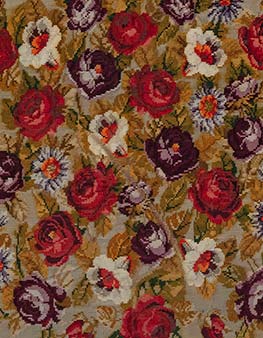
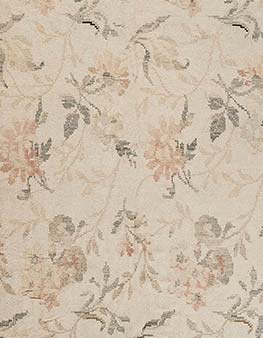
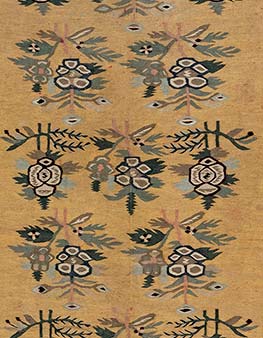
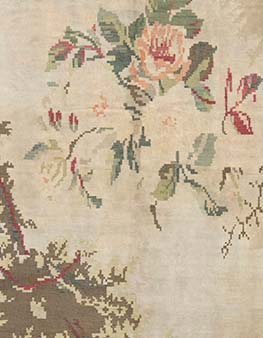
Many of the most desirable Russian rugs associated with this category are Bessarabian carpets, a weaving tradition connected historically with regions around present-day Moldova and Ukraine, once shaped by Russian and Eastern European decorative taste. These rugs are admired for botanical allover designs, stylized bouquets, garlands, medallion-free compositions, and tapestry-like flatweave structure. Unlike densely formal palace carpets, antique Bessarabian rugs often have a spacious, painterly quality that gives a room pattern without excessive visual weight.
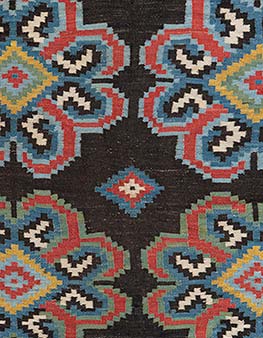
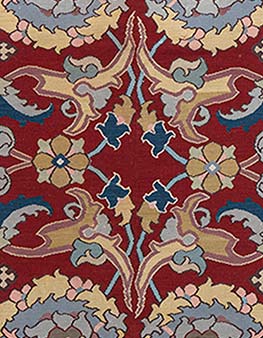
The selection may also include Russian Karabagh and Caucasian-influenced rugs, where stronger color, elongated proportions, or village weaving character can become a design asset. Antique rugs are typically defined in the market as 100+ years old, while early twentieth-century and vintage examples may offer similar decorative value with a different age profile. For designers, the important question is not only date, but how origin, weave, color, condition, and scale support the intended room.
- Review the stated age, circa date, and regional attribution.
- Compare flatweave versus hand-knotted construction for texture and use.
- Measure carefully for dining rooms, salons, libraries, and galleries.
- Look at palette under natural and evening light conditions.
- Assess border scale, allover pattern, and furniture placement needs.
Materials, Weave, Condition, and Scale
Most antique Russian and Bessarabian rugs in this category are wool, chosen for resilience, matte color absorption, and a softer architectural presence than high-gloss silk. Flatweave examples can feel lighter and more tapestry-like, making them especially useful beneath seating groups or in interiors where low pile is preferred. Hand-knotted pieces provide more depth and cushioning. Condition should be evaluated in relation to age: even wear, old restorations, adjusted size, and softened color can be positive when they are stable, well disclosed, and visually integrated.
Scale is one of the strongest reasons to consider this category. Many Russian and Bessarabian antique carpets were woven in generous proportions, including large and oversized rugs suitable for living rooms, dining rooms, bedrooms, and long architectural spaces. Runners can bring the same decorative language into halls and transitional areas. Buyers comparing antique area rugs should consider not just length and width, but how the field, border, and central motifs will sit beneath furniture.
Buying Russian Rugs for High-End Interiors
Doris Leslie Blau has sourced rare rugs from estates, auctions, dealers, and private collections since 1965, giving designers and collectors access to pieces selected for both provenance and decorative relevance. Each rug can be considered through practical buying criteria: origin, age, weave, material, palette, condition, room use, and visible listed pricing. When an antique piece is not available in the required dimensions or color direction, made-to-order and custom rug options can be explored separately to achieve a related design effect without presenting them as antique originals.
For clients drawn specifically to Eastern European textile character, the related Bessarabian Antique Rugs collection offers a focused view of floral flatweaves and decorative carpets with Russian and Ukrainian associations. Whether the goal is a quiet ivory wool carpet for a modern room, a crimson-accented floral rug for a formal salon, or a long runner with antique presence, Russian rugs offer a sophisticated alternative to more common Persian, Oriental, or European carpets.