


Needlework Rugs and Antique Needlepoint Carpets
Needlework rugs occupy a distinctive place within antique European carpets: they are not pile rugs, yet they can bring the visual richness of Aubusson, Savonnerie, English floral, and continental decorative traditions into a room with remarkable precision. The Doris Leslie Blau collection focuses on antique and vintage needlepoint rugs, needlework carpets, runners, and oversized wool pieces selected for design clarity, scale, condition, and decorative relevance. For interior designers and collectors, these rugs offer a refined alternative to heavier hand-knotted rugs, especially in rooms where pattern, color, and a lower profile are central to the scheme.
What Defines a Fine Needlework Rug?
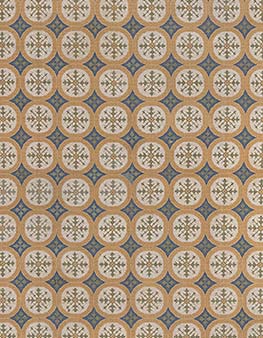
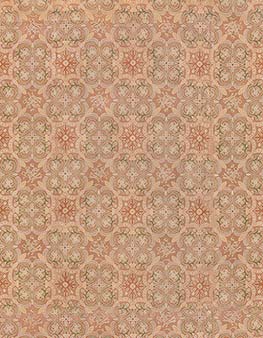
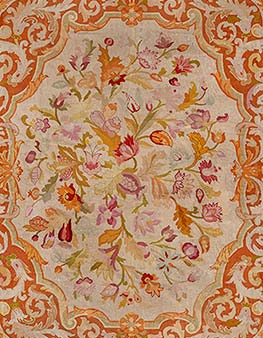
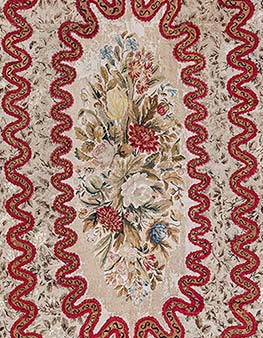
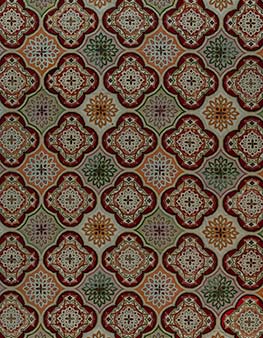
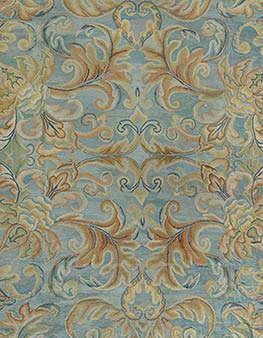
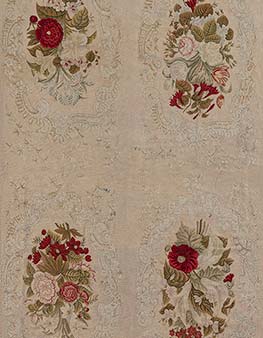
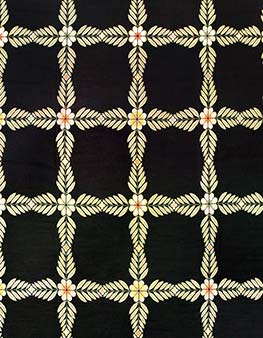
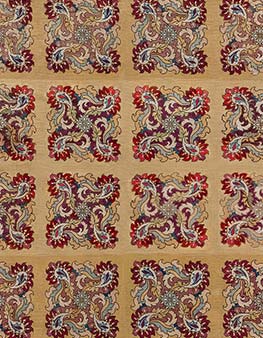
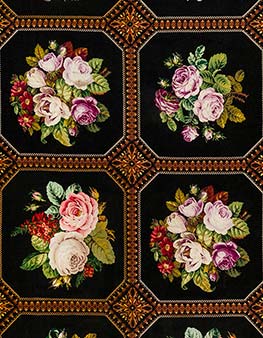
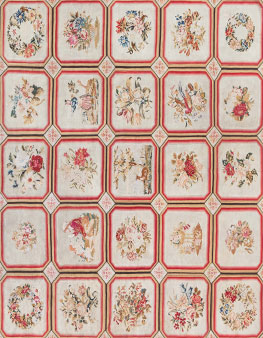
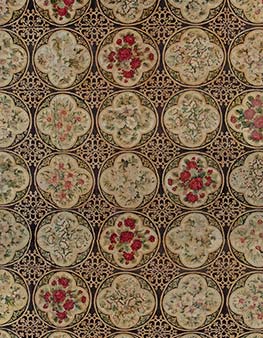
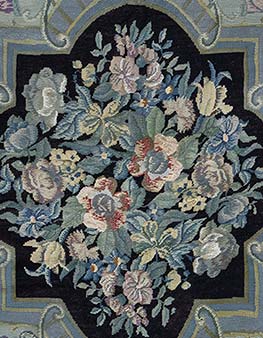
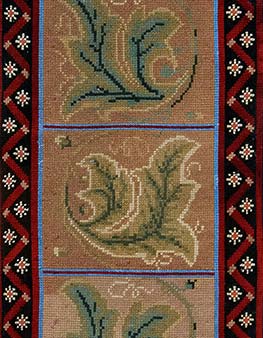
Needlepoint and needlework rugs are typically made by stitching wool yarn through a canvas foundation, often using petit point, tent stitch, or gros point techniques. Their surfaces can show dense botanical detail, latticework, cartouches, borders, medallions, or allover patterns that read almost like textile painting. English examples are especially admired for floral compositions, while French needlepoint carpets often echo the formality of Aubusson and Savonnerie designs. Portuguese and other European pieces can provide generous room sizes and softer palettes that work well in contemporary luxury interiors.
Because the structure differs from hand-knotted Persian rugs or Oriental carpets, buyers should evaluate needlework rugs with attention to stitch consistency, canvas stability, wool quality, color harmony, and prior restoration. Age also matters: antique rugs are typically 100+ years old, while many mid-20th-century pieces are more accurately described as vintage or semi-antique. In this category, circa dates, origin, material, and size help distinguish collector-level antique needlepoint carpets from later decorative rugs chosen primarily for interior design use.
Choosing Needlework Rugs for Luxury Interiors
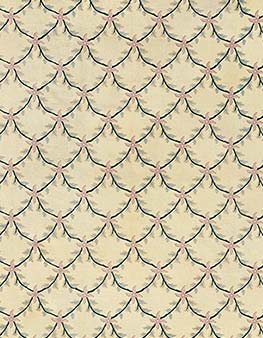
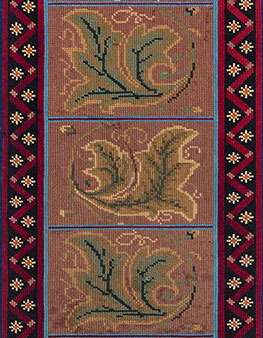
The best needlework rug is not only historically interesting; it must solve a room. A soft beige English floral carpet can quiet a formal bedroom, a slate blue square rug may anchor a library seating group, and a long antique needlework runner can add pattern to a gallery or corridor without creating excessive height underfoot. Oversized needlepoint carpets are particularly valuable for large living rooms, dining rooms, and traditional architecture where a single broad field is preferable to multiple smaller area rugs.
- Review origin, period, and stated circa date before comparing pieces.
- Measure the room and allow suitable floor border around the rug.
- Study the palette in daylight and evening lighting conditions.
- Consider pattern scale for furniture placement and traffic flow.
- Ask how condition, restoration, and canvas structure affect placement.
Curated Antique and Vintage Needlework Rugs
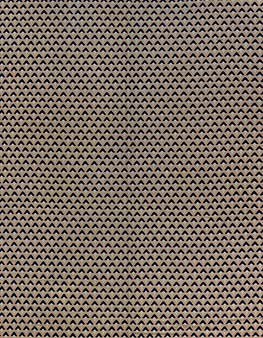
Doris Leslie Blau has sourced rare rugs from estates, auctions, dealers, and private collections since 1965, a history that is especially relevant for European needlework carpets where quality varies widely. The category includes antique English floral rugs, French needlepoint designs, Portuguese oversized wool carpets, square rugs, and narrow runners. Many pieces display soft ivory, beige, tan, green, brown, slate blue, or black grounds, making them useful for both historically informed rooms and sophisticated transitional interiors.
For projects that require a precise size, palette, or design direction, antique needlework rugs can also inspire custom made or made-to-order rugs in related decorative styles. A vintage or antique original may be the right choice when patina, provenance, and period character are priorities; a custom rug may be more practical when a designer needs exact dimensions or a newly produced textile for demanding use. This flexibility allows buyers to compare visible product information while considering the broader needs of the interior.