



Meshad Rugs and Antique Persian Mashad Carpets
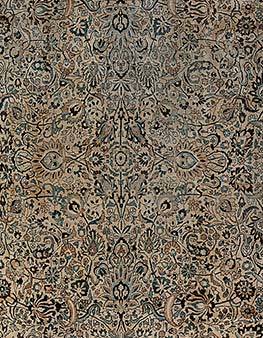
Meshad rugs occupy a distinctive place within antique Persian rugs: refined enough for formal interiors, substantial enough for large rooms, and varied enough to work in both traditional and contemporary schemes. Woven in and around Mashad, the major city of Khorassan in northeastern Iran, these carpets are admired for their elegant drawing, soft wool, saturated or time-softened color, and highly organized floral design. Many antique Meshad rugs are typically 100+ years old, while later examples can still offer exceptional decorative value when the weave, materials, condition, and palette support the room.
What Defines a Meshad Persian Rug?
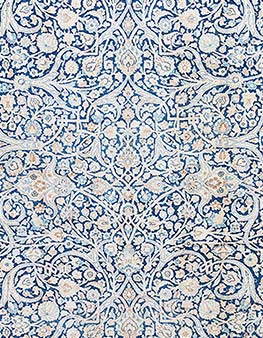
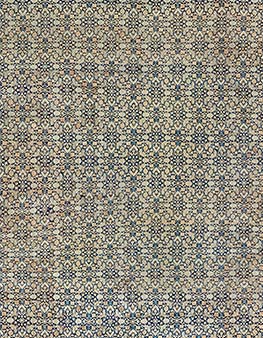
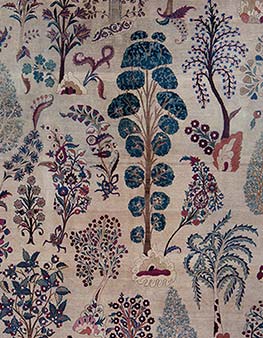
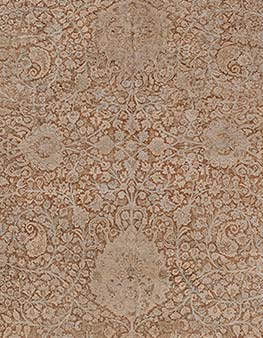
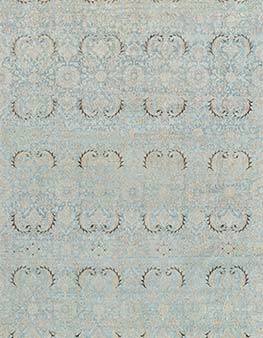
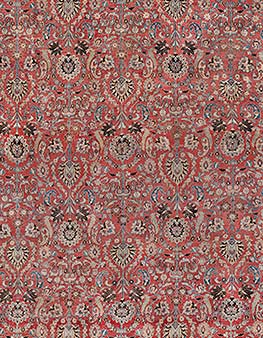
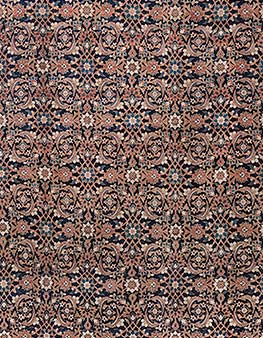
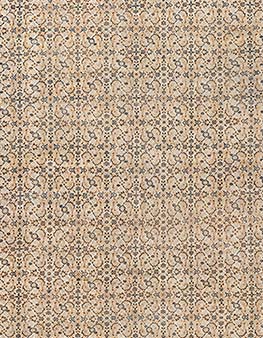
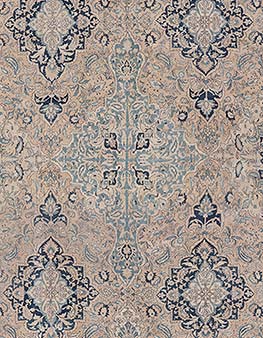
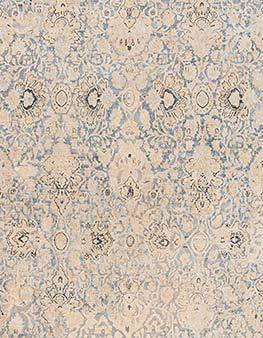
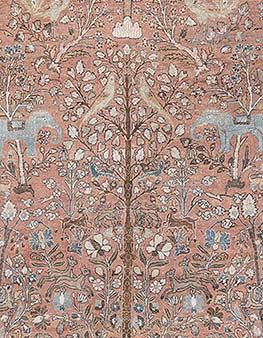
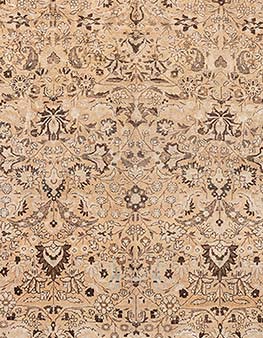
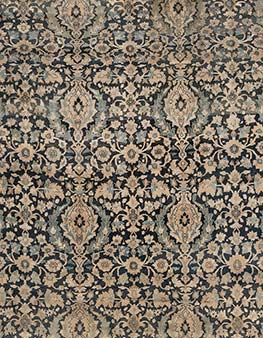
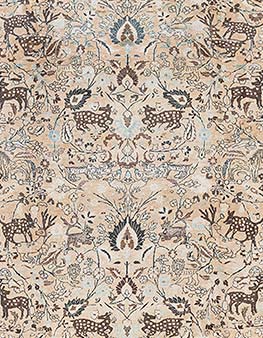
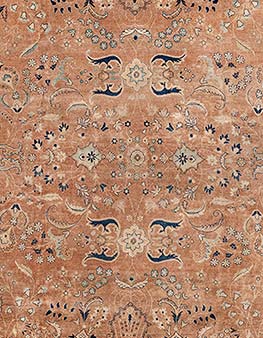
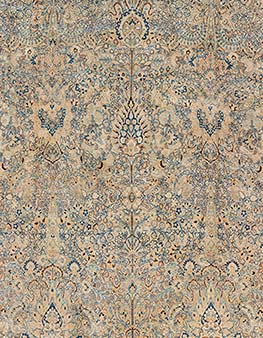
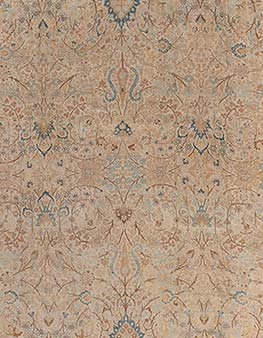
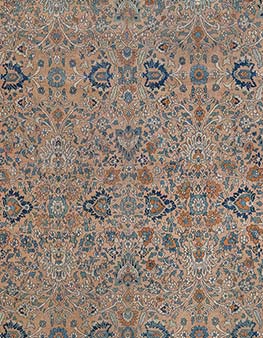
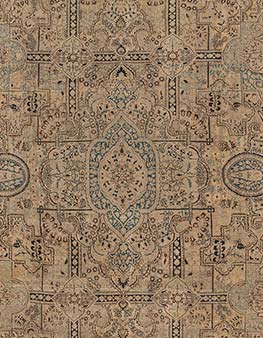
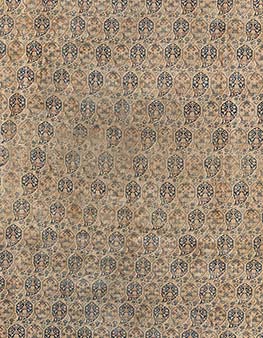
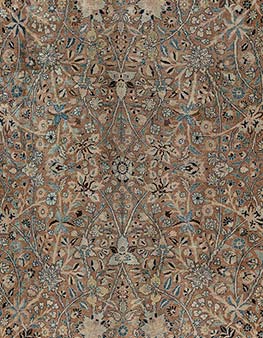
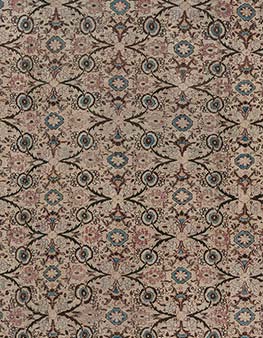
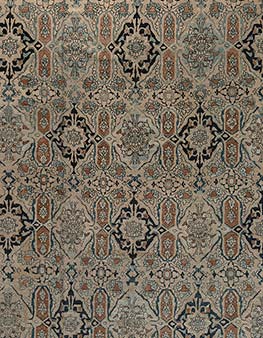
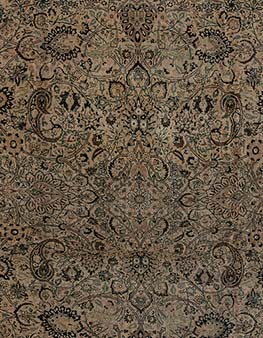
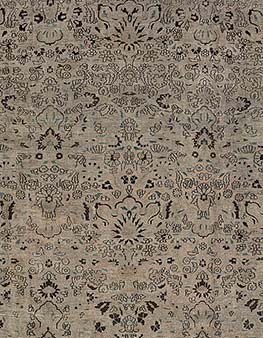
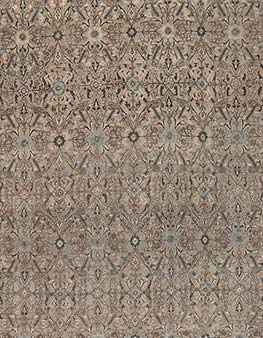
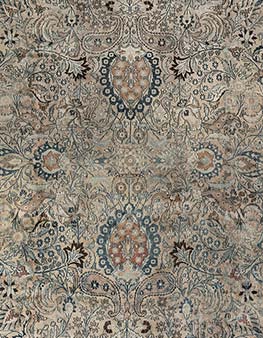
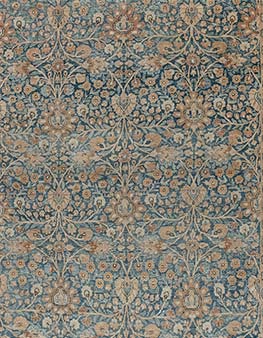
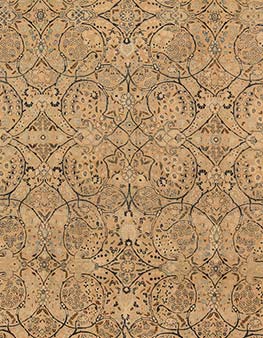
A classic Mashad rug often features a central medallion, corner ornaments, layered borders, arabesques, palmettes, and scrolling floral vines. Other examples use allover patterns that feel less formal and more adaptable for open-plan rooms, libraries, dining rooms, and bedrooms. The most traditional palettes include deep red, navy, and indigo, but the Doris Leslie Blau selection also reflects the softer tones sought by interior designers today: warm tan, light beige, ivory, pale sand, taupe, and quiet blues. These colors allow an antique Oriental carpet to introduce structure and provenance without overwhelming architectural finishes, upholstery, or art.
Construction is central to quality. Fine Meshad carpets are hand-knotted, usually in wool, with cotton foundations common in many Persian workshop rugs. Some pieces may show the discipline of established Khorassan weaving centers and, in notable cases, the individuality of named workshops or signed weavings. Buyers should look closely at the clarity of the pattern, the handle of the wool, the evenness of the field, the border proportions, and the surface patina. A softened pile, carefully restored area, or abrash can be part of the character of an antique rug, but condition should always be evaluated in relation to placement and expected use.
How to Choose the Right Meshad Rug
Because Meshad carpets were frequently woven in room-size and palace-scale formats, they are especially useful for designers searching for large antique area rugs, oversized rugs, and long runners with Persian refinement. A medallion rug can anchor a seating plan or dining table, while an allover Meshad pattern may be easier to place beneath furniture because the design does not depend on a single focal point. For modern interiors, the strongest choices often balance historical detail with restrained color: a pale wool field, a softened floral repeat, or a wide border that frames the room without feeling heavy.
- Confirm dimensions against furniture plans, door swings, and circulation paths.
- Compare allover and medallion layouts for the intended room use.
- Review age, origin, weave, wool quality, restoration, and surface condition.
- Choose palette by daylight, wall color, flooring, and upholstery tones.
- Consider runners or oversized Meshad carpets for halls and large rooms.
Curated Meshad Rugs at Doris Leslie Blau
Doris Leslie Blau has sourced antique rugs directly from estates, auctions, dealers, and private collections since 1965, giving designers and collectors access to Persian carpets selected for beauty, authenticity, and interior design relevance. The Meshad category includes decorative hand-knotted wool rugs with visible pricing, detailed sizes, and a range of formats suited to luxury residences, galleries, hospitality projects, and historic homes. When an antique Meshad rug does not meet an exact specification, made-to-order and custom made rug options can be considered separately for projects requiring precise scale, color, or durability while preserving the spirit of fine Persian design.